

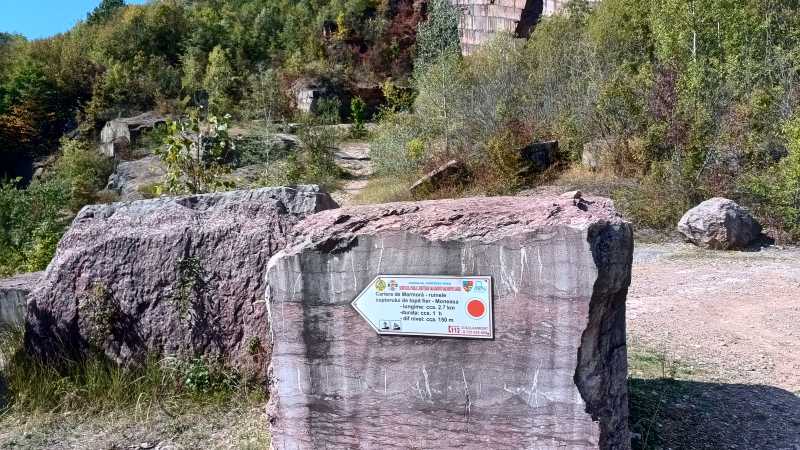
The route to the former marble quarry in Moneasa has become one of the resort's most visited trails in recent years, prompting the local administration to plan a series of improvements aimed at expanding the tourist offering, commune mayor Doru Miron told AGERPRES on Wednesday.
Moneasa Town Hall wants to take over part of the land on which the former extraction site operated in order to redesign and equip the entire area.
The route to the former marble quarry has become one of the most visited trails in Moneasa in recent years, which is why we want to make some improvements. At present, the Town Hall does not own all the land along this route, but only around three hectares in the area of the marble blocks. We have carried out talks with the company that operated the quarry and want to take over some of its land in order to create a more attractive route for visitors. We would like to install benches or gazebos, rest areas or viewpoints from which visitors can admire the scenery,' Doru Miron said.
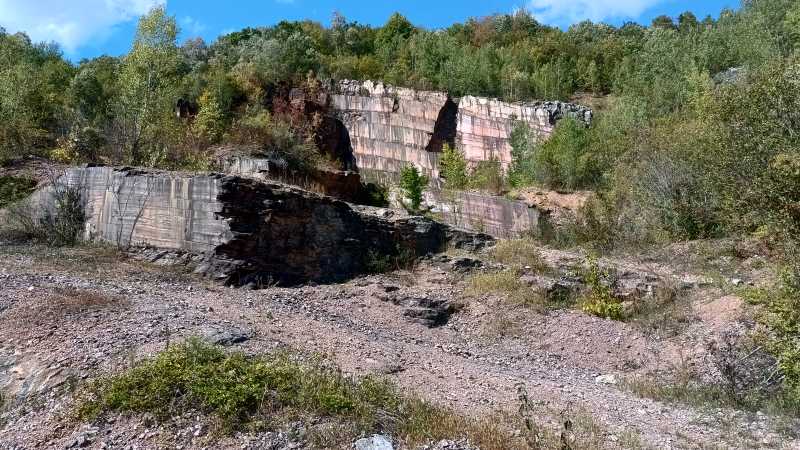
The local administration is also considering a project aimed at outdoor sports enthusiasts, involving the development of a climbing route on the massive marble blocks left at the site.
The tourist offering in the area could also be complemented by a new speleological attraction.
'What is less well known is that there is a cave above these marble blocks which could become a new attraction with minimal improvements,' the Moneasa mayor added.
Interest in the former quarry, historically known for its special reserves of red and black marble, has grown since the Belvedere area was developed several years ago, offering tourists a panoramic view of the resort from above. The distance from this point to the former quarry is several hundred metres.
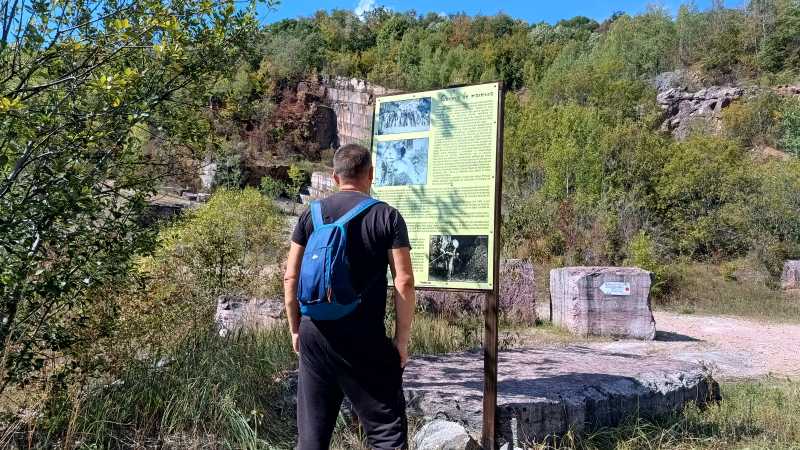
'Thousands of tourists go to the marble quarry and most choose to walk there because the route offers very beautiful scenery,' the mayor said.
To facilitate access for all categories of visitors, the local administration has also introduced a tourist train that departs from the centre of the resort and stops right at the foot of the marble blocks.
'The Moneasa quarry is a true open-air geology laboratory. What we call 'marble' in commercial terms is, from a petrographic standpoint, massive limestone, with a purity and colour palette that are rare in the western part of the country. The spectacular shades of red and black are due to the presence of iron oxides and organic matter deposited over millions of years. Today, the former site offers a spectacular karst landscape, making it an excellent location for educational tourism and geotourism,' geography teacher Ovidiu Torz told AGERPRES.
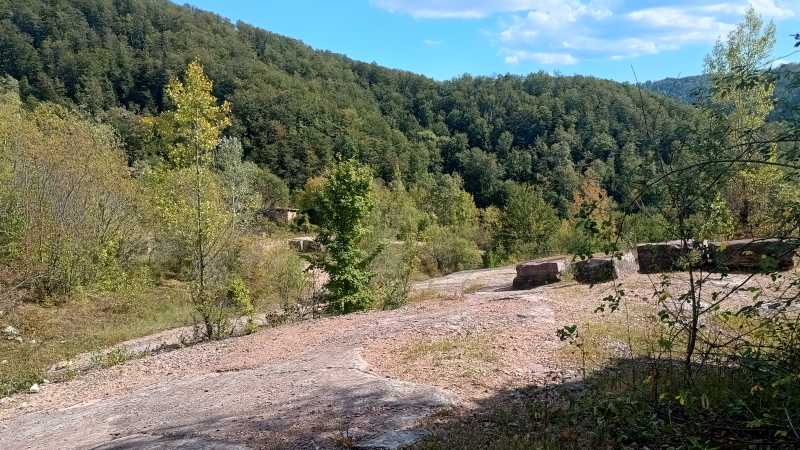
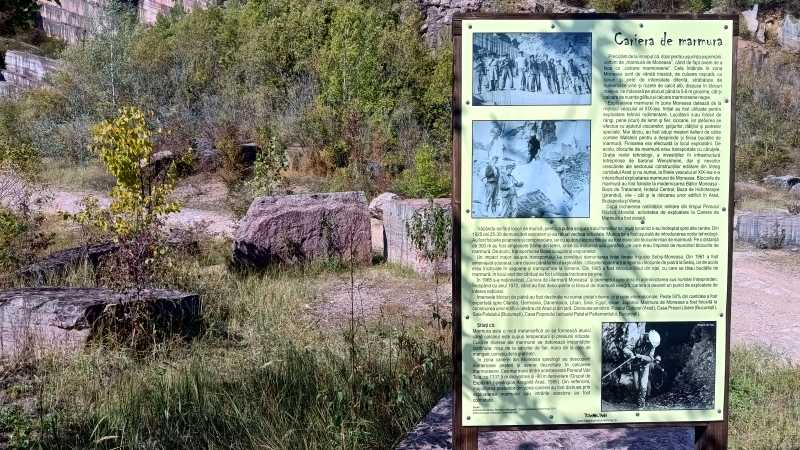
According to the tourist information board in Moneasa, marble extraction in the Codru-Moma Mountains dates back to the mid-19th century and the huge stone blocks were destined not only for the domestic market but also for international markets. More than 50% of the output was exported to the Netherlands, Germany, Denmark, Lebanon, Syria, Egypt, Israel and Japan.
Moneasa marble was used to finish a number of important buildings, including the Arad Cultural Palace, the Casa Presei Libere (Free Press House) in Bucharest and the Palace of Parliament.
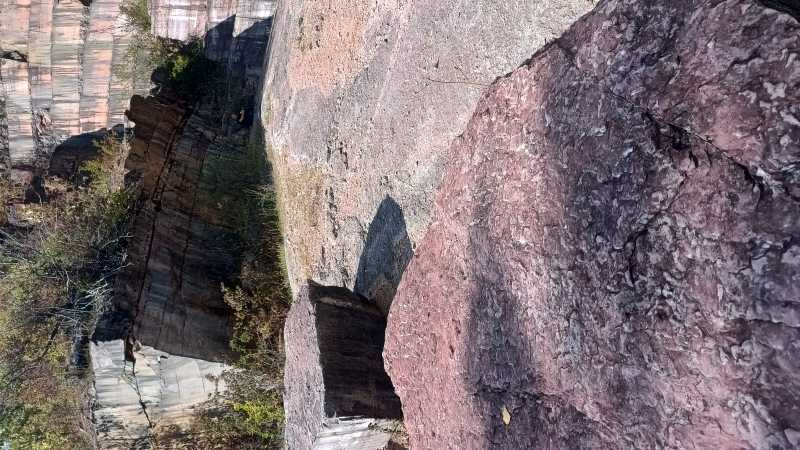
Extraction of red and black crystalline limestone was halted in the 2000s, when the privatised deposit was placed under conservation and closed. AGERPRES (RO - writing by: Marian Buga; EN - writing by: Adina Panaitescu)
Photos: Marian Buga/AGERPRES
Display count: 95- Category: English
- Date: 2026-09-30 12:42:14
- Foto: Marian Buga/AGERPRES