
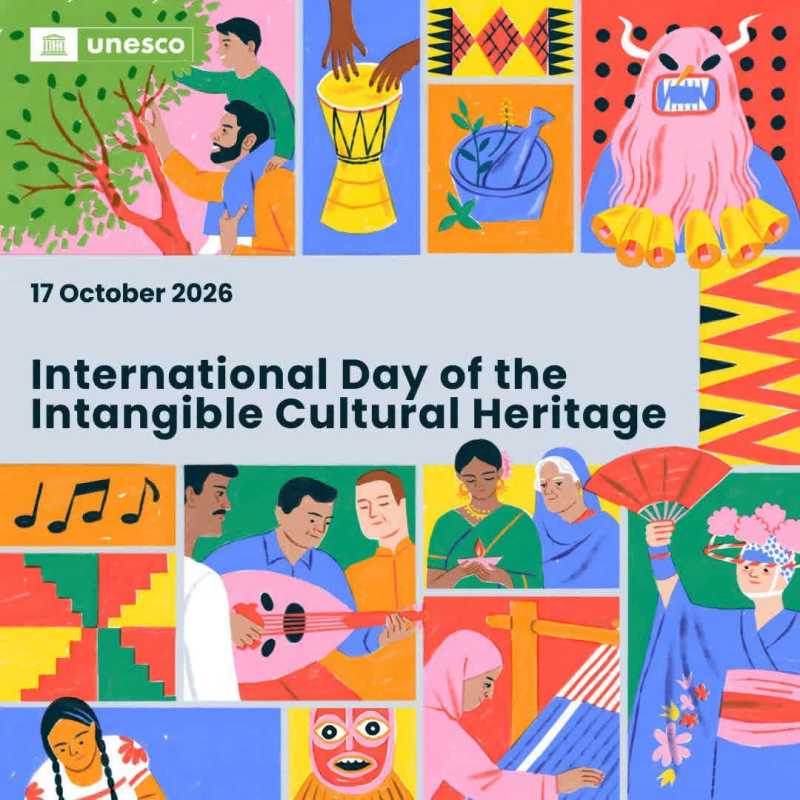
Romania's Ministry of Culture marked the International Day of the Intangible Cultural Heritage on Saturday by highlighting the people whose knowledge and skills are essential to preserving and passing down the traditions and practices that shape the country's cultural identity.
'Proclaimed by UNESCO's General Conference in November 2023 and first celebrated in 2024, this day has a clear purpose: to raise awareness of the diversity and value of intangible cultural heritage and the need to protect it. The date commemorates the adoption of the UNESCO Convention for the Safeguarding of the Intangible Cultural Heritage on 17 October 2003. For Romania, which this year marked seven decades since joining UNESCO, the 11 elements inscribed on the Representative List of the Intangible Cultural Heritage of Humanity entail responsibilities towards the communities that practise them,' the ministry said in a message posted on Facebook on Saturday.
Romania's participation in multinational nomination files seeking to extend the inscription of 'Transhumance, the seasonal droving of livestock' and to inscribe 'Traditional techniques of yogurt making and related social practices', both currently under evaluation, are among the initiatives highlighting the importance of safeguarding this heritage, the ministry said.
Another milestone is the approaching tenth anniversary of the inscription of 'Traditional wall-carpet craftsmanship in Romania and the Republic of Moldova', through a joint nomination submitted by the two countries.
Cooperation between museums, researchers and specialists working directly with craftspeople and communities remains essential. Research, exhibitions, educational activities and projects that bring the public closer to these practices and to the people who preserve and transmit them continue to be priorities.
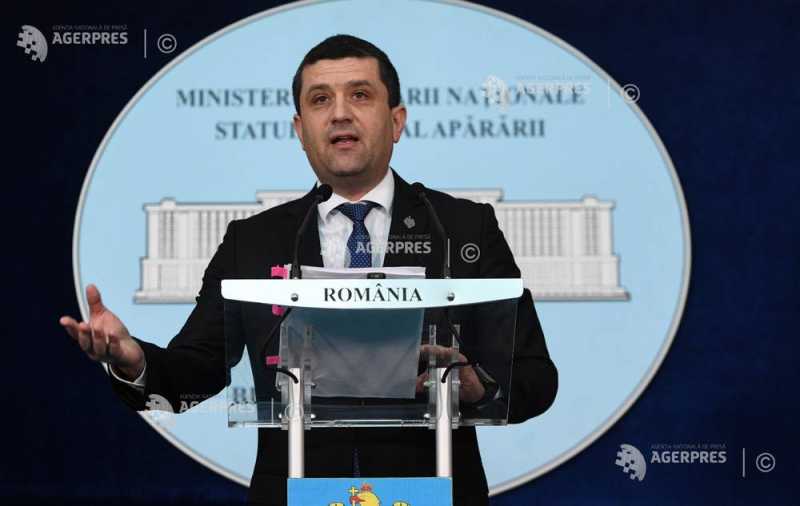
'The Ministry of Culture values the contribution and experience of heritage bearers, whose skills are indispensable to understanding living culture. Their knowledge, the ways in which they apply it today and share it with those interested provide essential guidance for any safeguarding effort. We thank them for their work and their willingness to share what they know,' interim Culture Minister Demeter Andras Istvan said.
'Happy Intangible Cultural Heritage Day to our living heritage and to everyone who carries it forward! May you have the joy of finding people eager to learn from you and the support you need to continue what you do with such skill and care,' the ministry added.
The International Day of the Intangible Cultural Heritage is observed worldwide on 17 October each year, celebrating and promoting the protection of traditions, crafts, artistic expressions and customs that help define the cultural identity of peoples, according to the Romanian National Commission for UNESCO (www.cnr-unesco.ro).
The concept of intangible cultural heritage gained formal recognition worldwide through the UNESCO Convention for the Safeguarding of the Intangible Cultural Heritage, adopted in Paris on 17 October 2003.
The convention was designed to complement the 1972 World Heritage Convention, which focused primarily on tangible heritage, including monuments and historical and natural sites.
Romania approved the convention through Law No. 410 of 29 December 2005 and deposited its instrument of ratification on 20 January 2006, paving the way for Romanian intangible cultural heritage elements to be inscribed on UNESCO's Representative List of the Intangible Cultural Heritage of Humanity, one of the main mechanisms for implementing the convention.
Romania currently has 11 elements inscribed on the Representative List of the Intangible Cultural Heritage of Humanity: 'Calus ritual' (2008); 'Doina' (2009); 'Craftsmanship of Horezu ceramics' (2012); 'Men's group Colindat, Christmas-time ritual' (2013, jointly with the Republic of Moldova); 'Lad's dances in Romania' (2015); 'Traditional wall-carpet craftsmanship in Romania and the Republic of Moldova' (2016); 'Cultural practices associated to the 1st of March' (2017, jointly with the Republic of Moldova, Bulgaria and North Macedonia); 'The art of the traditional blouse with embroidery on the shoulder (altita) - an element of cultural identity in Romania and the Republic of Moldova' (2022); 'Lipizzan horse breeding traditions' (2022, a multinational nomination involving Austria, Bosnia and Herzegovina, Croatia, Hungary, Italy, Romania, Slovakia and Slovenia); 'Transhumance, the seasonal droving of livestock' (2023); 'Cobza, traditional knowledge, skills and music' (2025, jointly with the Republic of Moldova). AGERPRES (RO - writing by: Livia Popescu; EN - writing by: Simona Iacob)
- Category: English
- Date: 2026-10-17 17:07:48
- Foto: Facebook.com