

The interim Minister of Finance, Alexandru Nazare, participates on Friday and Saturday in the informal meeting of the Economic and Financial Affairs Council (ECOFIN), where discussions will also take place regarding the importance of completing the negotiations on the revision of Romania's National Recovery and Resilience Plan, in order to secure the grant component that remains to be attracted and to concentrate European resources on investments with a major impact on the economy and competitiveness.
According to a press release from the relevant ministry, the informal ECOFIN meeting takes place in an important context for Romania, marked by three major themes: fiscal consolidation, the use of European funds and the financing of strategic investments.
'Participation in ECOFIN takes place at a time when Romania must demonstrate that it can do three things at the same time: reduce the deficit, protect investments and make full use of the available European money, while transmitting signals of confidence and stability to external partners. The European Commission's spring forecast clearly shows that the economy needs well-targeted investments and reforms to support the recovery. At the same time, the SAFE agreement signed yesterday, worth 16.68 billion euros, is a major opportunity for defense, strategic infrastructure and competitiveness. The ECOFIN agenda is heading exactly in this direction: European competitiveness, financing common priorities, energy, investments, the single market and the new risks in the digital financial area,' declared Alexandru Nazare, quoted in the press release.
The interim minister emphasized that Romania has clear interests in this debate, from energy interconnections and strategic infrastructure, to defense, European funds and European rules that do not affect the competitiveness of Eastern European economies.
'For Romania, European funds represent the main engine of investment and economic development during this period. The capacity to fully absorb the resources available through the PNRR, the Cohesion Policy and the new European instruments will directly influence the pace of infrastructure modernization, the competitiveness of the economy and the growth potential in the coming years. But in order to firmly support these positions, Romania must come to the European table with seriousness, predictability and fiscal credibility', he said,
According to the European Commission's spring forecast, Romania's economy needs well-targeted investments and reforms to support economic recovery, in parallel with the gradual reduction of the budget deficit.
At the same time, the European Commission signed the SAFE agreement with Romania, through which our country will have access to 16.68 billion euros for defense and strategic infrastructure. The SAFE instrument represents one of the most important sources of European financing for projects with a direct impact on Romania's security, competitiveness and connectivity.
Another important file is the PNRR. After the approval of payment request number 4, the degree of implementation of the Plan exceeded 60%, and Romania still has to attract approximately 10 billion euros through payment requests 5 and 6, both grants and loans.
In the coming period, discussions with the European Commission on the final form of the PNRR are essential for establishing the projects that remain financed through grants, those that will be supported through the loan component, and the reforms that must be completed by the end of August, the press release states.
These topics are directly linked to the agenda of the ECOFIN meeting in Nicosia, where Finance Ministers will discuss the long-term competitiveness of the European Union, the financing capacity of common priorities, energy, investment, the single market and the risks associated with new digital financial instruments.
On the agenda of the interim Minister of Finance on Friday is participation in the informal ECOFIN meeting, under the Cypriot Presidency of the EU Council; discussions on the economic competitiveness of the European Union and the resilience of the European economy in the current geopolitical context; debate on the consolidation of the Single Market; discussions on the accessibility of energy prices, energy interconnections and the infrastructure needs of the Central and Eastern European states.
On Saturday, the program includes discussions on the EU's new economic governance framework, fiscal discipline and investment space; a debate on common EU financing instruments, including in areas such as defense, energy interconnections and critical raw materials supply chains; and a joint session of finance ministers and central bank governors on the role of stablecoins in international payment systems.
The meeting will also include discussions on the status of implementation and modification of the national PNRRs, including the importance of completing negotiations on the revision of Romania's National Recovery and Resilience Plan, in order to secure the remaining grant component and to concentrate European resources on investments with a major impact on the economy and competitiveness.
The event bringing together the Finance Ministers of the EU member states takes place between May 22 and 23, in Nicosia, Cyprus, under the Cypriot Presidency of the Council of the European Union.AGERPRES (RO - writing by: Oana Tilica, editing by: Andreea Marinescu; EN - writing by: Catalin Cristian Trandafir)
Nazare: EC's spring forecast shows that economy needs well-targeted investments and reforms to support recovery
Timp de citire: 4 minute
Alte știri din categorie
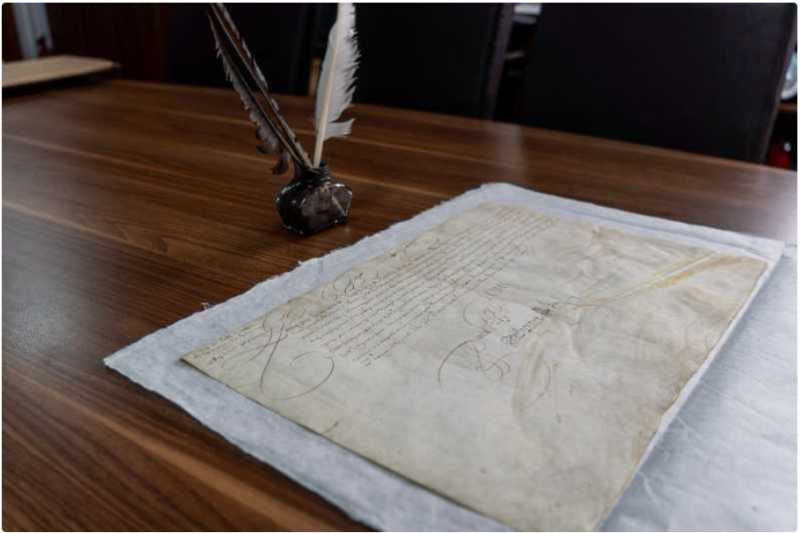
Rare parchment signed by French King Louis XIII enters Dambovita County Library's collection
A rare document signed by King Louis XIII of France has recently entered the collection of the 'Ion Heliade Radulescu' Dambovita County Library, an acquisition the institution considers one of its most valuable in recent years, head of the library's Public Relations Service Alexa
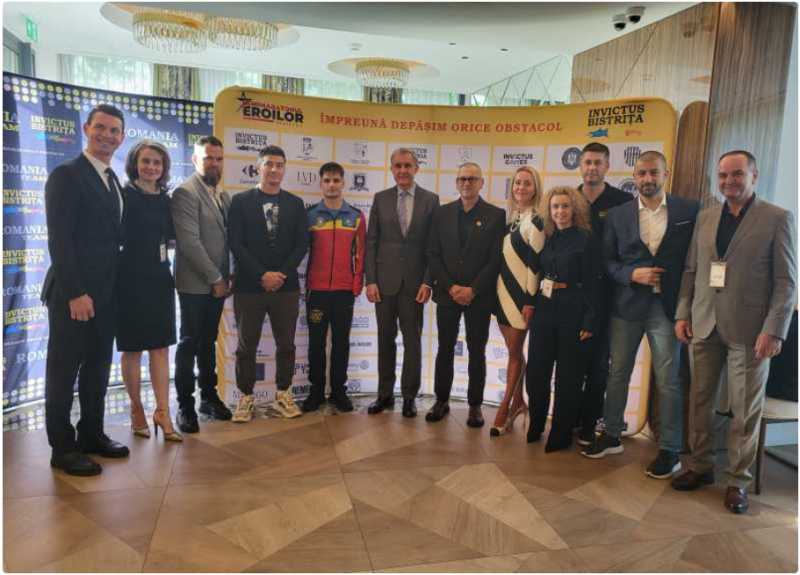
Prince Radu meets with organisers and sponsors of Invictus Heroes Half Marathon in Bistrita
Prince Radu took part on Friday evening, in Bistrita, in a meeting with the organisers and sponsors of the Invictus Heroes Half Marathon, now in its fourth edition and scheduled for 23 May. His Royal Highness said he felt 'lucky' to attend the event and believes that the thous

Long Night of Museums: Central University Library offers guided tours, spotlight on great boyar families
As part of the Long Night of Museums, the 'Carol I' Central University Library will open its doors to the public on Saturday from 19:00 to midnight, offering Romanian- and English-language guided tours and a journey into the history of Romania's great boyar families, the institut
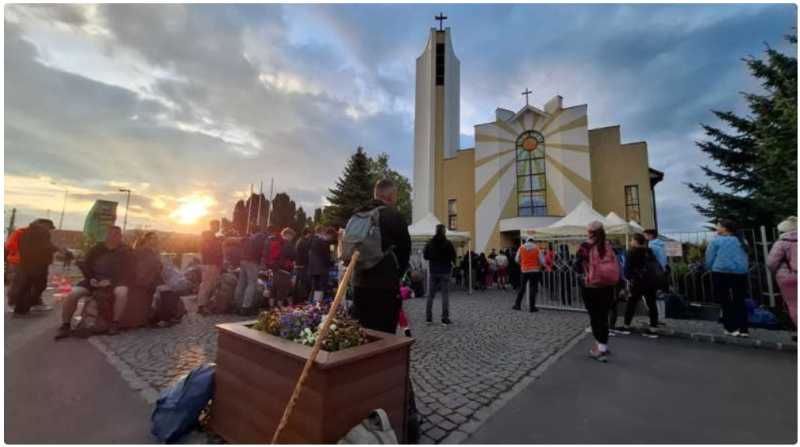
FEATURE STORY/Thousands of Romanian, foreign pilgrims travel the Way of Faith to Sumuleu Ciuc Pentecost gathering
Pilgrims from Romania and abroad are streaming into Miercurea-Ciuc ahead of Saturday's Sumuleu Ciuc Pentecost pilgrimage - considered the largest Catholic procession of its kind in Central and Eastern Europe. Many have been on the road for days, some for weeks, and describe the j
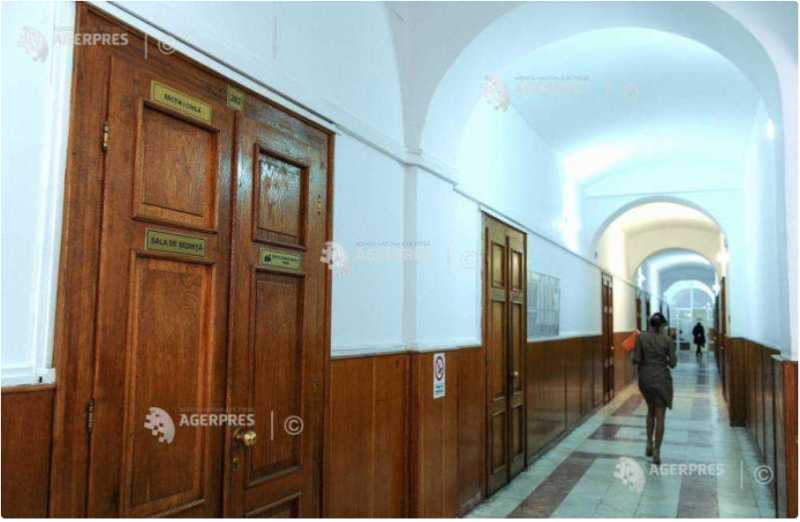
Botosani Tribunal rejects action against University of Bucharest regarding studies of President Nicusor Dan
The Botosani Tribunal rejected, on Friday, as unfounded, an action by former judge Lăcramioara Axinte, who asked the University of Bucharest to make public information regarding President Nicusor Dan's studies. The action against the University of Bucharest was opened in Febru
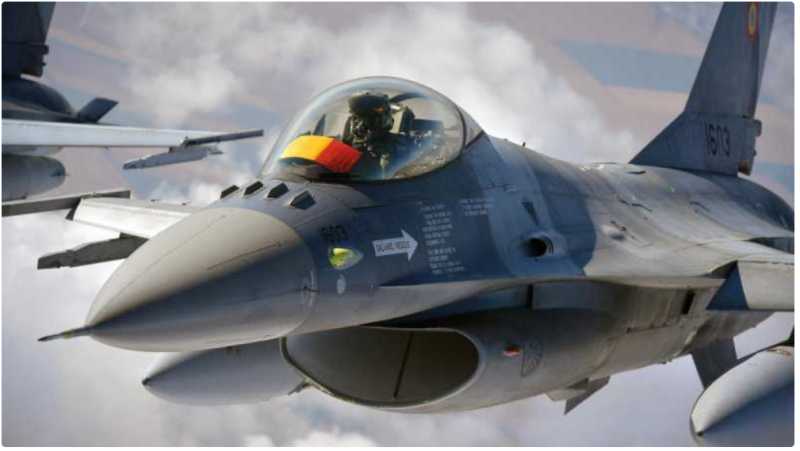
Romanian Air Force pilot awarded after downing drone in Estonia
The Romanian Air Force pilot who shot down a drone that entered Estonian airspace was decorated by the leadership of the Ministry of National Defense with the 'Envoy for Peace' Emblem, 1st Class, during a working visit to the Siauliai Air Base in Lithuania, where the Carpathian V
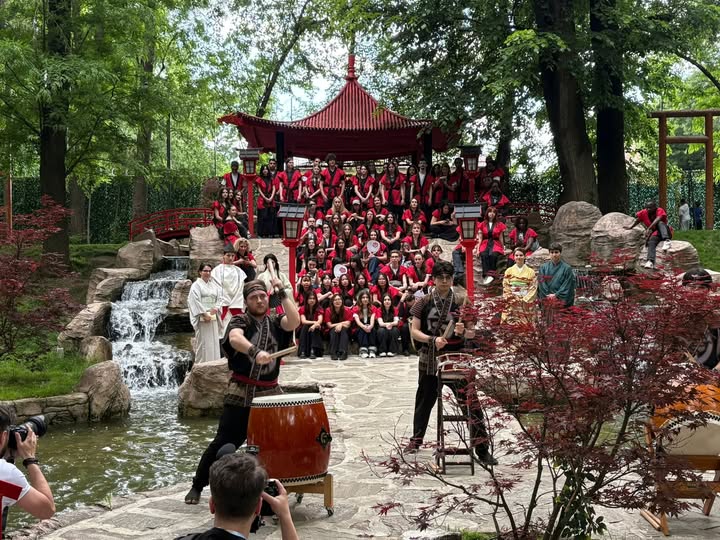
Craiova International Shakespeare Festival 2026 opens with Japan-themed events
The International Shakespeare Festival, organised by the 'Marin Sorescu' National Theatre and the Shakespeare Foundation, opened on Thursday evening in Craiova with a series of events dedicated to Japan, marking the start of the 21- 31 May edition. Speaking at the official openin
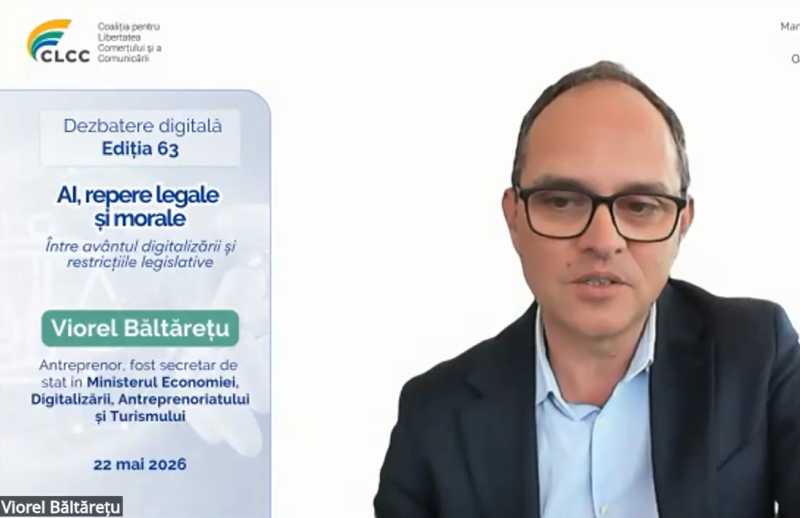
Only 5.2% of companies in Romania use AI, compared to European average of 20% (entrepreneur)
Only 5.2% of companies in Romania currently use technologies based on artificial intelligence (AI), compared to a European average of about 20%, while 66% of Romanian SMEs say they want to adopt such solutions, said Viorel Baltaretu, entrepreneur and former secretary of state in