
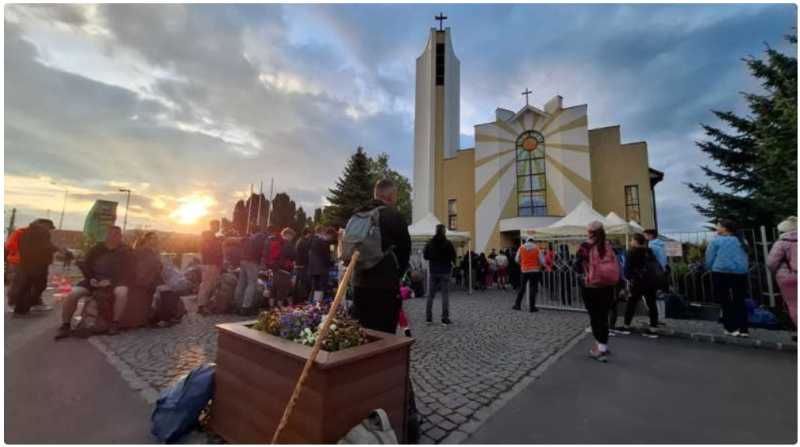
Pilgrims from Romania and abroad are streaming into Miercurea-Ciuc ahead of Saturday's Sumuleu Ciuc Pentecost pilgrimage - considered the largest Catholic procession of its kind in Central and Eastern Europe. Many have been on the road for days, some for weeks, and describe the journey as far more than a physical effort.
Groups arrive on foot, on horseback or by organised transport, but all speak of the same inner drive. 'We come because the Virgin Mary is waiting for us,' says Balázs József, the painter from Joseni who has led his community for more than 30 years. 'We come to give thanks and to ask for a little help for our lives and for those at home,' he adds.
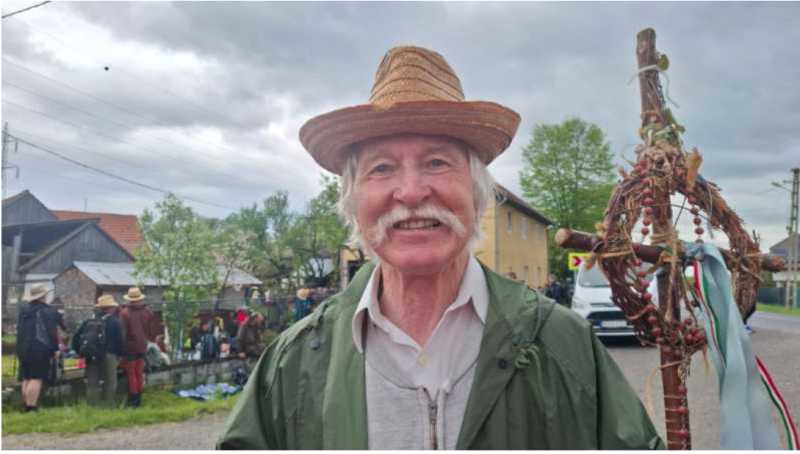
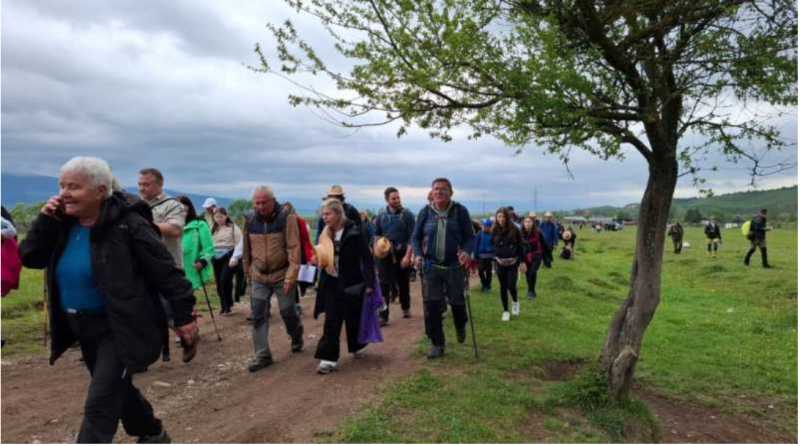
Over 400 pilgrims, including more than 100 children, walked this year the traditional 50-kilometre route over two days, praying and singing as their ancestors did centuries ago.
Among the walkers is a man from Canada, originally from Oradea, who calls the journey both a challenge and a moment of deep fulfillment. A pilgrim from Bucharest confesses the long hours of travel bring a peace you don't find in daily life.
On Friday morning, nearly 900 people set out from Odorheiu Secuiesc, saying the pilgrimage brings them, first of all, inner peace. Others have come from Mures, Covasna, and even Vojvodina in Serbia. They will be joined by pilgrims who have spent weeks on the Via Mariae, covering more than 1,000 kilometres from Mariazell, Austria, to reach Harghita.
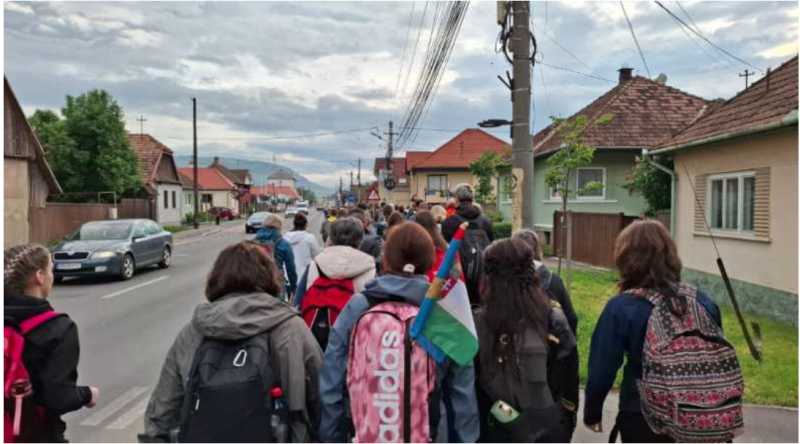
The rain in recent days has not discouraged anyone. Along the way, groups stop at churches for blessings, while locals and small businesses offer water and snacks. About 400 horseback pilgrims are also on the move - a tradition linked to the 1949 Pentecost pilgrimage, when young riders protected Bishop Márton Áron from arrest by the communist authorities. They carry ribbons inscribed with the prayers of those who cannot attend.
Hundreds more arrive from Hungary on a special pilgrimage train, greeted by locals along the route. The event is expected to draw large crowds, including Hungary's President Sulyok Tamás and former President Áder János.
Authorities and Franciscan organisers have been preparing for weeks. The roads used by pilgrims are closed to traffic, dedicated parking areas have been set up, and only emergency vehicles may enter the zone. Street commerce is restricted to pilgrimage-related goods. Hundreds of gendarmes, police officers, firefighters and medical teams are deployed, while the county hospital has issued safety recommendations and urged pilgrims to locate first-aid points in advance.
This year's motto, inspired by Saint Maximus, is: 'Christ is the first to be baptized, then, so that Christians will follow after Him with confidence.'
The opening service takes place Friday evening, followed by Saturday's solemn Mass at 12:30, celebrated in the saddle between the Sumuleu hills. The homily will be delivered by Bishop Székely János, president of the Catholic Bishops' Conference of Hungary.
Franciscan Rector Timár Sándor Asztrik urges pilgrims to 'come with open hearts and empty hands', ready to receive spiritual gifts. Miercurea Ciuc mayor Korodi Attila calls on participants to look after one another and respect safety rules so the pilgrimage remains a true moment of joy.
The Sumuleu Ciuc pilgrimage has been held for nearly 460 years, centred on the miracle-working statue of the Virgin Mary in the Franciscan church. According to tradition, in 1567 the statue protected local Catholics from forced conversion under Prince John Sigismund. Since then, Catholics - many of Hungarian origin - have gathered here every Pentecost.
On June 1, 2019, Pope Francis visited the Marian shrine in Sumuleu Ciuc, marking the first time since World War II that the statue was carried outside the church. AGERPRES (RO - writing by: Gina Stefan; EN - writing by: Simona Klodnischi)