
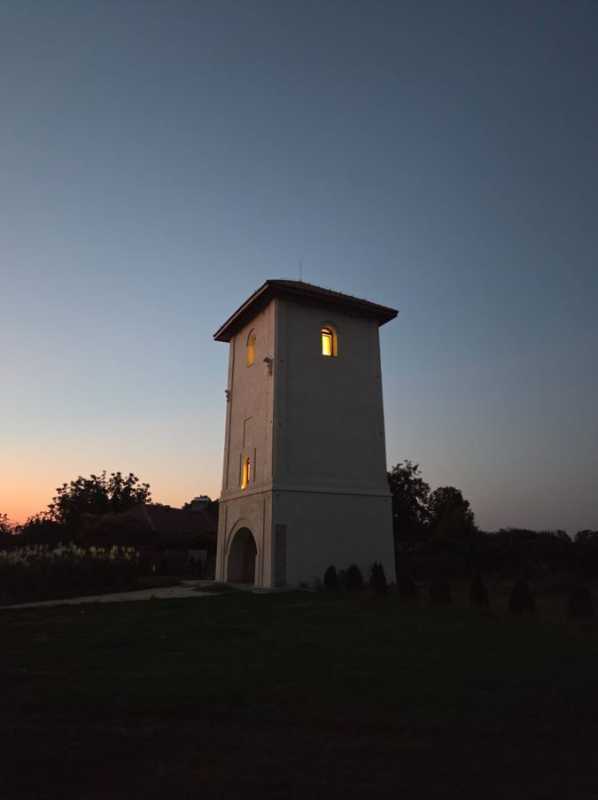
The medieval tower in Hotarani, in Farcasele commune, built around 500 years ago as a watch and observation post, has been consolidated and restored through a 1 million-euro project funded under the National Recovery and Resilience Plan (PNRR) and will be introduced in the tourist circuit, according to Mayor Leon - Viorel Vladu.
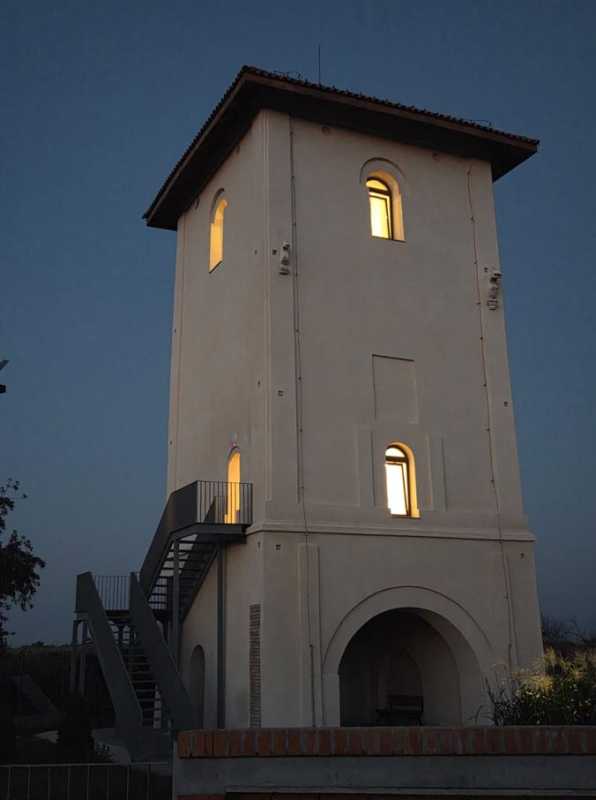
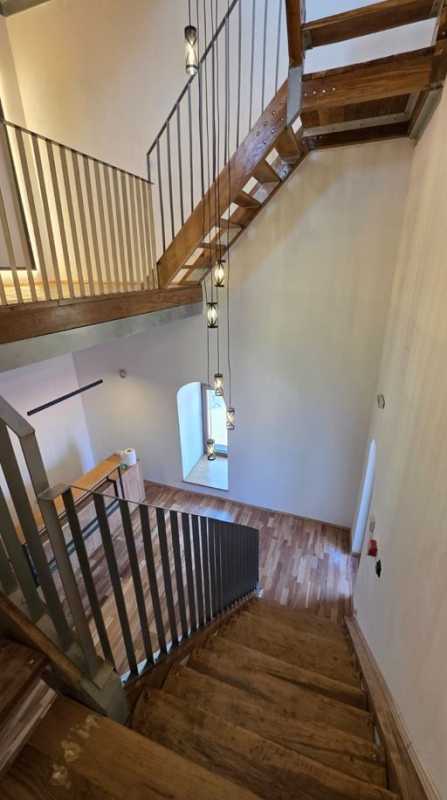
Following the completion of the consolidation and restoration works this year, the local authorities are now putting the finishing touches to the interior, installing information panels and exhibits about the history and culture of the area, so that visitors can access as much information as possible about the tower and its surroundings, Leon - Viorel Vladu told AGERPRES.
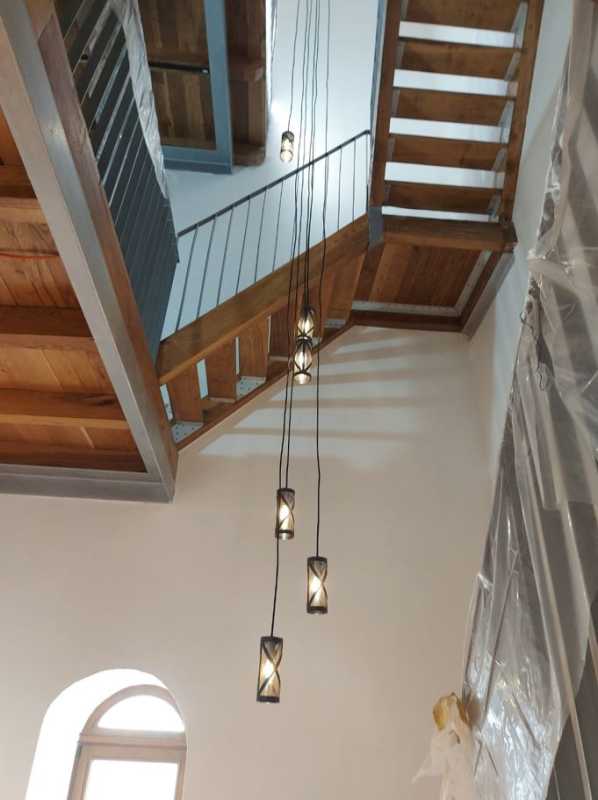
The tower will be fit to host exhibitions, book launches, conferences, craft workshops and various educational, social or cultural activities. Astronomical telescopes have also been installed in the tower for observations, while the exhibits include replicas of objects discovered during archaeological research in the area.
'We are now at the stage of equipping it inside with information materials and exhibits, with panels containing local historical information. These installations will also be completed by October and the tower will be opened to the public. It will become part of a tourist circuit, in fact several circuits, first along the route of the fortified manor houses in Oltenia and then along other historical routes together with attractions in Caracal, Corabia and other localities in the county that have tourist and historical sites. We have a rich collection of objects found right in the tower's courtyard by archaeologist Marin Nica. We have some remarkable objects, but we will display replicas made by craftsman Ionel Cococi from Vadastra because the original pieces are in specialised museums across the country, in Oltenia and elsewhere. For example, we have a vessel lid dating back 4,500 years which bears what appear to be forms of writing, as interpreted by archaeologists, who say it may be the oldest form of writing discovered in southern Romania,' the mayor said.
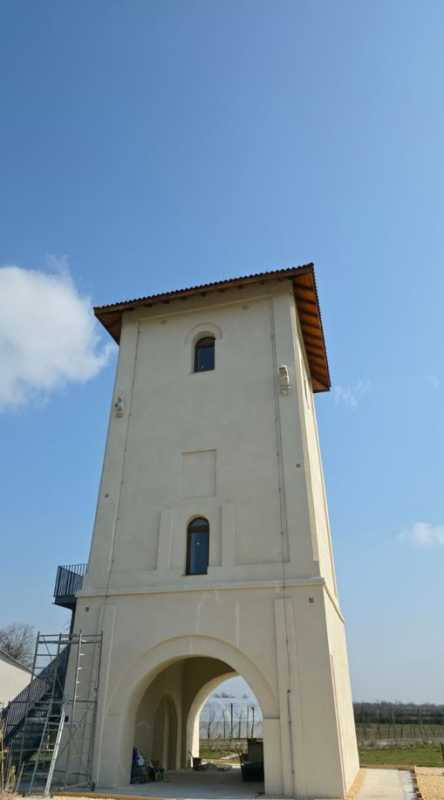
Mayor Vladu considers the successful restoration of the medieval tower in Hotarani a 'miracle,' given that until 2019 the building was visibly deteriorating year after year and official records did not list it as being in the inventory of any institution or authority.
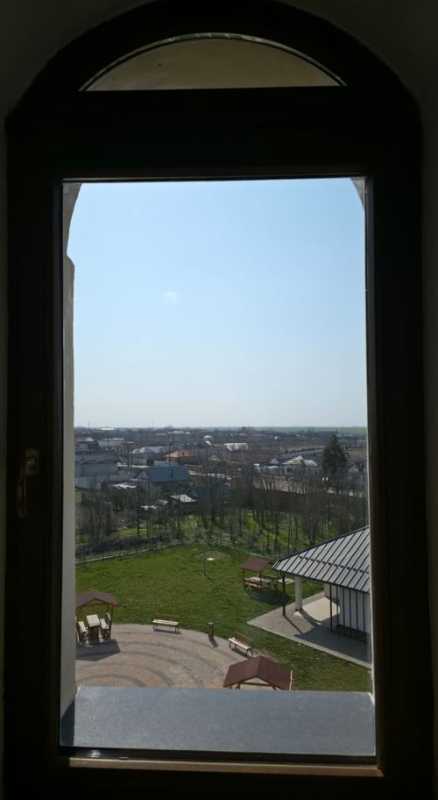
'It was all... a coincidence and, I don't know... perhaps divine intervention that allowed this miracle with the tower to happen. It wasn't even ours, more precisely, it did not appear to be under our administration. Until 2019, when I became mayor, it was in a very advanced state of deterioration, with the roof completely ruined and water coming through it. Initially, the idea was to build an events hall and we had nowhere else to do it but in the area around the tower, where there was an open space of around 3,000 square metres. There was plenty of room, but it was completely undeveloped, just weeds, and horses were sheltering underneath the tower,' Mayor Leon - Viorel Vladu said.
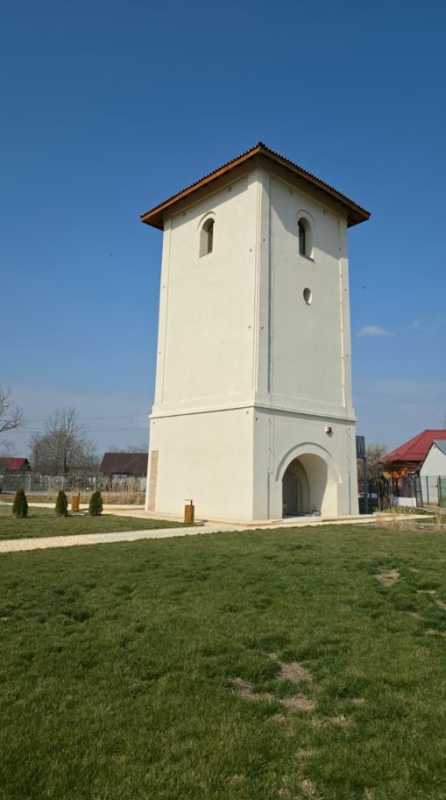
The first steps towards putting the tower to use began in connection with another project by the local administration, an events hall whose construction required archaeological clearance.
'We decided to build a small events hall there, in the area around the tower. That was also when we began the steps towards making the tower an asset, after the archaeological clearance had been carried out so that we could build the events hall,' the mayor explained.
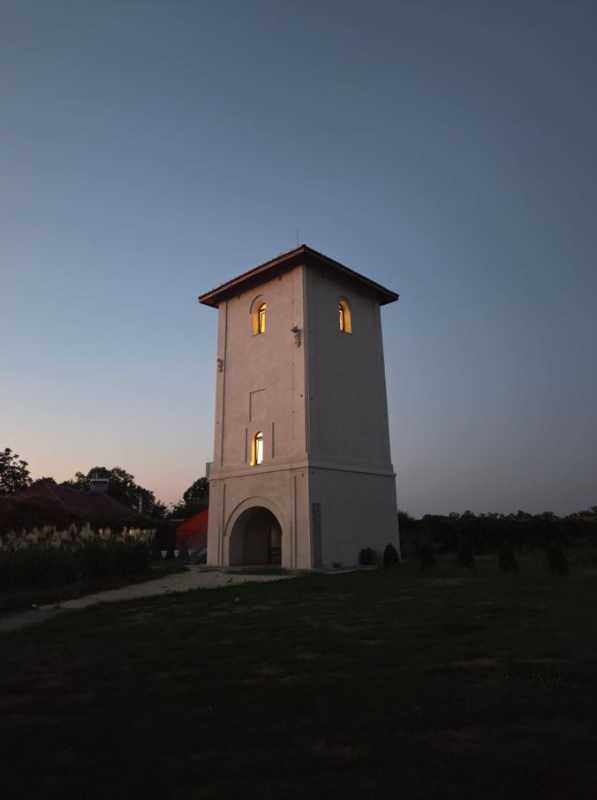
After the hall was completed, the local authorities decided to intervene on the monument as well, but this first required clarifying the legal status of the building.
'In order to intervene, we had to establish who owned it, but it did not belong to the County Council, it did not belong to the cultural institutions and it was not under the Religious Affairs authorities. We found that the law stipulated that if such sites were not already included in the inventory of an institution or authority, they belonged to the locality in whose administrative area they were situated,' Leon - Viorel Vladu said.
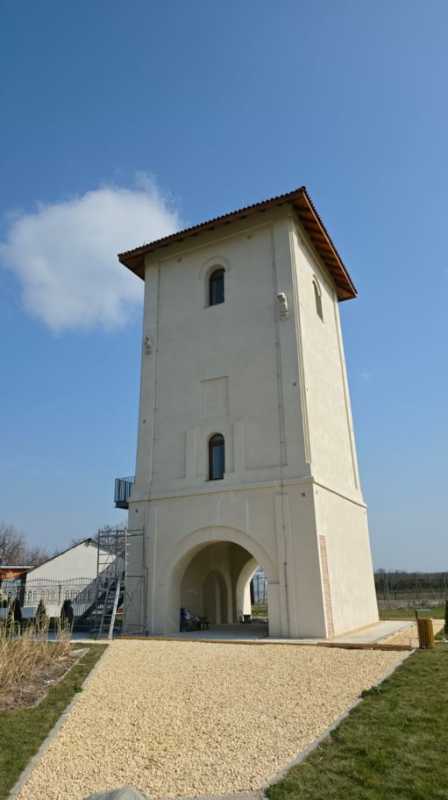
The initial interventions were aimed at halting the deterioration by repairing the roof and enclosing the site.
'We were able to intervene fairly quickly and stop the deterioration by repairing the roof, using a company authorised and specialised in monument restoration. We then put up a fence so that animals could no longer get in. We were fortunate to work on the roof with a very good architect specialising in monuments, who also prepared the plans for the strengthening and restoration because we were determined to restore it,' the mayor said.
Funding for the medieval tower's works through the PNRR enabled the local administration to carry out all the necessary strengthening and restoration works, as well as to equip the site to host cultural events.
'When the PNRR funding programmes were launched, it seemed that we had no chance of receiving funding. (...) But because we already had a project for strengthening and restoring the tower, prepared when we repaired the roof, we submitted it and I believe it was among the first sites in the country to be approved. We then had another problem, as we could not find a contractor, but that was resolved as well and we managed to complete the final acceptance of the works a month before the PNRR was due to close,' Leon - Viorel Vladu also said.
***
According to information published by Farcasele Town Hall, the tower is the last surviving remnant of the fortified boyar estates in Hotarani. The boyar residence was built by the ancestors of Mitrea (the grand boyar Mitrea Dumitru, ed.n.) in the first half of the 16th century, or perhaps by the high-ranking official himself before the construction of the monastery.
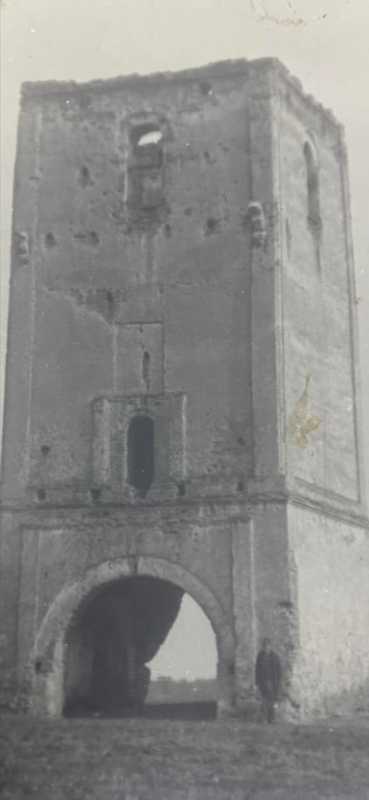
The imposing tower was the main component of the fortifications of the boyar estate in Hotarani and the easternmost observation point in the lower Olt basin, standing 15.80 metres high. From the top level, the entire Olt Valley could be monitored, from Falcoiu to Draganesti, as well as the Teslui Valley as far as its confluence with the Olt, and the main commercial road crossing the plain towards the mountain passes. AGERPRES (RO - writing by: Cristina Matei; EN - writing by: Adina Panaitescu)
Photo source: Farcasele Town Hall
Display count: 287- Category: English
- Date: 2026-09-10 11:48:06
- Foto: Primăria Fărcașele/Farcasele Town Hall