
The low levels of the Danube are boosting sustainable tourism carried out on engineless or low-capacity engine boats that do not affect the ecosystems, and colonies of pelicans in the Delta can be seen more often on the canals of the Danube Delta Reserve, as visitors get a chance to watch the birds from shorter and shorter distances.
The director of a travel agency that promotes birdwatching tours and those dedicated to photography enthusiasts, Iliuta Goean, has told AGERPRES that the low level of the river does not affect tourism and that such low levels existed in previous years as well.
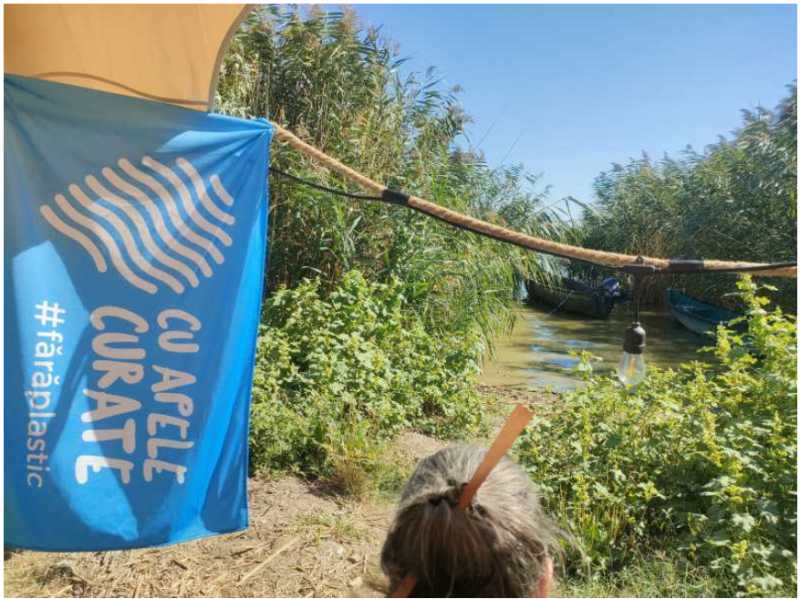
'There is a summer level; it happened before when the water was even lower. We go on canals and lakes in small boats, with small engines. We have no problems. We can carry out our business. There are even more birds, because they have concentrated on lakes and canals that remain open,' Goean said.
He added that the migration of birds began this year as early as July.
'There are very visible changes in bird migration. It started much earlier. And this has been happening for several years. Now, many more species can be seen. No one has clearly said why this is happening, but, most likely, climate change has brought these changes,' said the director of the travel agency.
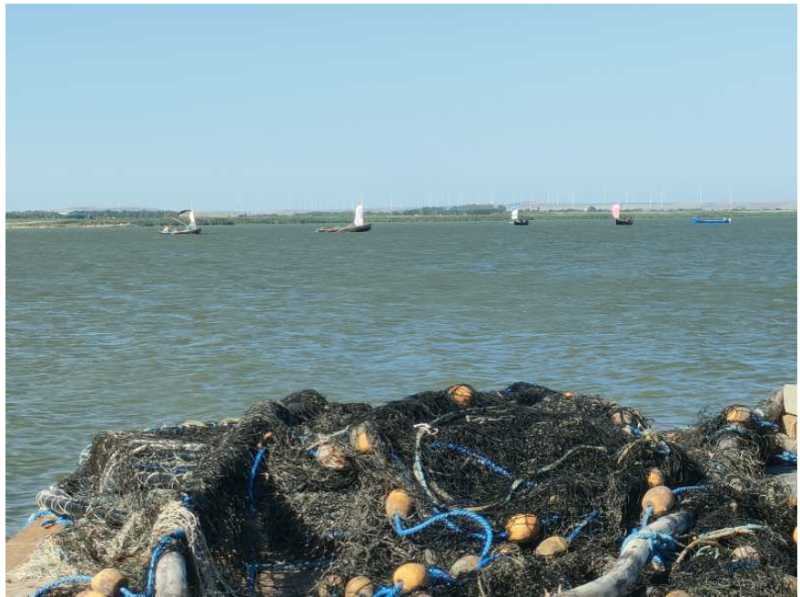
Among the tourists who visited the Danube Delta in the past few days was Czech Petr Tlapak, who came on the Morena tributary of the Danube to the reserve in a kayak that he made himself out of wood. Over the last three years, he went on the trip to the Delta together with two other friends who participated in the International Danube Tour (TID).
'At first, I was afraid that I wouldn't be able to get here in it, but now it has only a few small scratches. On the Danube we could see several sandy areas, because the level is low. We were able to rest on these beaches. In the Delta, we saw a lot of pelicans, and someone from TID told me that it is unusual for pelicans to be on the canals as well,' said Tlapak, initiator of the 'Little Amazon' project in the Czech Republic.
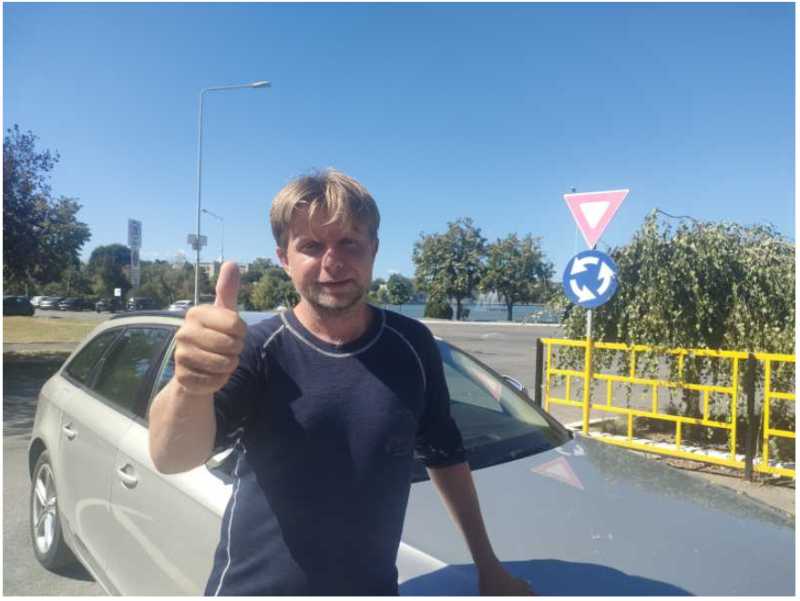
He was dissatisfied with the fact that he had seen fishermen taking a lot of fish out of the water, but he expressed his conviction that nature has the ability to regenerate.
Other people who finished their six-night stay in Sulina the other day say that they ate very good fish dishes.
'We were to Sulina before and we come back almost every year. There is more silence and there is no hustle and bustle in other areas of the seaside. We received RO-ALERT, but it didn't bother us. To us, the storceag fish soup was extraordinary. For second course, we also ordered fish. We didn't eat carp, because they told us that, being still in the mud, it smells like mud and they didn't offer it to us,' said Petre Gheorghe from Dambovita County.
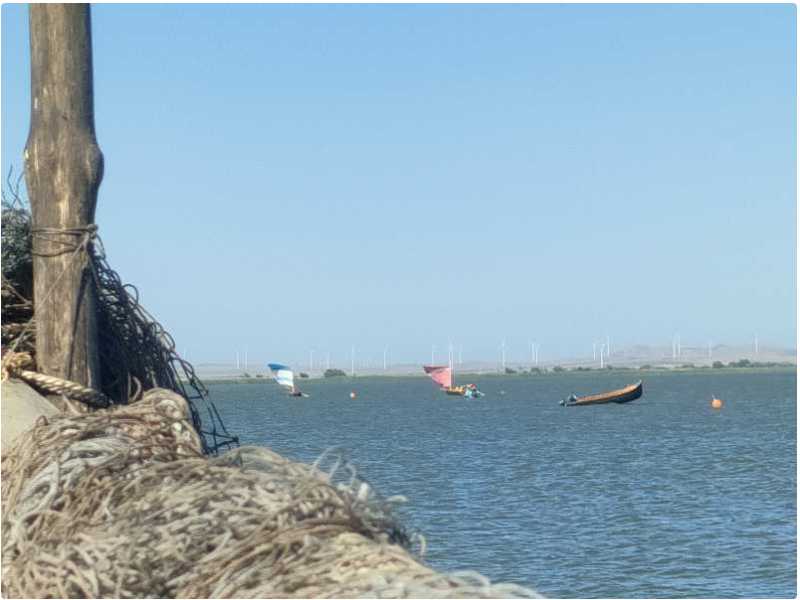
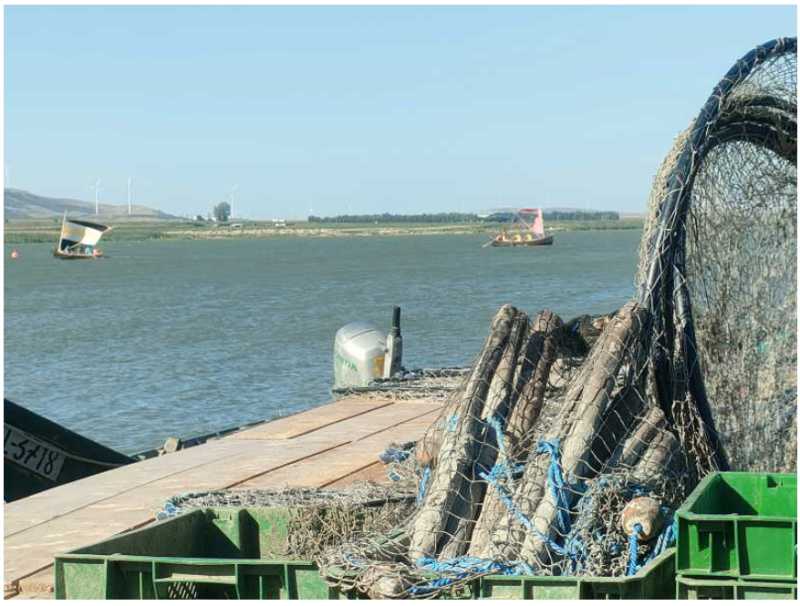
The low water level in the reserve did not prevent the sailboat competition in the village of Sarichioi, located on the shores of the Razelm-Sinoe complex, so some fishermen and their families left their gear on land and competed with tourists or friends of the area.
'We decided to participate this year, because last year our cousins took the first place and inspired us. The race was quite hard, because the wind started and we couldn't recover on a curve, then we cut the last buoy (in the sense that they didn't exceed the buoy according to the regulations ) and we didn't reach the end. We will try next year with the same team,' said Andrei and Ioan Tit, who teamed up with their family members.
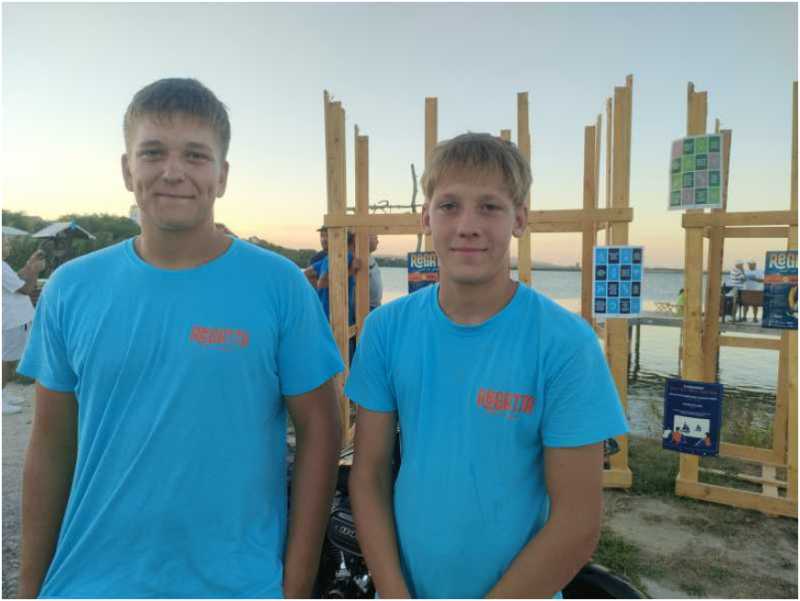
For older people, the race was even more difficult, because some of the boats started in the ship-carpentry workshop in the Fishing Village Museum were not completed.
'It was a hard race, because the water entered the boat. It was neither ridden nor painted. (...) This year, there is no fish. The authorities should make unclogs and leave Periboina open, to circulate water in the complex all winter long. Last year, there was no water like that,' said Anatol Agafon, pointing to the edge of the complex.
Unlike in previous years, on the shores of Lake Sarichioi there are more and more wooden boats pulled on land, in front of a tavern where fish dishes attract many visitors.
'The year 2026 was not necessarily favourable for events in the cultural area, because this sector in Romania is also poorly developed, and since there was no non-reimbursable funding, we thought about not doing it anymore, but we received support from everywhere, unconditionally. The message of the regatta is to recover a tradition, of sailing, to try an education for the little ones, something that maybe I didn't have, although they had a very good education, but in 2026 things are different, and pollution awareness must exist, we must have quality free time spent with loved ones, so that the locals also win', said the co-organiser of the Nod in Papura Regatta, Alexandru Onofrei.
He also thanked the inmates of the Maximum Security Penitentiary in Tulcea for participating in a workshop for reconditioning wooden bars, and also the organisers of some tailoring workshops in the town for sewing the sails necessary for the boats in which the 11 crews participating in the event hosted at the end of last week by the village of Sarichioi competed.
'I think that Ivan Patzaichin would have been happy to see what is happening here, because he was most concerned with the idea of who would carry on what he loved so much, the Lipovan tradition, the gastronomic tradition and, especially, the people with whom he surrounded himself and whom he valued, no matter what village they were from, no matter what nationality they were, no matter what religion they were. He had this respect for the people and, for this reason, they loved him and remember him today,' said during the award ceremony of the Nod in Papura regatta, the co-founder of the Ivan Patzaichin-Mila 23 association, Teodor Frolu, on the day that marked the fifth anniversary of Ivan Patzaichin's death.
According to a social media post published by the Danube Delta National Institute for Research and Development, the low levels of the water in the reserve help specialists collect essential data to understand hydrodynamics, sediment transport and their distribution on the branches of the river to the delta, with the analyses being carried out using high-performance equipment acquired under various projects carried out at European level.
In the last two months, the Danube came close to its lowest historical flow of the last 30 years and, according to some sources, it would have fallen below this level several times, according to the National Institute of Hydrology and Water Management (INHGA), given that the lowest flow recorded for the Danube was in 1985, at 1,400 cubic metres per second (MC/s) at the entrance to Romania.
The forecast for this week shows that the flow of the Danube at the entrance to the country will decrease to 1,400 cubic metres per second, being well below the multiannual average of September. AGERPRES (RO - writing by: Luisiana Bigea; EN - writing by: Corneliu-Aurelian Colceriu)
- Category: English
- Date: 2026-09-08 14:01:24
- Foto: Luisiana Bigea / AGERPRES