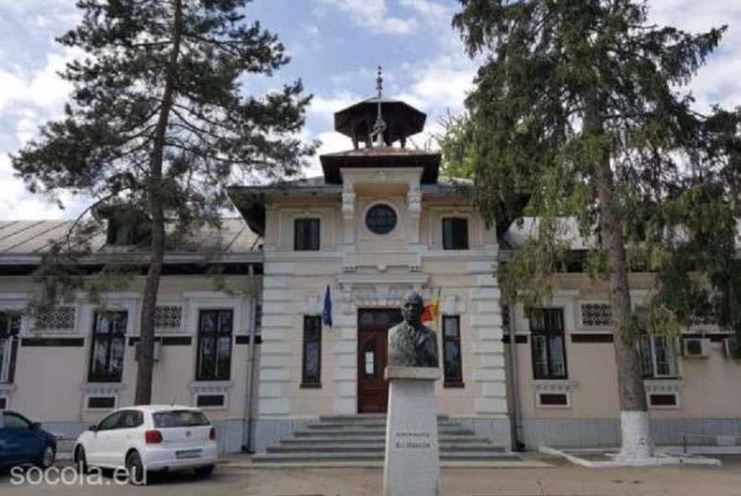

The 'Gheorghe Asachi' Technical University of Iasi, in partnership with a company from Botosani, has laid the groundwork for an innovative technology that will enable the production of high-efficiency energy-saving glass.
The new technology was developed within the Tegas Research-Development Centre, established in Botosani under a European-funded project led by Bahm Constructii Civile si Industriale SRL, with the Technical University of Iasi as scientific partner.
The project, titled 'Development and construction of an innovative installation for implementing an advanced thin-film coating technology for manufacturing high-efficiency energy-saving glass - TEGAS,' is financed through the North-East Programme 2021-2027 and has a total value of RON 34.2 million.
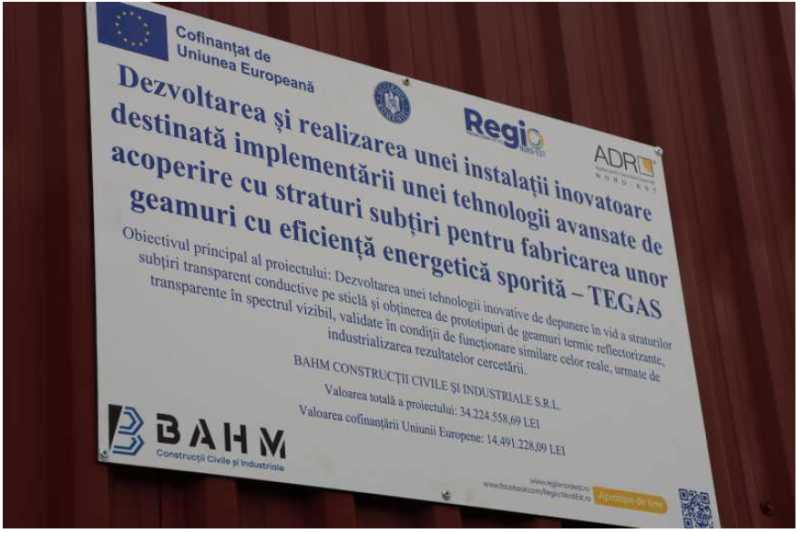
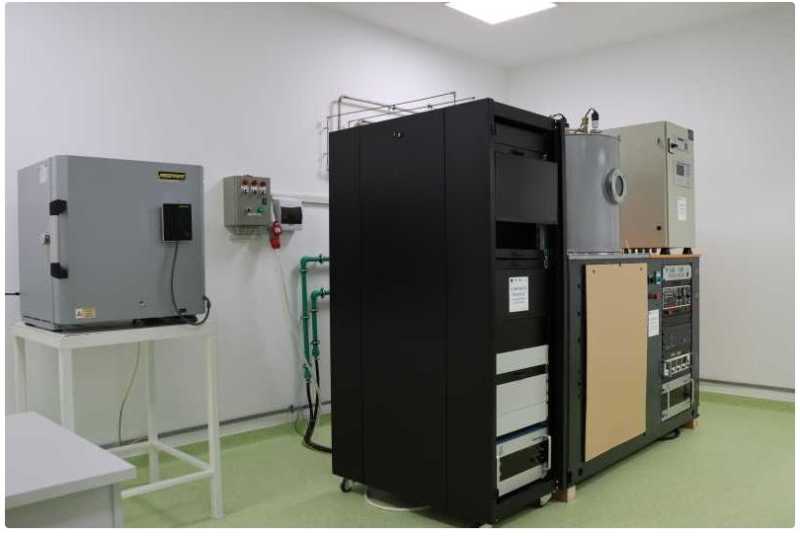
The project also includes the creation of a unique piece of equipment in Romania that will allow industrial production of 'smart glass' - glass that prevents heat from entering a building in summer and blocks heat loss in winter. A factory will also be built under the project.
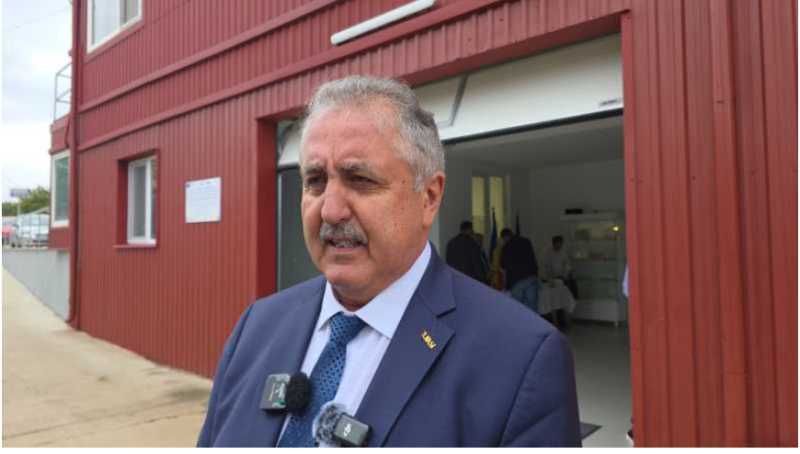
Professor Florin Branza told the press that the initiative brings forward 'exceptionally advanced research, in the field of nanometric layers that protect against harmful or uncomfortable radiation - ultraviolet or infrared.' He added: 'That means producing thin layers that are one-thousandth of a human hair, for those who want a comparison. Even if people believe that, so far from the country's heart, from the Capital, nothing can be done, here we have people with vision and entrepreneurial spirit who have managed to set up a research centre that I believe is currently unique in Romania.'
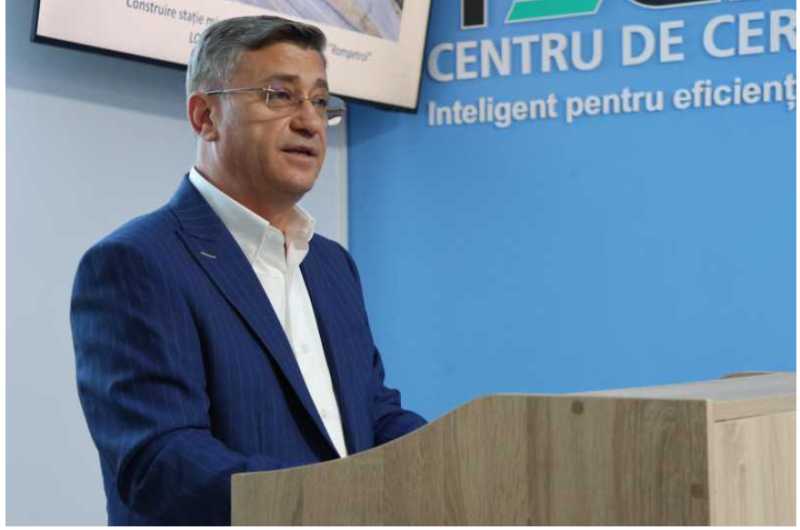
Professor Alexandru Munteanu, also a member of the Academy of Technical Sciences, said the technology developed in Botosani is efficient and could be a breakthrough not only for the Romanian market but internationally. 'This is an investment that represents pioneering work in Romania. We carried out research over the past year to assess the global state of the art, and there are few achievements of this kind. Today we are witnessing the inauguration of this pilot station, which demonstrates the efficiency of this modern technology for producing layers that provide coolness in summer and warmth in winter,' he stated.
Researcher Iulian Iordache, who coordinated the team behind the smart-glass technology, stressed that Romania must invest in research to advance. 'I consider it a great honour that this research centre has opened. These are signs of a healthy life in Romania. It is clear that Romanian capital can now mobilise unseen forces, much faster, more efficiently, more precisely. I believe it is time for us - from research and academia - to join this forward-looking effort with a different rhythm. Beyond its scientific and technological significance and its impact on energy efficiency, this project expresses Romania's capacity to respond to future challenges,' he said.
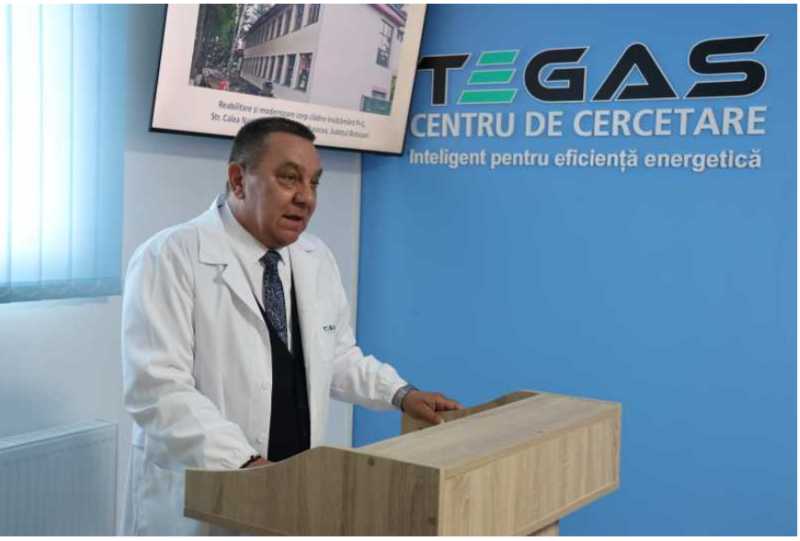
Businessman Constantin Balauca hopes industrial production of smart glass will begin in 2028. Until then, the project beneficiaries must identify a company capable of manufacturing the equipment based on the newly patented technology. 'When this factory is completed, we will be able to produce glass that is thermally efficient, so radiation will no longer penetrate and heat will no longer escape,' he noted.
The TEGAS project aims to develop an innovative vacuum-deposition technology for transparent conductive thin films on glass and to obtain prototypes of thermally reflective glass, transparent in the visible spectrum and validated under near-real operating conditions, followed by industrialisation of the research results.
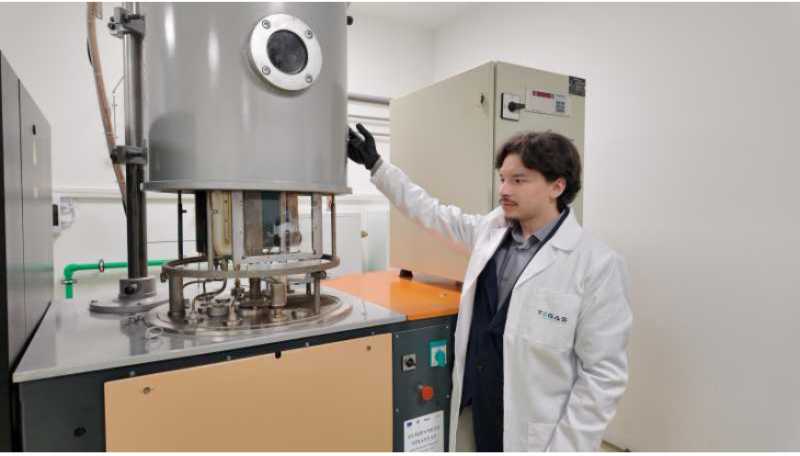
Its specific objectives include building the pilot vacuum-deposition installation using magnetron sputtering, obtaining and validating full-scale prototypes of glass coated with AZO / Ag / AZO layers, and constructing production capacity to introduce the research results into manufacturing. AGERPRES (RO - writing by: Cristian Lupascu; EN - writing by: Simona Klodnischi)
- Category: English
- Date: 2026-08-27 21:11:42
- Foto: Cristian LUPASCU / AGERPRES