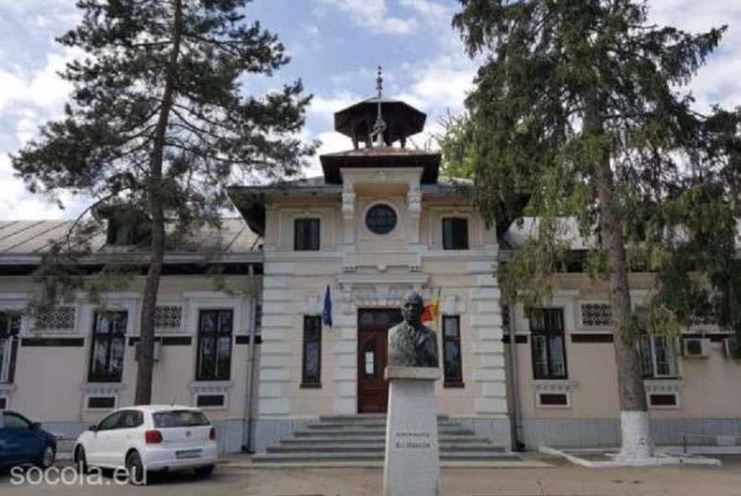

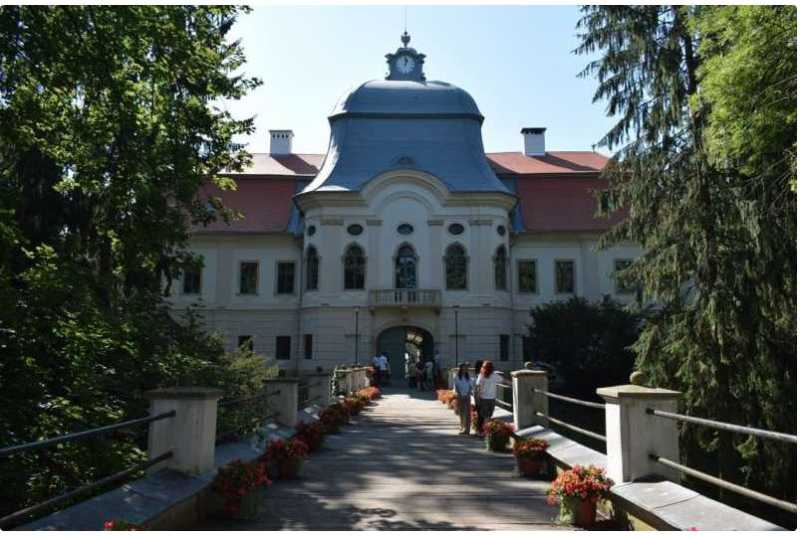
After nearly three years in which, as locals put it, 'the echo of construction tools dominated the aristocratic salons', Teleki Castle in Gornesti (Mures County) - considered by many the most beautiful baroque monument in Romania - reopened on Saturday in a festive ceremony. The Transylvanian architectural jewel, built between 1772 and 1803, has been saved through a €4.6 million full restoration financed under the National Recovery and Resilience Plan, within the 'Attractive Romania' program.
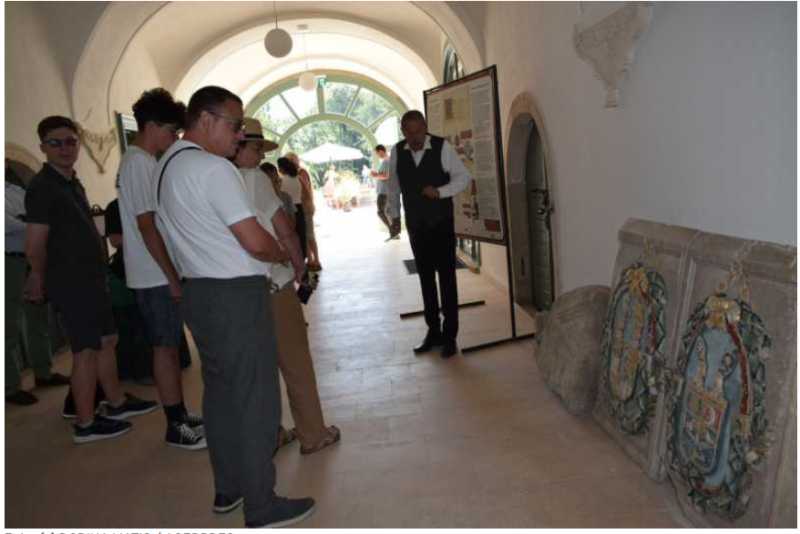
The restoration was a race against time for engineers, mural conservators, carpenters and stone specialists, who worked in tight coordination to revive a structure that had reached critical vulnerability. Construction engineer Zsolt Nagy, who knows every stone of the building, described the technical pressure of the project: 'There were challenges. Building the scaffolding tower to reach the top and install the lightning rod, then mounting tanks so large that even transporting them here was a challenge. Then we had a section of wall that collapsed - luckily no one was there during execution - and so on. It is a joy for me that we finished and that it turned out so beautifully. It is the most beautiful baroque castle in Romania.'
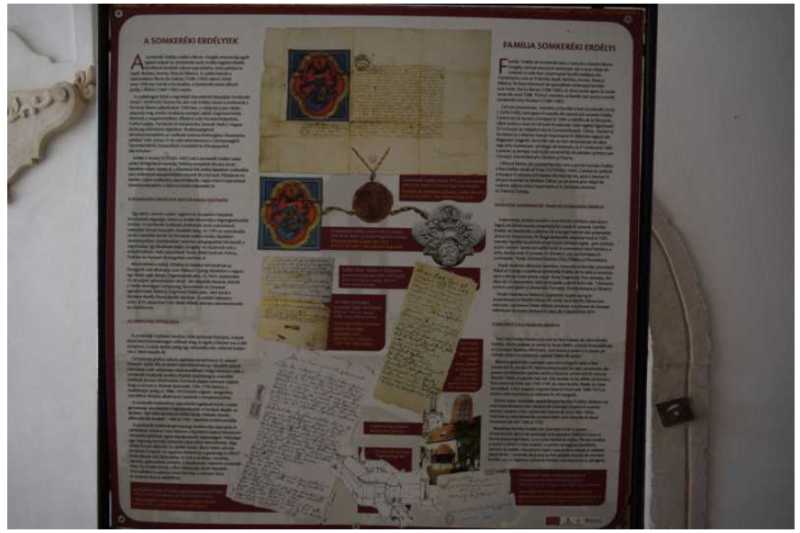
One of the most spectacular achievements was the restoration of the interior decorations. During the works, experts uncovered exceptional mural paintings that recreate the atmosphere of European noble courts. Restorer Denes Molnar explained: 'It is a decoration typical of that period - late baroque intertwined with rococo and classicism. Castles were usually decorated with tapestries, which were very expensive, so painting was done in that style. The decoration that looks like marble stone is actually painted in oil. About 30% of the painting was preserved, but it could be reconstructed, and we now see the typical ambience of the period.'
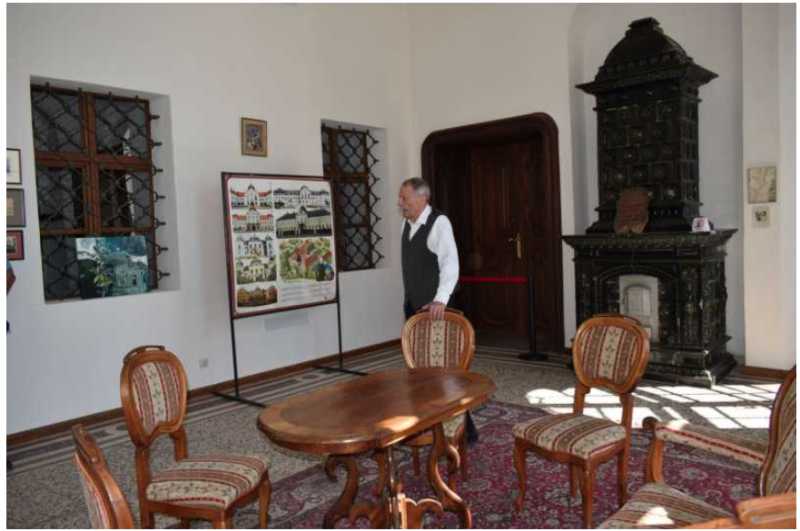
Count Kálmán Teleki, the castle's owner, expressed deep satisfaction with the restoration and personally guided the first group of tourists: 'I am very satisfied with what has been done. Of course, there are some issues - every building has its problems - but overall, I must admit the company that worked here was extremely well organized. The castle will be open, and as many people as possible will be able to come and see what has been achieved. They will see that Europe is not as dark a thing as some believe, because these castles were restored with European taxpayers' money.'
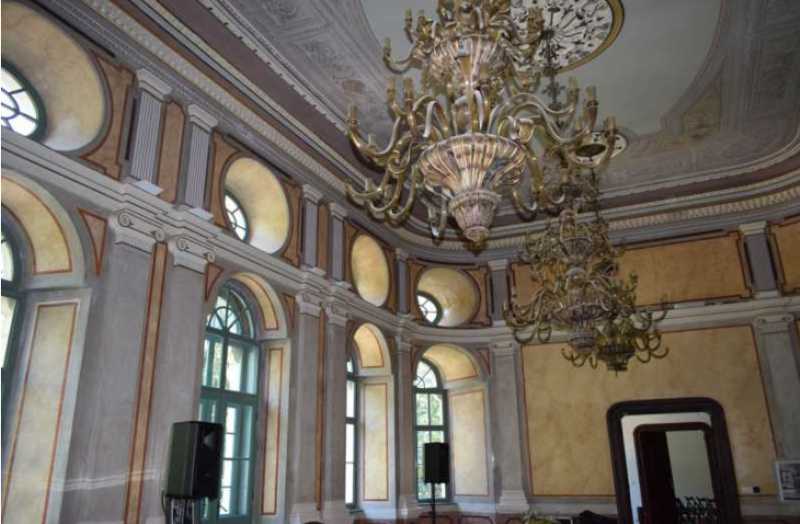
The restoration replaced the roof, heating, electrical, water and sewage systems. For structural work, only traditional restoration techniques were used.
'Where we could - for example, we have very beautiful oak doors, parts of parquet that remained - we preserved all original elements. We did not put concrete inside; we restored and kept everything. I think all this is a big step forward, and I believe this castle will live for another 50 years.'
Teleki said families from Belgium and France donated period furniture to help furnish the castle's future museum: 'For interior fittings and furniture we have no funds. We already had a collection, but we will expand the museum area. We received quite interesting furniture as gifts from my friends in Belgium and France. Some pieces are already here, some still in Belgium, and they will all come. We will arrange them as museum pieces.'
A partner association will also create a special museum dedicated to the evolution of the aristocracy.
Teleki explained that the castle's architectural style is Grassalkovich baroque, a regional variation of late Central European baroque named after architect and noble Anton Grassalkovich. He described its features: 'The buildings have perfect symmetry, with a prominent central body and lateral wings forming a court of honor. They have a massive central pavilion, often decorated with an elegant dome - bulb-shaped or bell-shaped - housing the great reception hall upstairs. The style combines dynamic late-baroque decorative elements, rococo floral details and geometric exterior lines from classicism.'
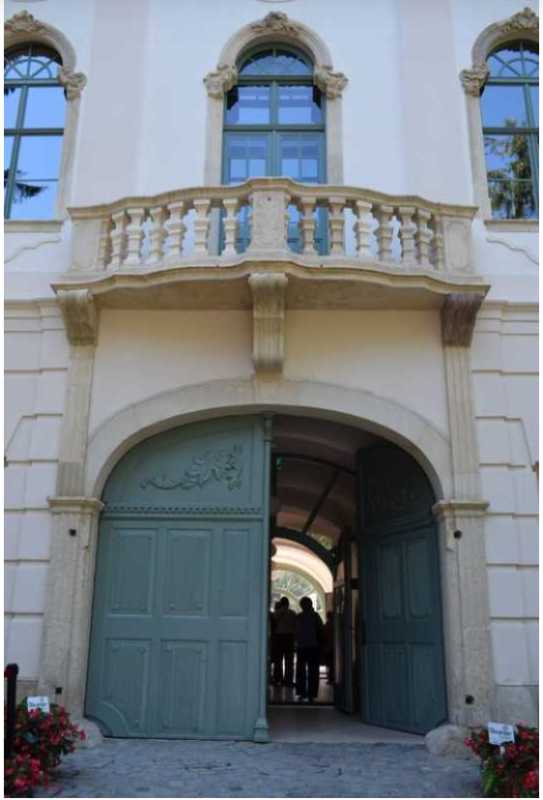
The upstairs reception hall, located beneath the central dome, is the castle's most representative room. Despite wartime looting, it retains original plasterwork, mural fragments, two porcelain stoves, a white fireplace and three glass chandeliers. The Teleki family's large heraldic crest still dominates the entrance and balcony.
Teleki also recounted the family's history during nationalization: 'In September 1944, the family temporarily took refuge in Hungary because Soviet troops were approaching, but returned in spring 1945, finding the castle completely looted of furniture and books. German troops had stayed here, then Soviet troops, who kept their horses on the ground floor. When the communist regime confiscated the castle, my family and I moved and lived for almost two decades in an unsanitary basement with only two rooms in Targu Mures.'
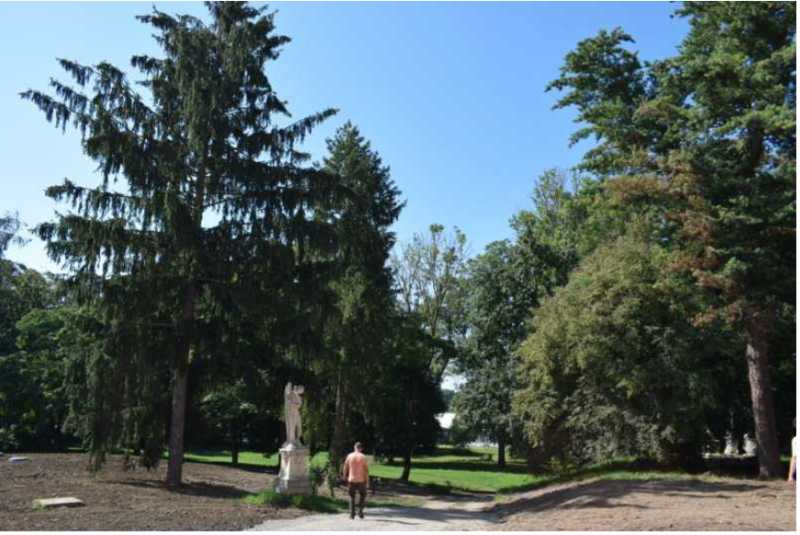
The castle's dendrological park, landscaped in the early 19th century in the English style, contains rare and centuries-old trees. Its crown jewel is a magnificent Ginkgo Biloba estimated at over 250 years old: 'It was planted around 1800 by Count József Teleki II after a study trip through the great gardens of England. It is called 'The Gold Tree' because in autumn it offers a unique visual spectacle, covering the ground with a dense carpet of golden leaves.'
The park hosts 24 ginkgo specimens, swamp cedars, ancient plane trees, oaks, chestnuts, ash trees, acacias, birches, walnuts and 11 allegorical stone statues.
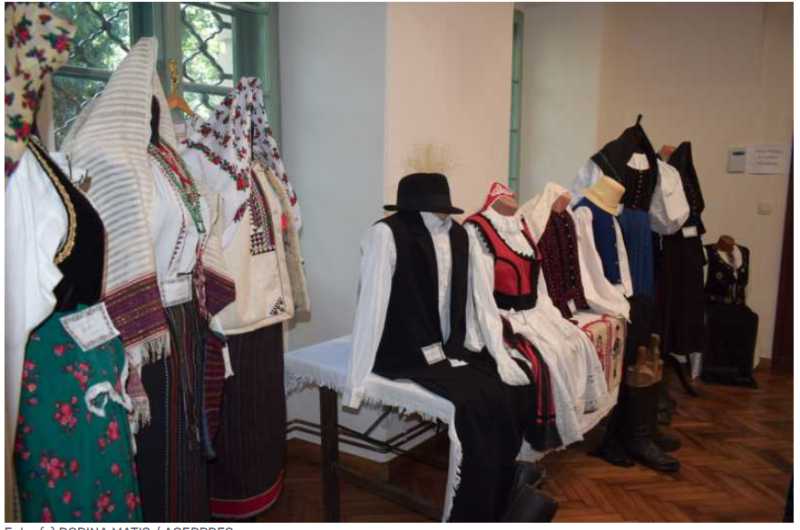
Four rooms now host an impressive collection of folk costumes and embroidery gathered over decades by local teacher Mária Erzsébet Matei. She told visitors: 'There are hundreds of pieces. Only in traditional costume we have about 25 from all regions. Most are old. For example, the Gornesti costume was recreated from a 1906 photograph. Look how beautifully and meticulously our grandparents worked without lamps, without electricity, without magnifying glasses.'
The reopening event transformed the estate into a lively cultural hub, with guided tours, children's workshops, puppet theatre, and a roundtable on cultural tourism. The day ended with a piano recital by Tibor Cári, symbolically marking the rebirth of a monument that refuses to become the past. AGERPRES (RO - writing by: Dorina Matis; EN - writing by: Simona Klodnischi)
- Category: English
- Date: 2026-08-01 19:11:15
- Foto: Dorina MATIS / AGERPRES