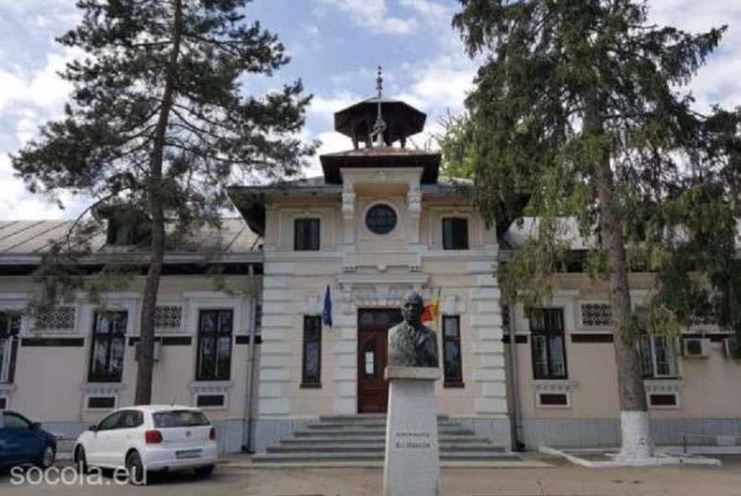

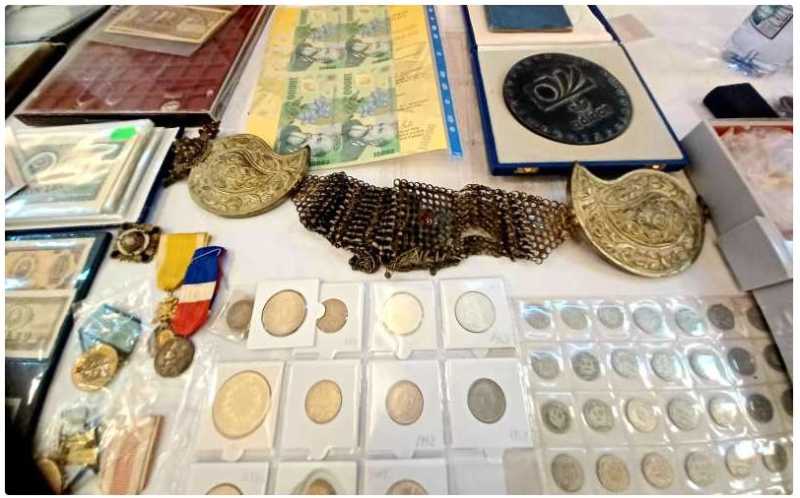
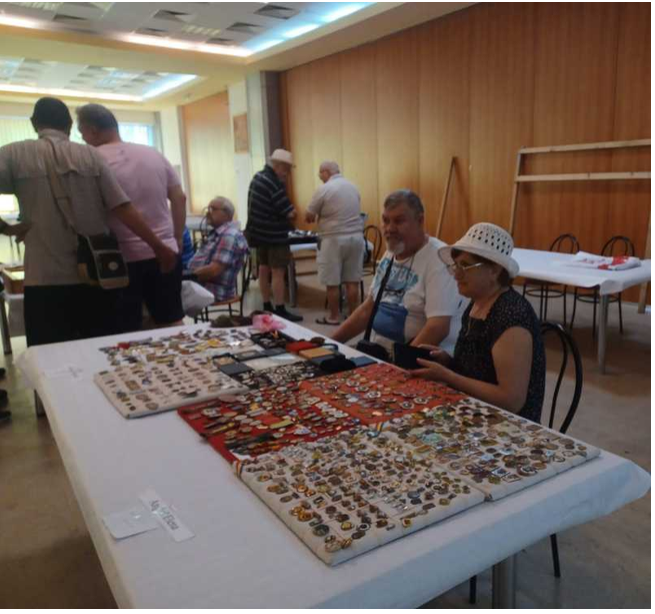
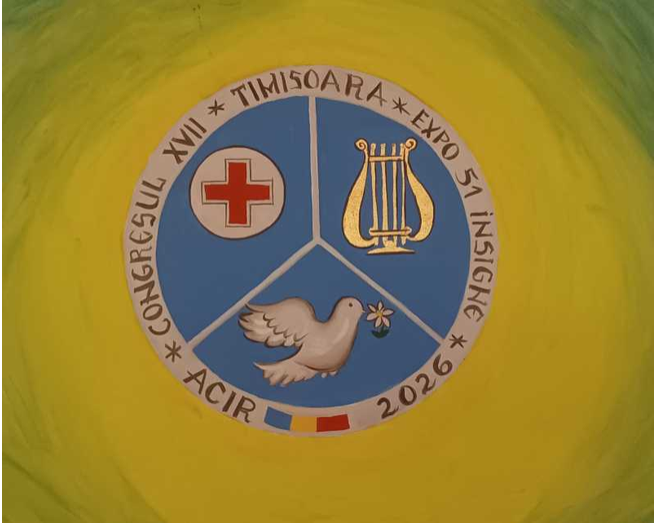
Hundreds of historic badges tracing more than two centuries of European political, military, cultural and social history are on display in the western Romanian city of Timisoara this weekend as collectors from five countries gather for Romania's 17th National Insignography Congress and a public exhibition.
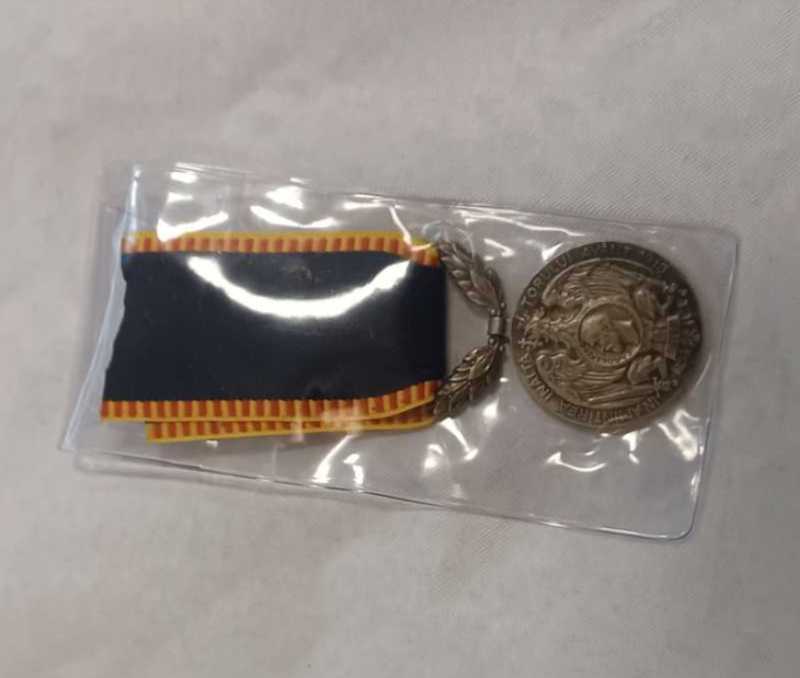
Organised by the Romanian Badge Collectors Association (ACIR), the two-day event has brought together around 70 collectors from Romania, Germany, Poland, Bulgaria and Serbia, marking the return of a major badge exhibition to Timisoara for the first time in five decades.
Far from being simple souvenirs, organisers describe badges as miniature historical documents that preserve the memory of institutions, communities, historical events and public figures.
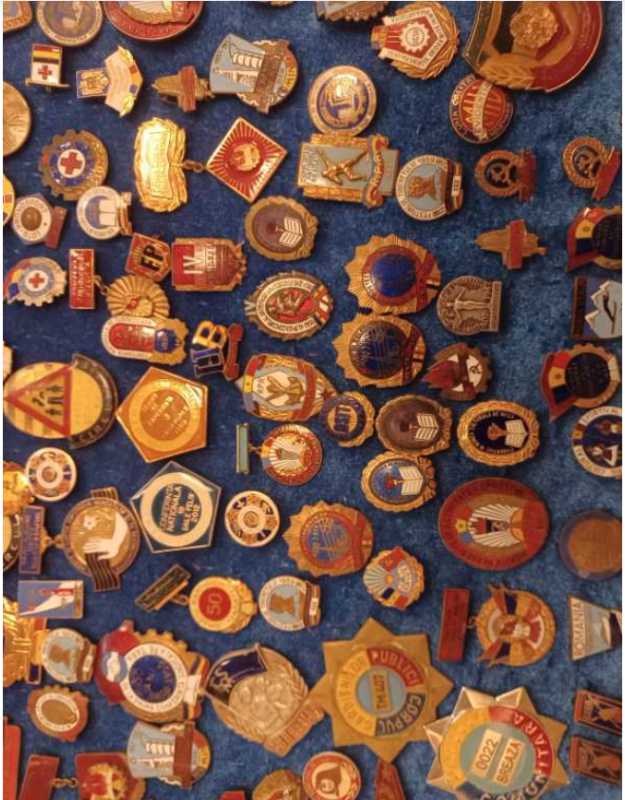
'Badges are small objects with a great deal of history behind them. They preserve our national heritage, but they also tell the stories of military units, choirs, sports clubs, medical organisations and many other aspects of society,' ACIR President Stefan Dina told AGERPRES.
The exhibition features hundreds of badges covering themes ranging from military history and healthcare to music, education and regional traditions, including pieces linked to the multicultural heritage of Romania's Banat region.
According to collectors, some rare historical badges have become highly sought-after. Military, musical and Saxon choral society badges can fetch between EUR 500 and EUR 6,000, depending on their rarity and condition, although collectors say their historical significance outweighs their commercial value.
The congress also highlights the evolution of badges themselves. Decorative metal insignia have existed in various forms since antiquity, but the modern pin-back badge was patented in the United States in 1896 and rapidly became a popular medium for political campaigns, advertising and public communication before evolving into a widely collected historical artefact.
During the 1960s and 1970s, badges also became symbols of popular culture and social movements, worn by peace activists and fans of internationally renowned bands such as The Beatles.
Many Romanian collectors view badges as valuable historical sources capable of documenting institutions and communities that no longer exist.
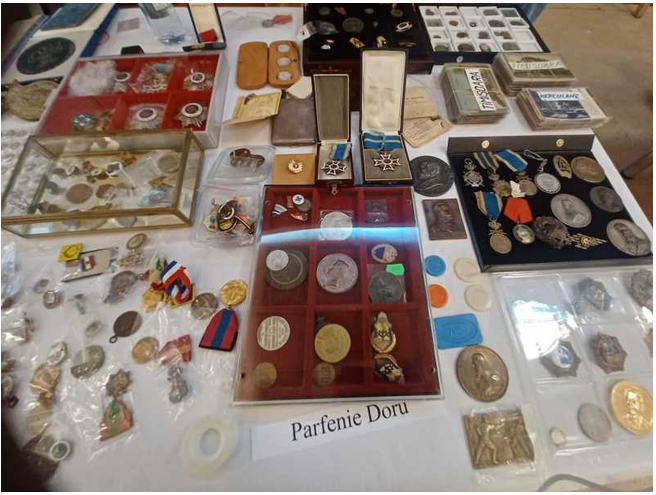
Among the exhibits are early 20th-century university badges, military decorations and insignia linked to organisations that disappeared during Romania's political transformations after World War II and the fall of communism.
The event also includes presentations by researchers examining the historical significance of badges and their role in reconstructing aspects of local and regional history.
Organisers hope the exhibition will draw attention to a collecting tradition that continues to survive despite growing digitalisation, arguing that physical objects remain irreplaceable witnesses to Europe's shared cultural heritage. AGERPRES (RO - writing by: Otilia Halunga; EN - writing by: Simona Iacob)
- Category: English
- Date: 2026-06-27 17:57:02
- Foto: Otilia Halunga / AGERPRES