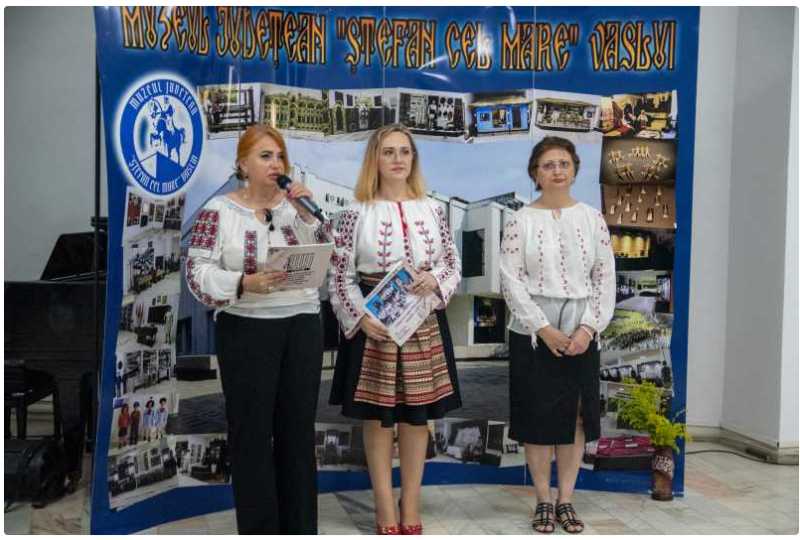
Ten women's folk blouses sewn after the patterns of old traditional shirts held in the collection of the 'Stefan cel Mare' County Museum in Vaslui were showcased on Wednesday in an exhibition marking Universal Ia Day.
The items were crafted by several women who, out of love for traditional dress, took part in the cultural project 'Vaslui Sewing Bee - New Shirts Sewn After the Patterns of Old Shirts' run by the Vaslui museum.
'The Romanian 'ia' has become a true national brand. We are glad that through this project we managed to bring together several women from our community who brought old patterns from traditional shirts back to life and interpreted them in a new style. I thank my colleagues who had this idea, the project coordinators, and the ladies who were part of our sewing bee. They were the soul of this activity,' said museum director Ramona Mocanu.
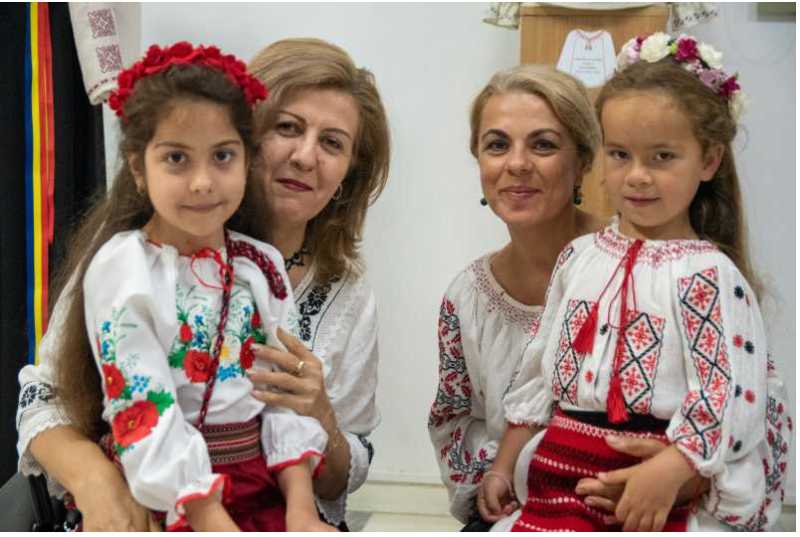
The idea for the project emerged a few years ago, when the museum hosted an exhibition of traditional Romanian garments.
'We wanted the 'Vaslui Sewing Bee' project to create an invisible bridge between heritage and community, and I was glad to see that the ladies responded positively and, more than that, completed ten new shirts sewn after the old items in the museum's collection. During this period we worked on research and documentation together with our colleagues. I am sure each blouse has already conveyed part of the hidden story behind it,' explained museum specialist Paula Nitoi.
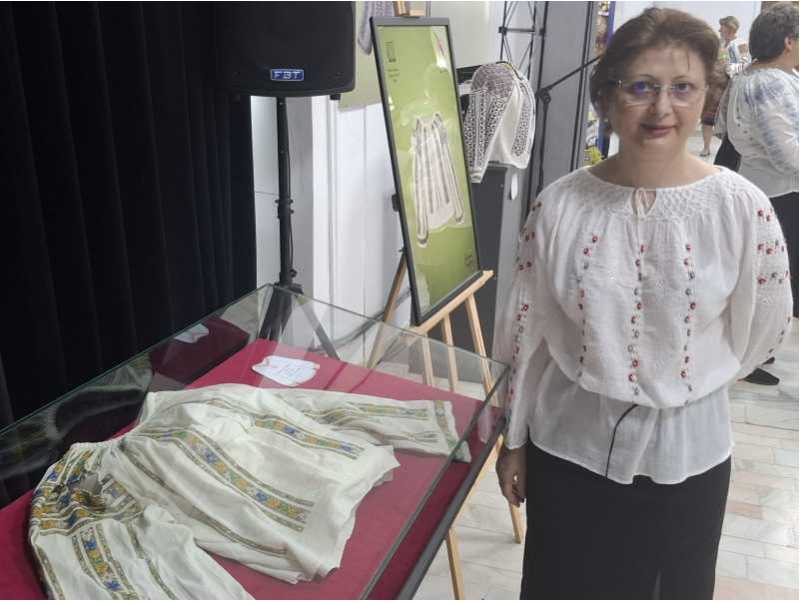
The project was initiated by Elena Botez, textile restorer at the museum, who brought out old women's blouses from storage - many too damaged to be exhibited, yet still valuable as models for new creations. Some of the original blouses used as patterns came from villages across Vaslui County, the oldest dating from the interwar period.
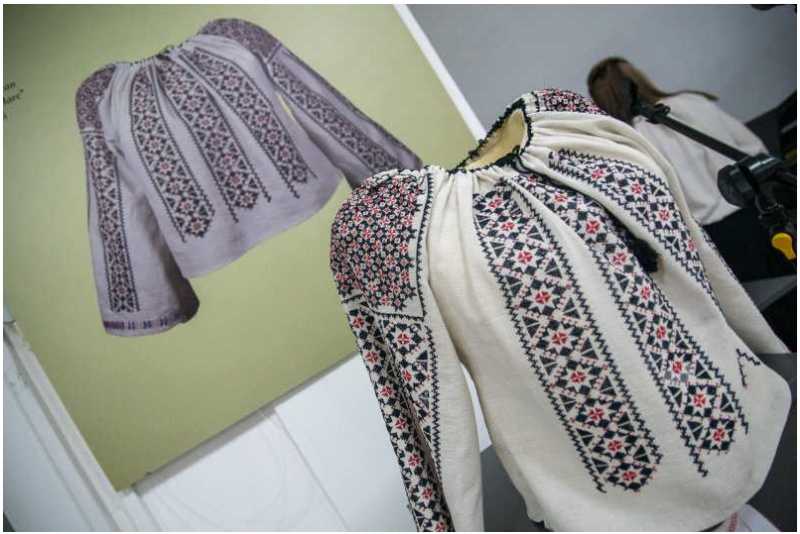
'We have these ladies who did the work by our side, but who also put their hearts into it. Through this project we wanted to bring old shirts to light, garments that pass down from generation to generation everything we carry in our souls from our ancestors. We found blouses that can no longer be exhibited because they are too deteriorated, and through this project we can make them visible. For example, we have a blouse displayed in the showcase - a damaged one, but with a very beautiful pattern. I thank the ladies who took part in the project; we managed to form a group, a real community, and I was glad to hear them say they came to the sewing bee to relax, to meet, to exchange experiences and impressions, to ask each other for advice, and to encourage one another that they could succeed together. We brought the theory and the knowledge; the ladies put in their hearts,' said Elena Botez.
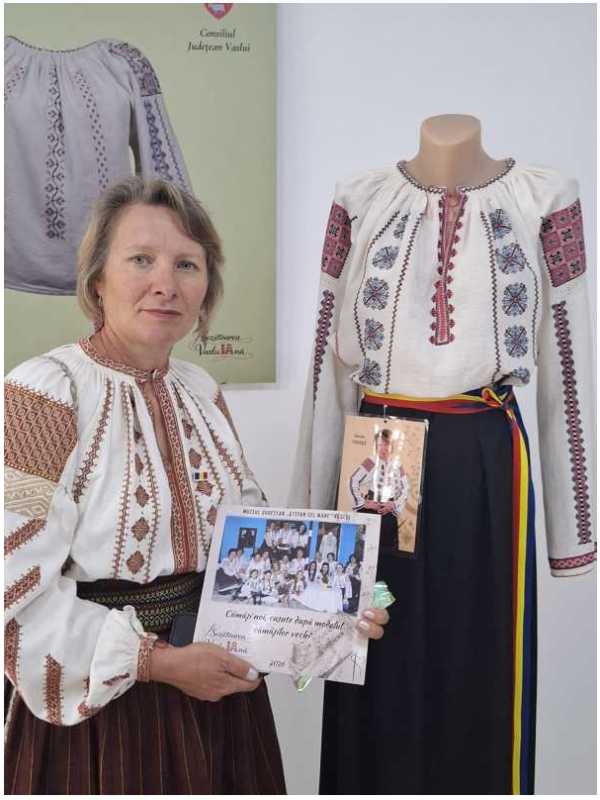
The women who worked on the ten blouses come from various backgrounds - employees, retirees, homemakers - some already known as folk artisans in Vaslui, others trying their hand at sewing for the first time, inspired by what they had seen their mothers or grandmothers do.
Folk artisan Viorica Tanasa, from the Barlad area, said: 'I'm glad I was included and could help the success of this very beautiful project. I hope there will be more events and more projects like this, and that people will wear Romanian traditional dress. We should not be ashamed or embarrassed to wear an 'ia' thinking we are not 'cool', because we can be perfectly 'cool' donning it. Each person who sews a blouse leaves their mark thereon and identifies with it. For example, in my blouse I kept from the old shirt what was, in my view, correct and well placed, but some elements did not seem part of the structure, so I added new ones. It truly bears my imprint.'
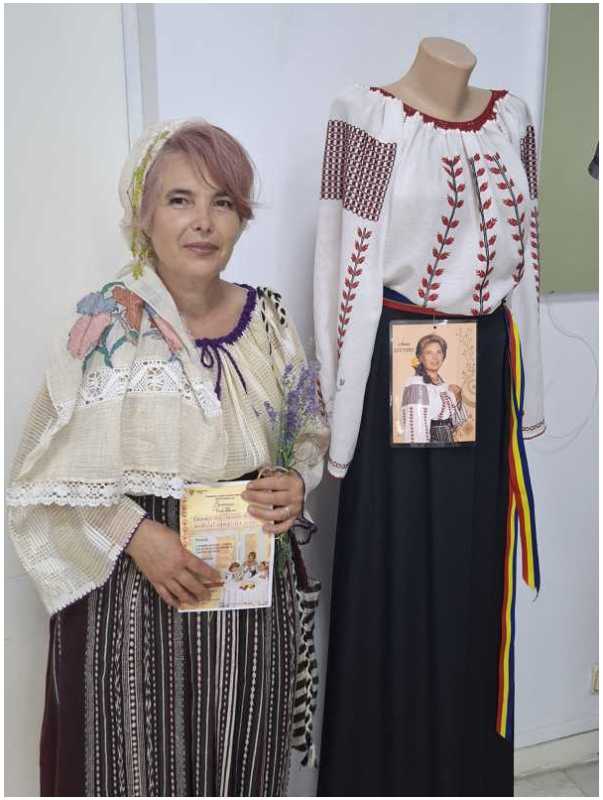
Liliana Scutaru, known for the distinctive folk aprons she makes and exhibits, joined the project even though she is a beginner in sewing traditional blouses.
'I am a beginner. This is my first correctly sewn blouse, respecting the techniques and the clear rules I learned here at the museum. It was indeed hard, but it was also beautiful. It was like a balm for the soul, and I hope this is only the beginning and that I will manage to sew more blouses,' she said.
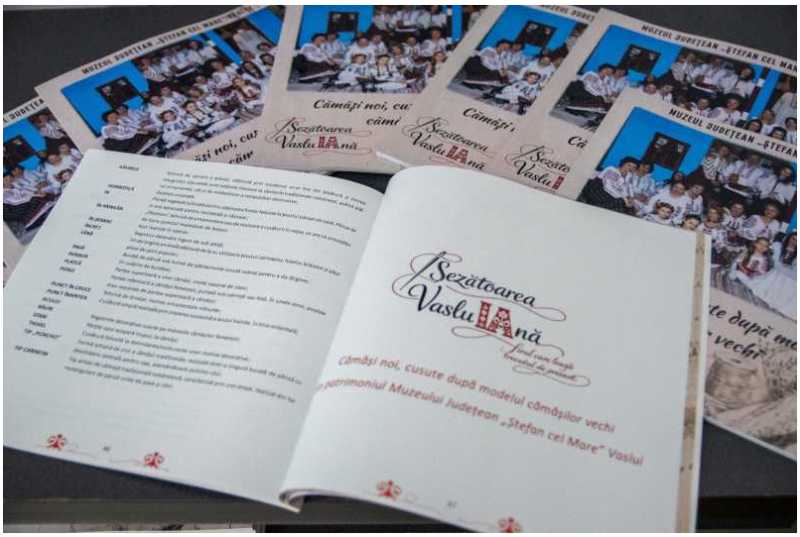
The museum also launched an album featuring all the blouses created in the project, with detailed explanations of the patterns and techniques used, so that anyone interested can sew a traditional shirt with elements specific to the Moldavian region.
'The women's blouse from Moldova, known generically as the 'ia', is the fundamental piece of the traditional folk costume. Made of homespun cloth and adorned with varied decorative techniques, it reflects both the technical skill of women and the symbolic universe of rural communities. The cloth traditionally came from the household, woven from hemp, linen and later cotton. The threads were spun by hand and woven on the loom, and the quality of the fabric varied depending on the purpose of the garment. Festive shirts were made of finer cloth and decorated with elaborate motifs. The Moldavian shirt follows a traditional cut based on rectangular pieces of cloth, designed to minimise waste. Most shirts consist of the bodice, sleeves and underarm gussets. In the Moldavian area, the shirt with shoulder embroidery ('altita') predominates, structured in three main decorative registers: the 'altita', the sleeve tightening band ('incret'), and the vertical embroidery bands ('rauri'). The 'altita' is the ornamental field on the shoulder, the tightening band marks the transition to the sleeve, and the vertical embroidery bands run vertically along its length. The ornamentation is executed through various techniques: cross-stitch, old stitch, backstitch, running stitch or counted-thread embroidery. The motifs include diamonds, crosses, stars, spirals, stylised flowers and vegetal forms. These motifs have not only an aesthetic role but also a strong symbolic value,' the album explains. AGERPRES (RO - writing by: Loredana Ciobanu; EN - writing by: Simona Klodnischi)
- Category: English
- Date: 2026-06-24 19:38:38
- Foto: Loredana CIOBANU / AGERPRES