
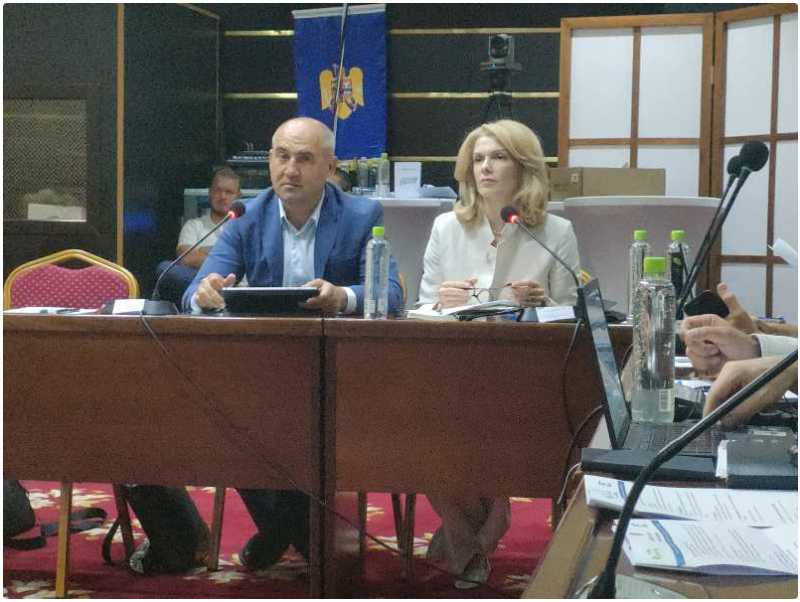
Tulcea County could become a Romanian-Ukrainian integrated transport hub, combining river, rail, road and air links, concluded participants in the Blue Economy Experts' Forum hosted this week in Tulcea. The event aimed to strengthen cooperation between researchers and Delta communities amid multiple regional challenges.
Private investors, state authorities, Romanian and foreign researchers and NGOs presented projects addressing the needs of the Danube Delta Biosphere Reserve. Among them was Yuriy Dimchoglo, owner of the Orlivka port in Ukraine's Odesa region, who outlined plans to double the port's activity.
'We are negotiating with our Romanian partner Navrom SA to have two mooring pontoons on both banks of the Danube. We are also an eco-terminal - last year we began an energy-efficiency project, installing 170 kW of solar panels, with plans to reach 500 kW next year. We are optimistic; even if Russian drones hit them, they can be easily replaced,' Dimchoglo said.
The port also plans an industrial park, and Professor Delia Dimitriu, board member of the Danube Delta Decarbonisation Association and EU Commission expert, emphasized the strategic value of the Lower Danube Euroregion.
'I see an euroregion here. Isaccea (which sits on the left bank of the Danube, opposite Orlivka), definitely needs a port. These initiatives will remain small unless included in major programs with serious funding. I hope the integrated transport hub becomes reality - southern Ukraine has no airport, while here we have everything, including rail and easy water access,' Dimitriu, who is also a Professor at Manchester Metropolitan University, told AGERPRES.
Business representatives also discussed air-transport links. Iasi Chamber of Commerce president Paul Butnariu expressed interest in cooperation between the Iasi and Tulcea airports, while Tulcea airport director Stoian Valcu said a cargo terminal is planned, requiring a 500-metre runway extension.
On river transport, participants highlighted the need for Romanian-Ukrainian coordination. Navrom Delta SA currently requires Ukrainian approval to enter its territorial waters on the Chilia branch, as navigation on a Romanian sector is impossible due to insufficient depth.
'Many mooring points in the Delta were built with our own funds, although legally we cannot develop such infrastructure. We need proper facilities, legislative harmonisation and a communication channel with Ukraine. On the Chilia branch we could also serve communities on the left bank,' said Navrom Delta SA representative Tudorel Ivana.
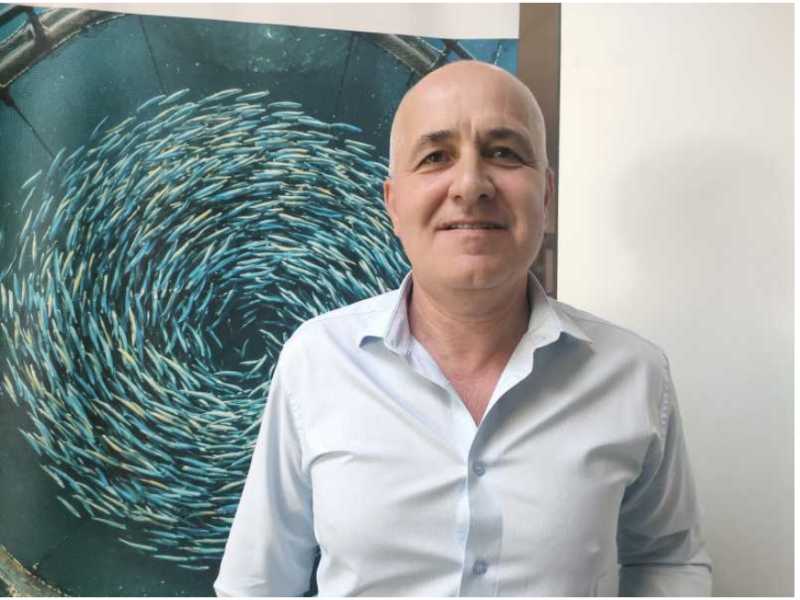
Forum discussions covered fisheries, renewable resources, eco-tourism and transport, with participants stressing the need to integrate these sectors for the benefit of local communities.
'Our goal is to give back jobs to the community through research, implementation and innovation. About ten to fifteen years ago the Delta had around 6,000 residents; now there are fewer than 1,000. People here act sustainably and love their home. With the blue-economy model, we can move forward with mature solutions,' Delia Dimitriu said.
On decarbonisation, she pointed to the DaWetRest project, which studies reed as a carbon-storage resource and aims to develop economic models with local communities.
She also noted the need for better data collection in areas such as Chilia Veche, where monitoring is minimal.
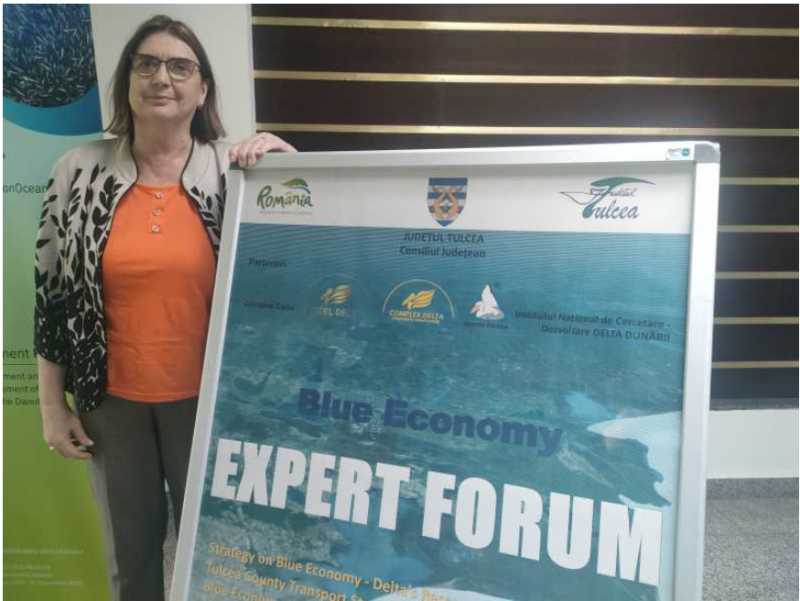
SME representatives raised concerns about EU-funding procedures, citing excessive caution from public institutions and delays caused by audits.
Researchers from the Danube Delta National Research and Development Institute (INCDDD) also mentioned difficulties in accessing funds for ecological restoration.
'If we leave the Delta as it is, water, matter and energy flows will collapse, and biodiversity with them. We must ensure circulation and promote this in the next financial framework,' said INCDDD scientific director Iulian Nichersu.
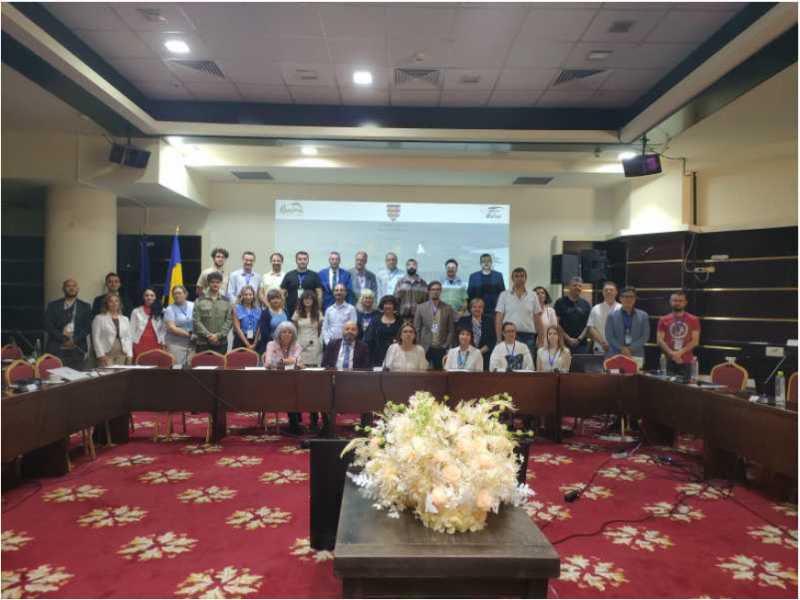
Tulcea hosted between June 16 - 18 the forum 'Challenges and Opportunities in the Danube Delta: Developing the Blue Economy', organised by the County Council, INCDDD and the Delta hotel complex, with Romanian and international researchers and European Commission representatives attending in person and online. AGERPRES (RO - writing by: Luisiana Bigea; EN - writing by: Simona Klodnischi)