
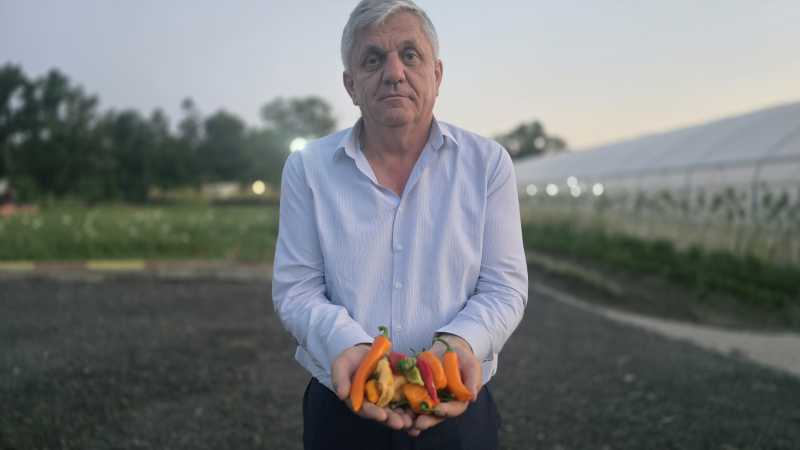
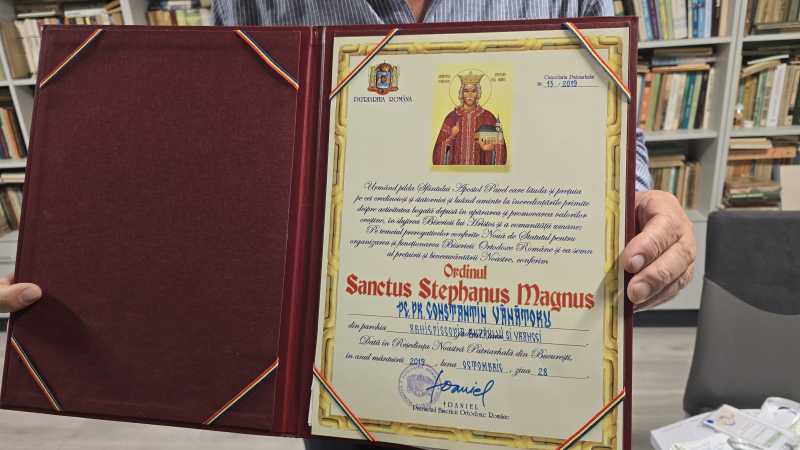
Awarded the Romanian Academy Prize and the Sanctus Stephanus Magnus Order of the Romanian Patriarchate, horticultural researcher Costel Vinatoru chose to remain in Romania despite receiving offers from the United States and France, believing that he should leave behind a treasure in his homeland, as a testament to the place where 'God sowed him'.
FLORIN ZAFIU/AGERPRES PHOTO
Costel Vinatoru, director of the Plant Genetic Resources Bank (BRGV), has devoted nearly 40 years to horticulture and research.
FLORIN ZAFIU/AGERPRES PHOTO
He was born in Plostina, in the rural town of Lopatari, at the foot of the Carpathian Mountains. As a child, he looked after animals and accompanied his parents when they went haymaking and gathering wild berries. These experiences strengthened his desire to discover the secrets of plants.
FLORIN ZAFIU/AGERPRES PHOTO
Moreover, in keeping with Romanian folk beliefs about the land, the specialist also attributes a mystical beginning to his future career, dating back to his baptism.
'It is a story that may have some connection. At my baptism, my godmother, who was the forester's wife, had a passion for plants. She put all the herbs she could find in the meadows and forests in that area into the water used for the baptismal bath: all kinds of aromatic plants and seeds. She probably wanted to make the water special for the occasion. Later, my parents said it was meant to be that I should enter this field, because my career path was decided then and there. And so this passion for plants prevailed, because I found refinement, delicacy and friendship in them,' Costel Vinatoru told AGERPRES.
FLORIN ZAFIU/AGERPRES PHOTO
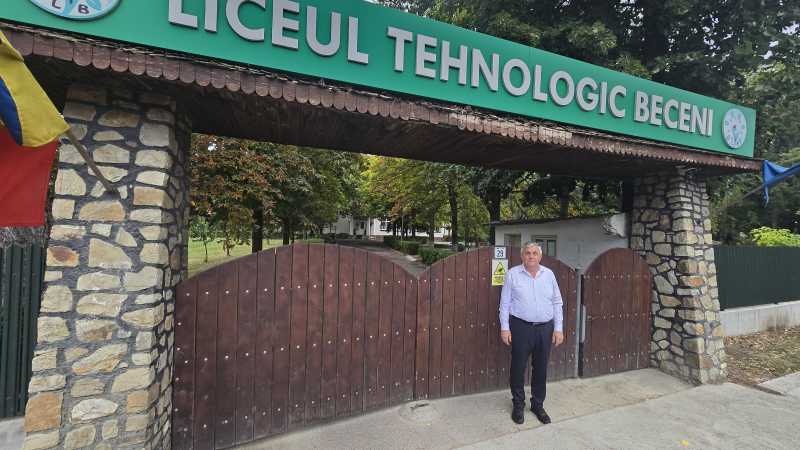
He completed his first four years of primary school in his native village, where the home, the forest, other children and his parents helped shape his character and respect for the land. He attended the secondary school in the neighbouring village of Malul Rosu, then studied at a vocational agricultural school in Lopatari. After taking the required progression examinations, he enrolled at the agricultural high school in Beceni, a step that would eventually lead him to the Buzau Vegetable Research Station.
FLORIN ZAFIU/AGERPRES PHOTO
'I had to live in a boarding house and worked very hard, because at that time children were sent out to do agricultural work. Throughout the autumn, we were taken either to pick apples or to harvest grapes. My father was a forestry worker and his salary was not very high, so I had to sign an agreement with an institution that would pay for my accommodation, allowing me to continue my studies while I was at high school,' the researcher explained.
FLORIN ZAFIU/AGERPRES PHOTO
At the time, the most sought-after place was at the vegetable research station, where he took an entrance examination and won a scholarship that covered accommodation and meals. There was, however, an additional obligation: he had to work during the holidays.
'The condition was that, after graduating, I would work for five years at the institution that had paid for my scholarship. I was therefore assigned to Farm No. 1 at the station, its largest seed-production farm. The engineer there would not accept my technical training for the position I was supposed to hold, so I was employed as an unskilled worker,' Costel Vinatoru recalled, describing his first steps as a young specialist working with plants.
FLORIN ZAFIU/AGERPRES PHOTO
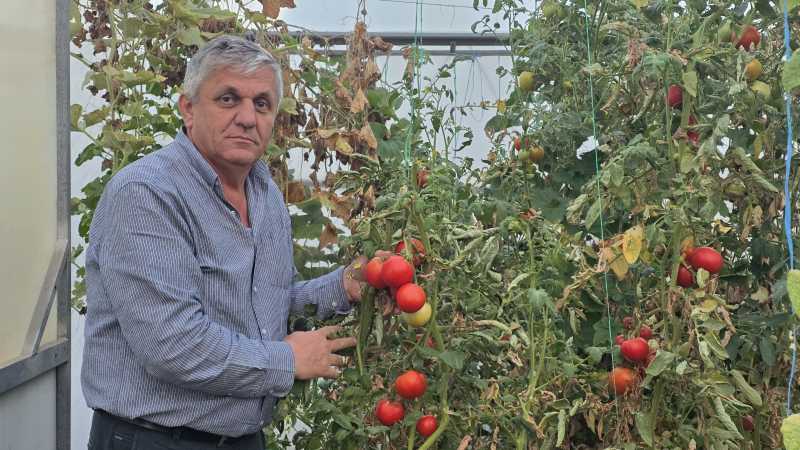
He had a talent for music, but developing his artistic side was incompatible with the hard work of farming and his determination to persevere in the field when he had no other alternative. Even for someone accustomed to hard work, digging ditches proved difficult, and it was then that he first began thinking about pursuing research.
FLORIN ZAFIU/AGERPRES PHOTO
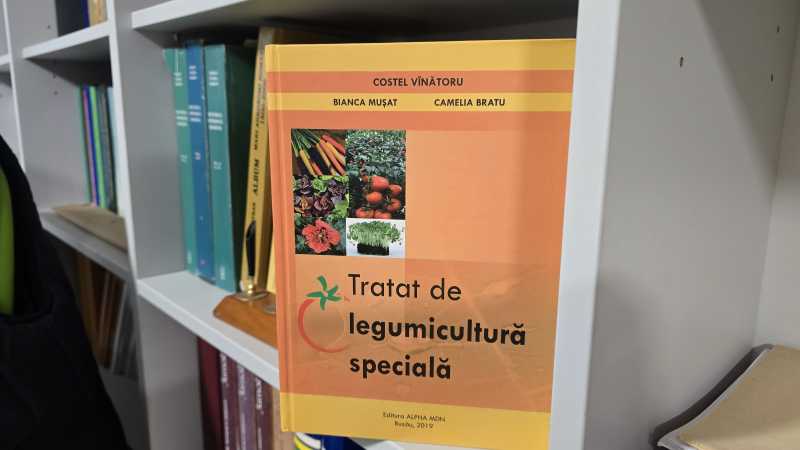
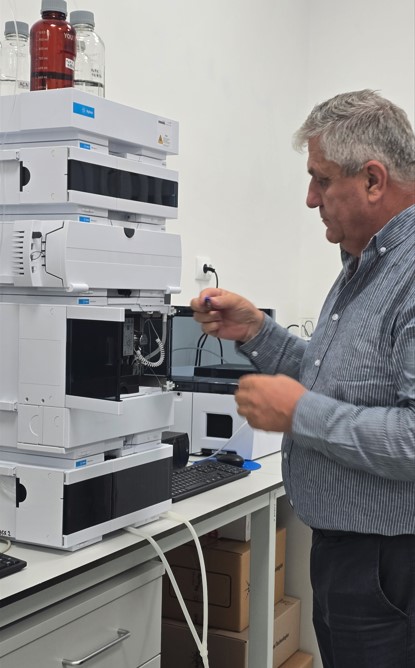
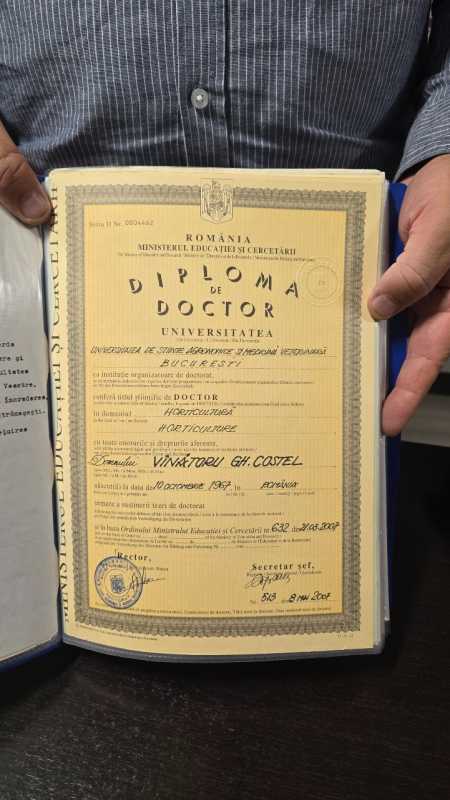
'I kept thinking that I needed to get into research and do something for people who work hard, so that we could find better ways of carrying out these costly and exhausting activities. Engineer Ionel Banita took me on and was quite strict with me, although I now see things differently because he helped shape me and began giving me specialised training. He would assign me a task and then test me on what I had learnt. I stayed there for almost five years before moving into research in 1990. I progressed from team leader to technician, then completed university and became an engineer, and later a researcher, working my way through all the grades. I was the first researcher at a Buzau research institution to attain Grade I. I now hold a PhD in horticulture. I worked on my doctoral thesis for almost nine years. It resulted in four patents and even the first commercial hybrid developed after 1990, the ‘Siriana' tomato,' the Buzau-based researcher said.
FLORIN ZAFIU/AGERPRES PHOTO
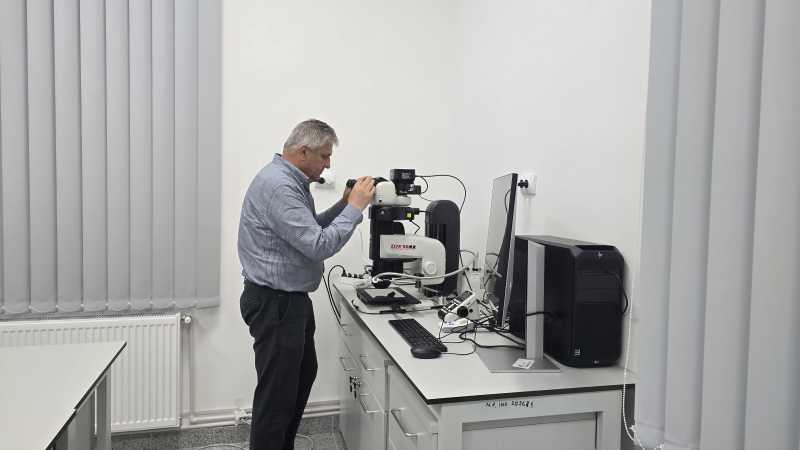
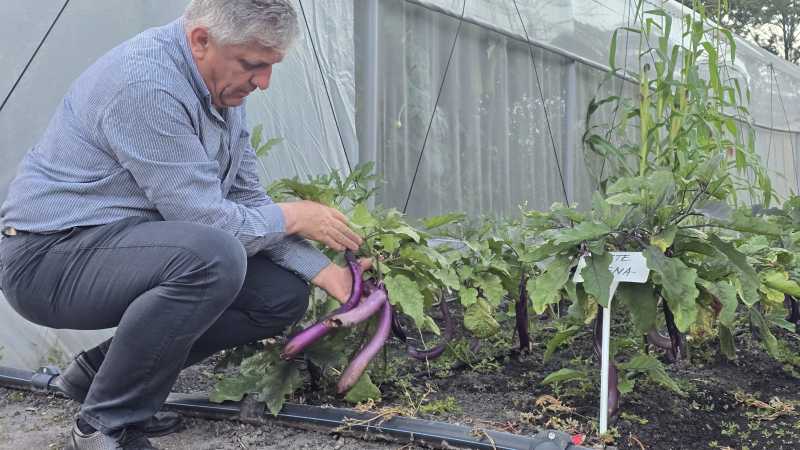
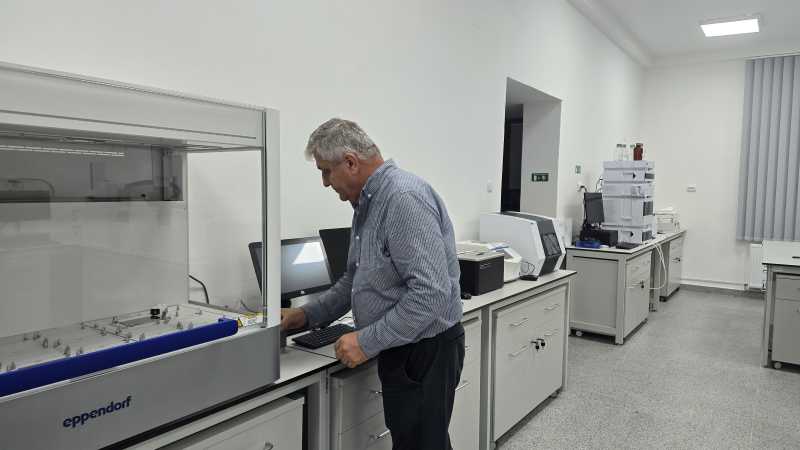
In 2019, with support from the Ministry of Agriculture, he established the Plant Genetic Resources Bank in Buzau. Since then, he and his team have helped preserve more than 20,000 plant varieties, some of which have disappeared from specialist catalogues.
FLORIN ZAFIU/AGERPRES PHOTO
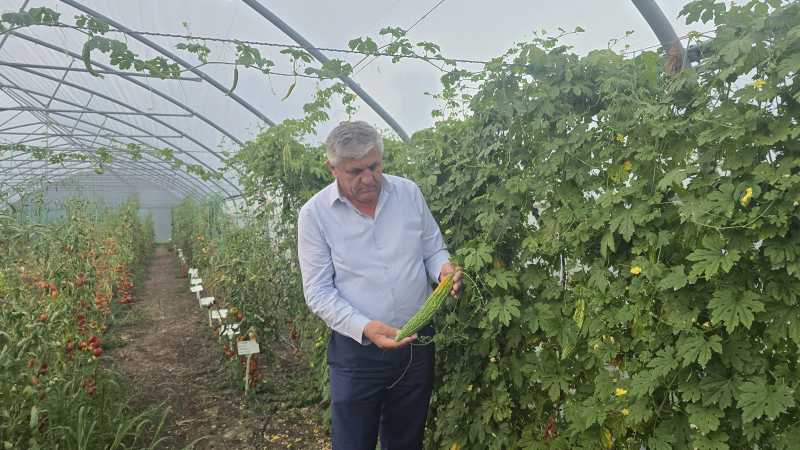
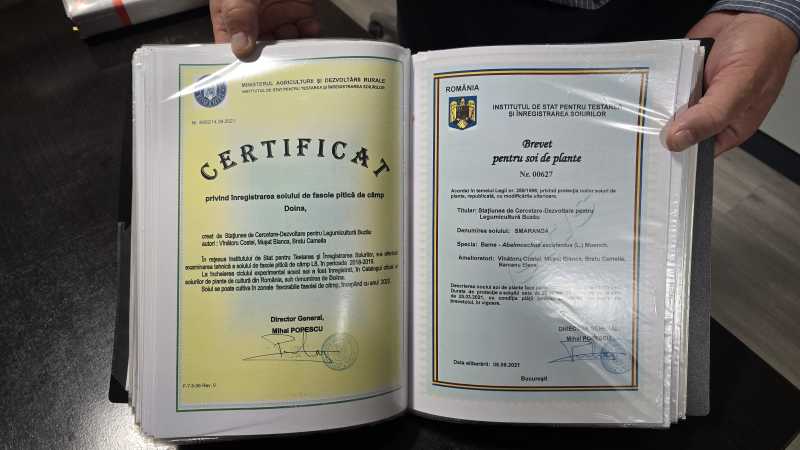
'I have more than 100 patents, mostly for tomatoes, but we have also acclimatised other species to Romania. My research has focused on three areas. The first involves restoring species and varieties that have been neglected in cultivation and preserving and saving our native genetic heritage, particularly older varieties. The second is developing high-performing varieties. The third concerns acclimatising new species that had not previously been grown in Romania,' Costel Vinatoru said.
He went on to describe several plant varieties that have been acclimatised.
FLORIN ZAFIU/AGERPRES PHOTO
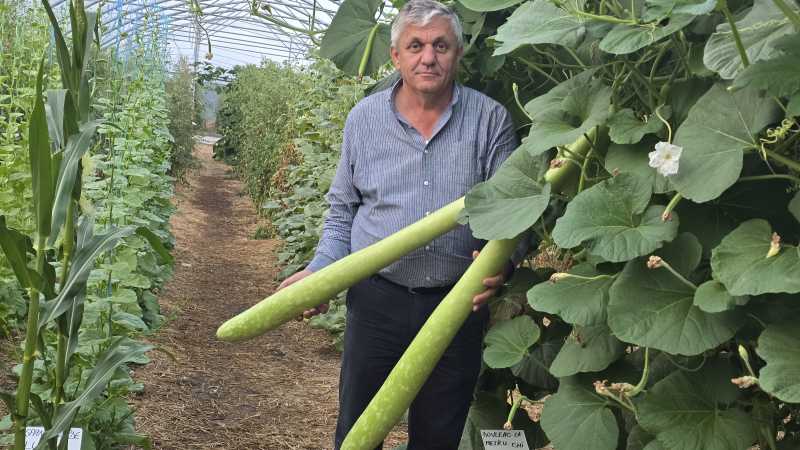
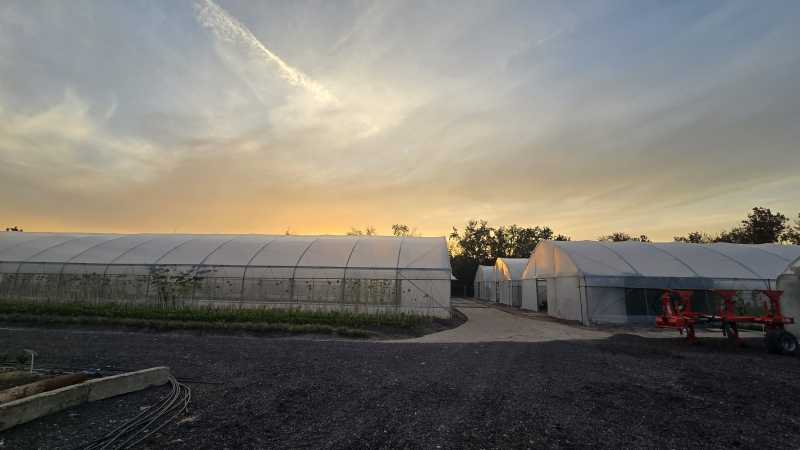
'For example, bitter melon, which is associated with diabetes treatment - we now have four varieties listed in the official catalogue - as well as kiwano, or horned cucumber, and Malabar spinach. More than 20 species have been acclimatised and listed in the official catalogue for the first time in Europe and Romania. We have the first Perilla frutescens variety listed in the European catalogue, as well as the first variety of Sideritis and one of Acmella oleracea. We are pioneers in Europe with these species,' Costel Vinatoru said.
FLORIN ZAFIU/AGERPRES PHOTO
Achieving results in any field, including horticultural research, requires considerable effort and continuous learning.
'To reach this level, you need a great deal of knowledge. You have to understand the soil very well. A good specialist is someone who - perhaps this metaphor is a little far-fetched - knows how to talk to plants. Plants do not speak, but they have their own language, and you need to understand it. A good specialist is someone who ensures that plants' specific needs in terms of growing conditions are met,' explained the director of the Buzau Plant Genetic Resources Bank.
FLORIN ZAFIU/AGERPRES PHOTO
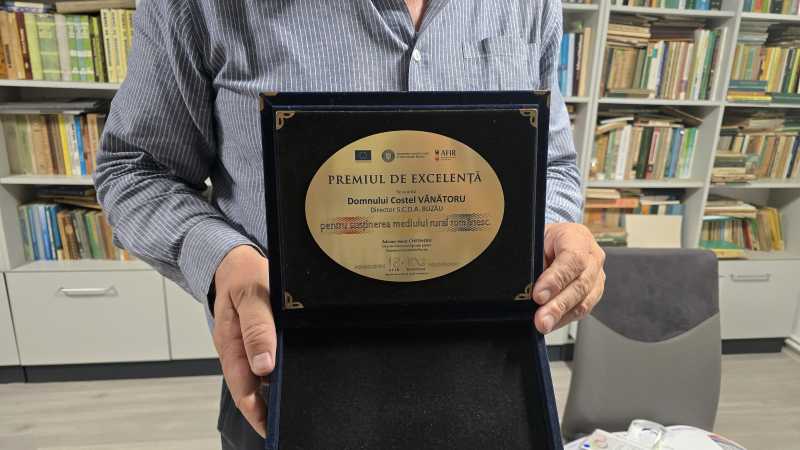
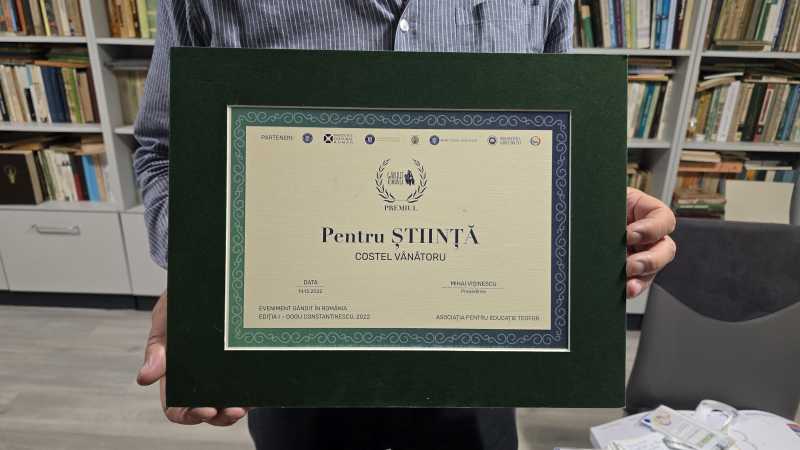
In 2021, he received the Romanian Academy Prize, the third such award to have been brought to Buzau in the past century, following those awarded to scholar Basil Iorgulescu and writer Nicolae Penes. That same year, he also received the prize of the Romanian Academy of Technical Sciences, while in 2020 he was honoured by the Academy of Agricultural and Forestry Sciences. He belongs to numerous national and international professional organisations and has authored more than 200 scientific papers presented at international congresses and scientific sessions.
FLORIN ZAFIU/AGERPRES PHOTO
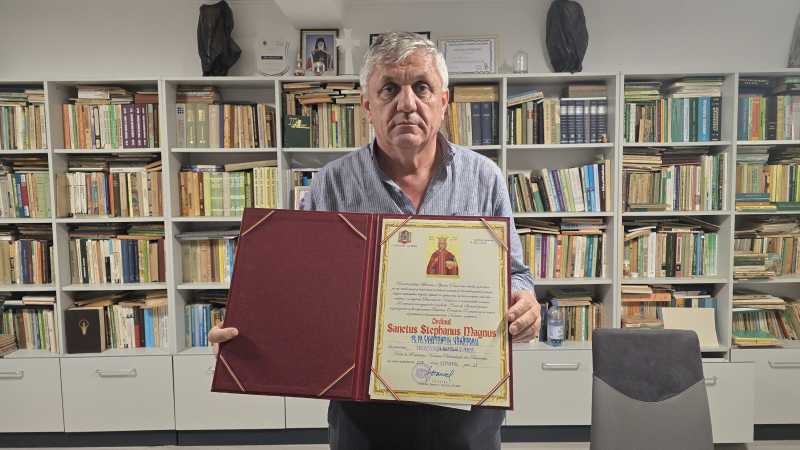
Costel Vinatoru also graduated from the Faculty of Theology and was ordained a priest at the Episcopal Cathedral, where he served from 1996 until 2024, when he began serving at St Spyridon Church in downtown Buzau. In 2002, Patriarch Teoctist awarded him the Patriarchal Cross, and he was granted the title of iconom stavrofor. In 2019, at a ceremonial meeting of the Holy Synod, he received the Sanctus Stephanus Magnus Order and the Cross of St Stephen the Great.
FLORIN ZAFIU/AGERPRES PHOTO
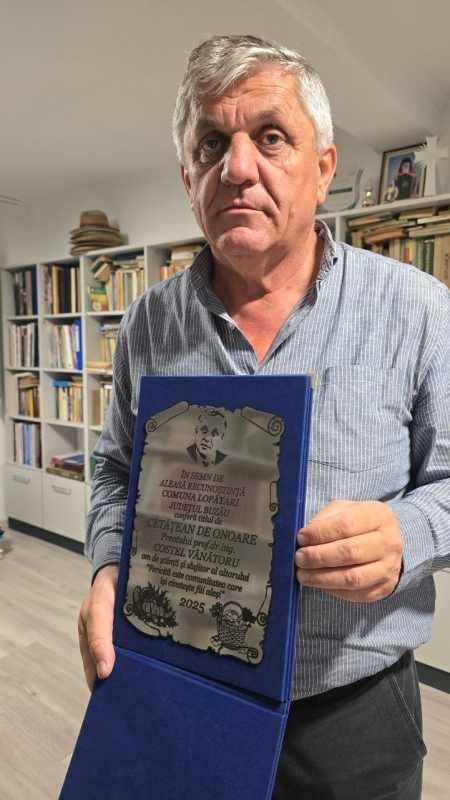
His achievements in horticulture over the years have also attracted recognition abroad, with various companies and organisations expressing interest in collaborating with him on research projects.
FLORIN ZAFIU/AGERPRES PHOTO
'After I graduated and took the entrance examination for doctoral studies, I received two substantial offers. There were few places available in Romania, especially in the fields I was interested in, and the World Bank made me an offer to go to the United States. I received another generous offer from the United States, for five years: one year of language study and four years of academic study. At the time, I was in a difficult situation. I was living in accommodation for unmarried workers, although I was married, and I was tempted to leave. I thought about it, because I did not have a home, but I stayed here,' Vinatoru said.
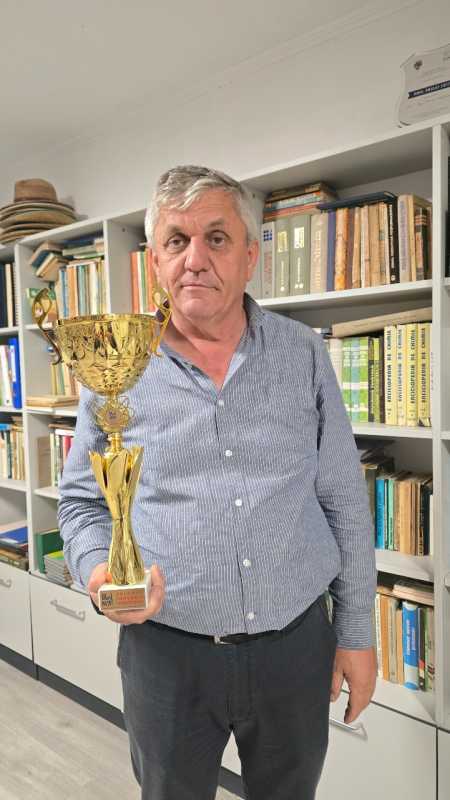
Professional offers from abroad continued to arrive from several countries, including France, Italy and Spain.
FLORIN ZAFIU/AGERPRES PHOTO
'I received several offers from France to go and work in research there. By then, I was already known, particularly because I had managed to build up a fairly large collection, which at the time contained more than 1,000 tomato varieties. We have now managed to increase it to more than 4,000. The offer was very good and, initially, I wanted to accept it and see what it involved. Gradually, however, I abandoned the idea and stayed here. I received offers from foreign companies, but I did not leave,' the Romanian researcher added.
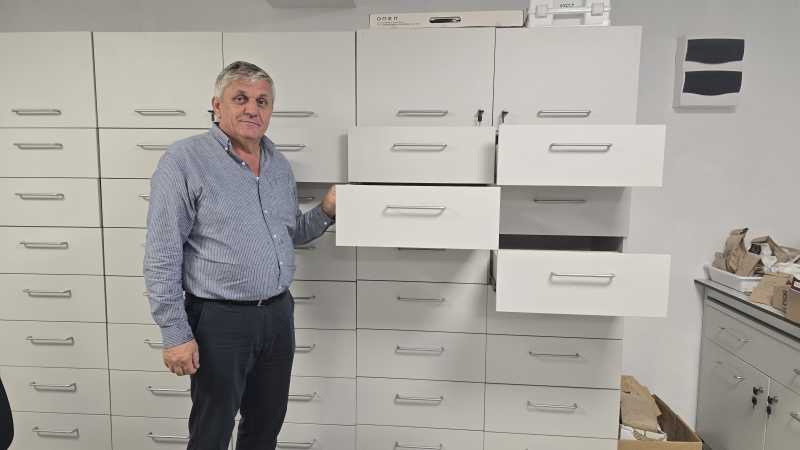
He has also mentored young people in horticulture who now work for international companies.
FLORIN ZAFIU/AGERPRES PHOTO
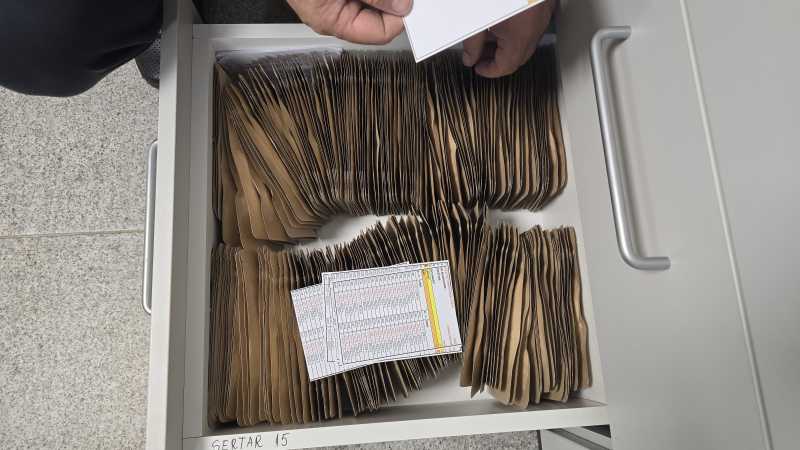
The key to ensuring that the knowledge he has acquired remains in Romania has been, above all, his family, together with his dream of establishing a 'little home for seeds'.
FLORIN ZAFIU/AGERPRES PHOTO
'My dream was to create a ‘little home' for Romanian seeds, this genetic resources bank. We preserve not only seeds, but also their stories. I hoped I would be able to do this, and I have partly succeeded, but there is still a long way to go. We have a great deal of work ahead of us before we can say that Romania's genetic heritage is fully secure,' he stressed.
FLORIN ZAFIU/AGERPRES PHOTO
Researcher Costel Vinatoru believes Romania has considerable potential and is a special country from both a cultural and a spiritual perspective, but people need to learn to see things differently.
FLORIN ZAFIU/AGERPRES PHOTO
'I once visited a country where I saw people travelling great distances to see deer in a park. Here in Buzau, we have deer roaming freely in the park, and we see them from time to time. There is hardly a patch of greenery without a plant that offers some benefit. In my view, we should choose Romania. It is a special country culturally and spiritually. Think of our spiritual heritage, of our Christian roots: historical and spiritual monuments, fortresses, monasteries and places of worship are scattered throughout our country, giving our people their identity.
'I choose Romania because I am Romanian first and foremost. I feel it, I live it, and I want to demonstrate it not through words, but through deeds, through the way I live and through what I do. I could not find my place anywhere else in the world as I do here, where God sowed me. And if I live in harmony here, it would be difficult to acclimatise myself to another part of the world. This is my life's goal: may God help me leave something behind, not out of pride or a desire for praise, but as a testament to the good I have done during my time on this earth,' said Costel Vinatoru, director of the Plant Genetic Resources Bank in Buzau. AGERPRES (RO - writing by: Florin Zafiu; EN - writing by: Cristina Zaharia)
- Category: English
- Date: 2026-10-19 12:17:23
- Foto: FLORIN ZAFIU/AGERPRES PHOTO