

Constantin Brancusi's 'The Prayer', regarded as one of the masterpieces of Romanian sculpture, is on display from 9 to 30 October at the Museum of the Metropolitanate of Moldavia and Bucovina, as part of the exhibition 'The Sacred Feminine: From the Creation of the World to Brancusi's Prayer', organised by the Archdiocese of Iasi in collaboration with the National Museum of Art of Romania.

According to the organisers, the exhibition was set up at the Metropolitan Museum so that it could also be admired by pilgrims visiting the Metropolitanate to venerate the relics of Saint Pious Parascheva.
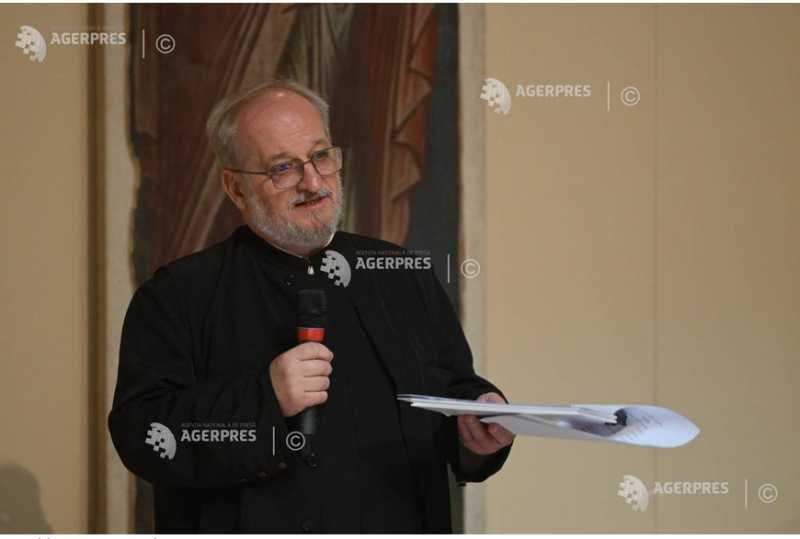
'Constantin Brancusi's sculpture 'The Prayer' has been brought to Iasi to mark the 150th anniversary of the great artist's birth. Those who proposed organising this exhibition wanted to establish a connection between the city of Iasi - a city of prayer - and prayer embodied, prayer made eternal through matter in Brancusi's work. In a city of celebrations, in a year dedicated to the family and to the Christian women commemorated in the calendar, this statue has been brought here to forge a link between art transformed into prayer and the pilgrims' prayer transformed into art,' said Father Cristian Muraru, diocesan inspector.
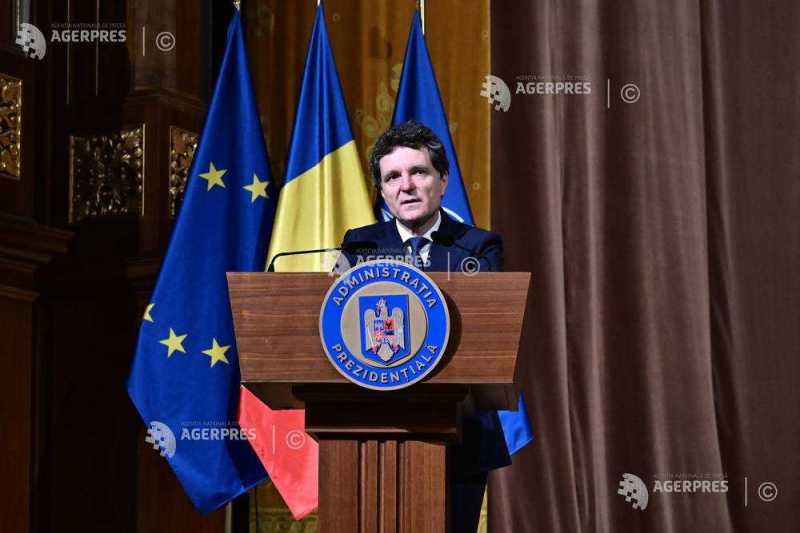
Erwin Kessler, director of the National Museum of Art of Romania, said that 'the transformation into another being, into another form of artistic being, takes place in Brancusi's work starting with this extraordinary sculpture.'

'This is the first time we have presented it to the public from such an elevated vantage point and at such an angle that you can see its face, eyes, nose and almost imperceptible mouth, and realise how important this sculpture is. It was created between 1909 and 1914, when it was delivered to Romania, but in the meantime he also exhibited it several times in Paris and it influenced other artists, such as Modigliani. When you see the statue from this position, you realise this is where 'Mademoiselle Pogany' took shape from a few years later. We are talking about an increasing degree of abstraction. The face is unrecognisable because it does not represent a particular woman. (...) It is the eternal pain and weeping for a loved one who has been lost and cherished. Yet here it anticipates the further abstraction that would become essential to Brancusi's work,' Erwin Kessler told the press.
In his address at the exhibition's opening, His Eminence Teofan, Metropolitan of Moldavia and Bucovina, expressed his gratitude for the efforts made to organise the exhibition and for making it possible to bring Brancusi's 'Prayer' to Iasi, along with other icons and representations of 'the Sacred Feminine.'

'I believe this exhibition is dedicated to the Most Holy Mother of God, to Saint Parascheva, and to everything beautiful in our mothers, sisters and grandmothers, with this beauty embodied in Brancusi's 'Prayer'. (...) Just as you approach Holy Communion with fear of God, with faith and with love, so do pilgrims approach Saint Parascheva's reliquary, while your inner gaze rests before 'The Prayer' created by Brancusi. A heartfelt 'thank you'. Thank you for the effort, courage and trust you have shown towards us, who are beginners in the world of museums. These made it possible to bring Brancusi's 'Prayer' here, along with other forms and representations of 'the Sacred Feminine', the oldest statuette in the exhibition being 7,000 years old,' Metropolitan Teofan said.
According to the organisers, 'The Prayer' emerged from a story of love and grief that unfolded in the early 20th century. Following the premature death of her husband, Eliza Stanescu commissioned Constantin Brancusi to create a funerary monument. The artist envisioned a kneeling woman, overwhelmed by suffering, yet composed into a silence that opens to prayer. The work marks an important stage in Brancusi's departure from classical representation and his search for the essence of things. AGERPRES (RO - writing by: Daniela Malache; EN - writing by: Simona Klodnischi)
- Category: English
- Date: 2026-10-09 19:54:30
- Foto: Adrian CUBA / AGERPRES Photo