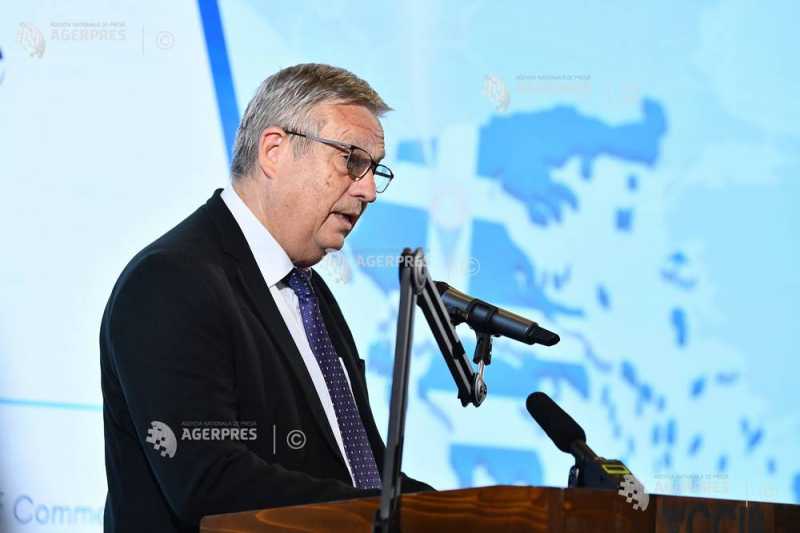

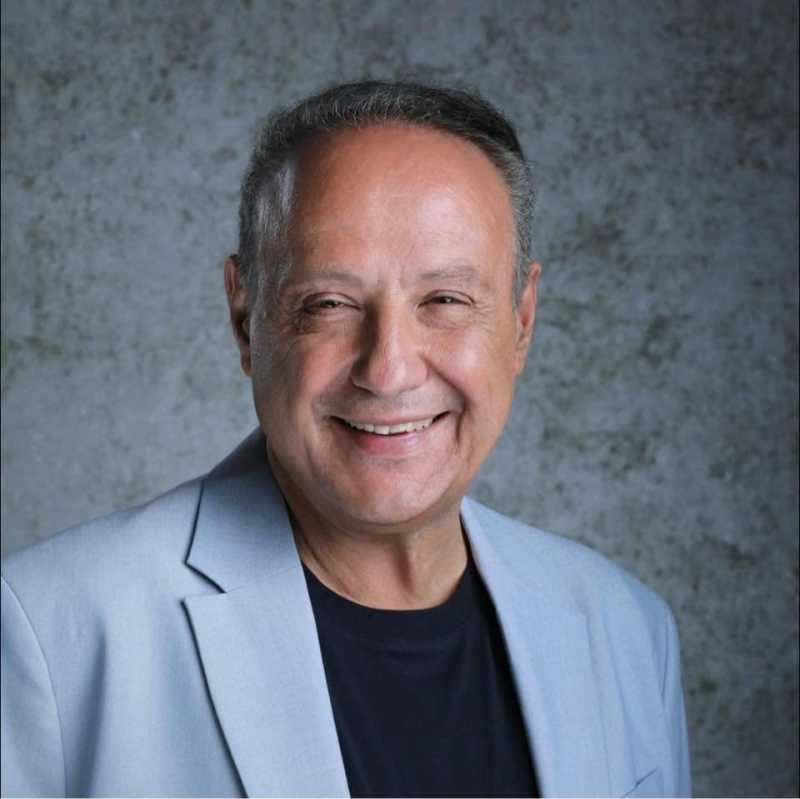
Romania is already a very important market for Thessaloniki, with Romanian tourists generating 92,955 overnight stays in the city in 2025, putting Romania in sixth place among the city's international markets, Thessaloniki Mayor Stelios Angeloudis said on Thursday while visiting Bucharest.
'Romania is already very important for Thessaloniki. There is a close relationship between our countries, a significant flow of people in both directions and, of course, a very important connection in tourism. According to our data, Romanian visitors generated 92,955 overnight stays in Thessaloniki in 2025, making Romania the sixth most important international market for our city. But we believe there is much greater potential. We want more Romanian visitors to discover the city of Thessaloniki itself, and we want them to discover the city throughout the year,' Stelios Angeloudis said at a meeting with Romanian journalists.
The mayor of Thessaloniki presented the 'Destination Thessaloniki' initiative in Bucharest, through which the municipality seeks to promote the city not only as a tourist destination, but also as an economic, business and innovation centre for South-Eastern Europe.
According to Angeloudis, Thessaloniki's strategic position and connectivity are among the city's main assets. Its port, airport and road and rail links give the city an important role in transport, trade and logistics, connecting northern Greece with the Balkans and European markets.
'Thessaloniki is the second-largest city in Greece and the main metropolitan centre of northern Greece. But we believe its role goes much further than that. Our ambition is to strengthen Thessaloniki's position as an important economic, business and innovation centre for South-Eastern Europe,' Angeloudis said.
He also referred to the development of the city's innovation ecosystem, which brings together universities, research institutions, start-ups and international companies. The municipality is seeking to attract investment and talent and create new opportunities for young people.
'Thessaloniki is one of Greece's main academic centres. Thousands of students give the city a distinctive energy, while our universities and research institutions are important partners in innovation, entrepreneurship and international cooperation,' the mayor said.
As regards tourism, the municipality's objective is for Thessaloniki to strengthen its status as a year-round European destination, as well as a city for conferences, international events and business meetings.
Angeloudis highlighted the city's historical heritage, which allows visitors to discover '2,300 years of history in a space that can be explored on foot', as well as its Roman, Byzantine, Ottoman and Jewish heritage. Thessaloniki has 15 early Christian and Byzantine monuments included on the UNESCO World Heritage List and has close links with Mount Athos.
At the same time, the city is presented as a contemporary destination, offering access to the sea, universities, gastronomy, festivals, nightlife and cultural events.
'We want more Romanian visitors to discover Thessaloniki itself, and we want them to discover the city throughout the year,' the mayor reiterated.
Bucharest was chosen as the first international destination for the new 'Destination Thessaloniki' initiative, Angeloudis said. Through the initiative, the municipality seeks to present the city's complete identity and promote it as a place for visiting, studying, business meetings, investment and the development of projects.
'And, very importantly, we see our relationship with Romania as a two-way relationship. We want more Romanians to visit Thessaloniki, but we also want more people from Thessaloniki and northern Greece to discover Bucharest and Romania,' the mayor said.
During the visit to Bucharest, representatives of Thessaloniki are scheduled to meet with the Mayor of Bucharest, the Greek business community, representatives of institutions and the Greek community, as well as Patriarch Daniel.
The discussions will focus on opportunities in tourism, connectivity and logistics, business and investment, innovation, universities and culture, as well as the exchange of experience between the two cities in areas such as mobility, infrastructure, public spaces and sustainable urban development.
'Our objective is for Thessaloniki and Bucharest to get to know each other better, connect their ecosystems and work more closely together,' the mayor said.
He added that the visit should not remain an isolated event, but should mark the beginning of a relationship that continues through the institutions, companies and universities of the two cities and, above all, through their people. AGERPRES (RO - writing by: George Banciulea; EN - writing by: Cristina Zaharia)
- Category: English
- Date: 2026-09-24 14:56:04
- Foto: Stelios Angeloudis/ Facebook