
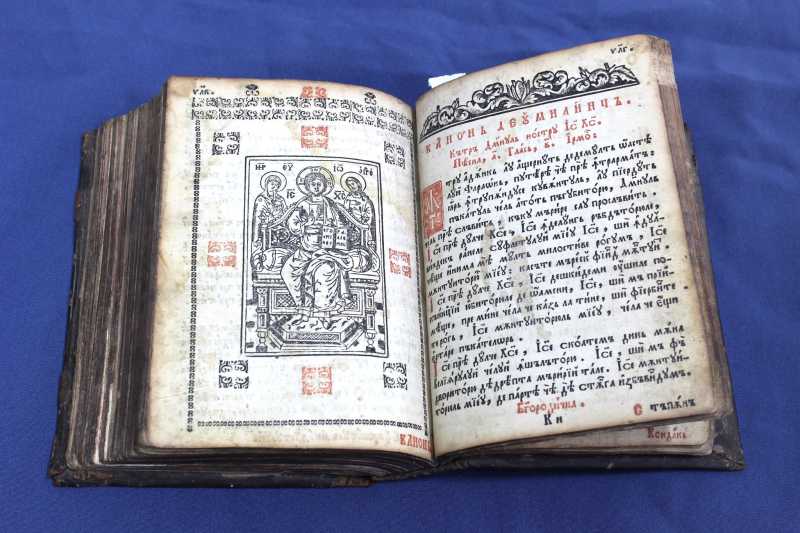
The Horologium printed in Targoviste in 1715, during the tenure of Antim Ivireanul, the Orthodox Metropolitan of Wallachia, is the exhibit of the month being presented to tourists and visitors, museum curator Marius Campeanu of the Maramures County Museum of History and Archaeology said on Tuesday.
According to him, the Horologium is a particularly valuable item from the museum's collection of old Romanian books of heritage value.
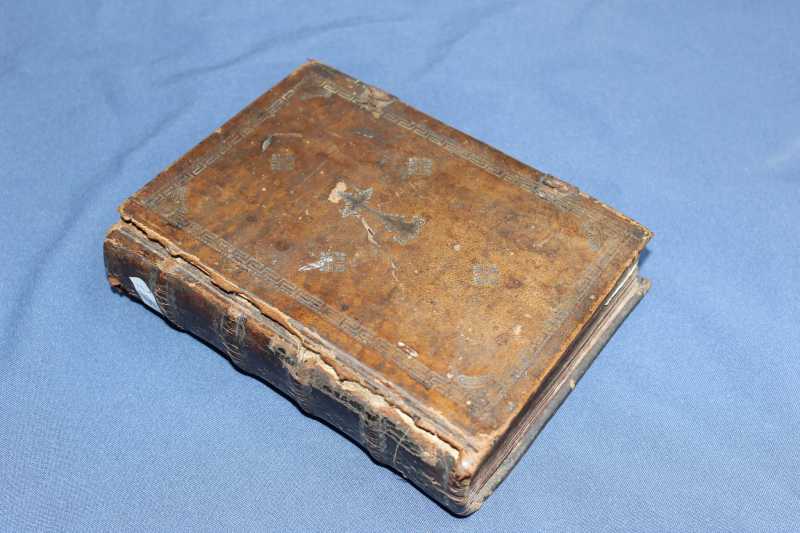
'The Horologium was printed at the metropolitan printing press in Targoviste by printer Gheorghe Radovici. This edition is the first translation of this church book into Romanian. According to the foreword written on the unnumbered pages, the work was dedicated by the hierarch to Voivode Stefan Cantacuzino, who provided financial support for the publication of important religious books that contributed to Romanian culture, including the Bucharest Bible of 1688,' Marius Campeanu said.
The book has more than 500 pages and the coat of arms of Wallachia was printed on the reverse of the title page.
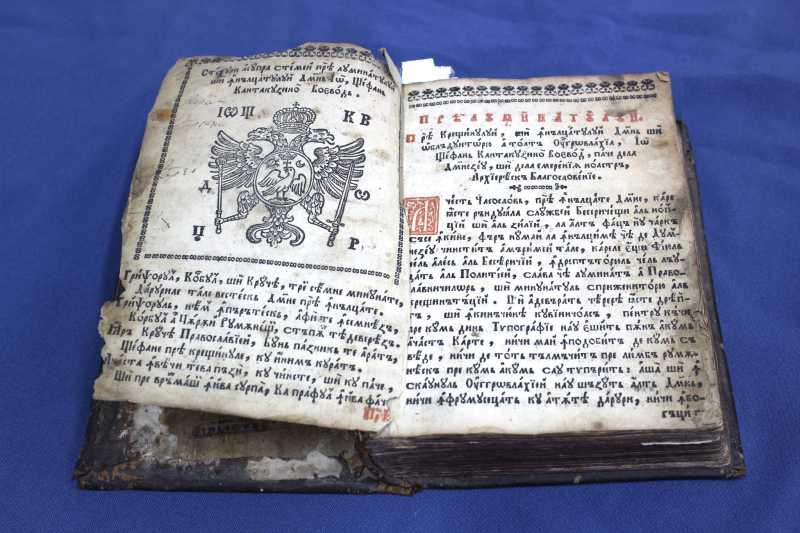
'From a typographical point of view, we note that the pagination of the exhibited Horologium consists of three unnumbered leaves and 506 numbered pages. The text is printed in black and red, with 26 lines per column. The title page is enclosed in a simple border decorated with floral ornaments at the top. On the reverse of the title page is the coat of arms of Wallachia, bearing the initials 'Io S C V' (Ioan Stefan Cantacuzino Voievod) at the top and 'D O T R' (Domnul Tarii Romanesti - Ruler of Wallachia) at the bottom. In principle, the Horologium is a liturgical book containing prayers and hymns for different hours of the day. In the early days of Romanian confessional education, it also served as a primer and was used for teaching the Romanian language. In Maramures County, according to historian Aurel Socolan, there were six copies of the Ivirean Horologium printed in Targoviste in 1984,' Marius Campeanu also said.
He added that the volume is in good condition.
The Maramures County Museum of History and Archaeology is the third most visited tourist attraction in the county, after the Mineralogy Museum and the Village Museum in Baia Mare. AGERPRES (RO - writing by: Leontin Cupar; EN - writing by: Adina Panaitescu)
- Category: English
- Date: 2026-08-11 11:43:03
- Foto: Muzeul Județean de Istorie și Arheologie Maramureș/facebook.com