
An endemic plant species, Astragalus pseudopurpureus, commonly known as the Bicaz milkvetch, found nowhere else in the world, survives in a habitat of only about 50 square metres in the Bicaz Gorges-Sugau Gorges area, with most specimens found in Neamt County.
The director of the Bicaz Gorges-Hasmas National Park, Hegyi Barna, told AGERPRES on Monday that the plant was discovered and officially described as a new species by botanist Mihail Gusuleac in 1932 and is a local endemic, meaning it does not occur anywhere else in the world.
According to him, part of the plant's habitat lies within the national park, while the rest is located in a Natura 2000 site protected by law.

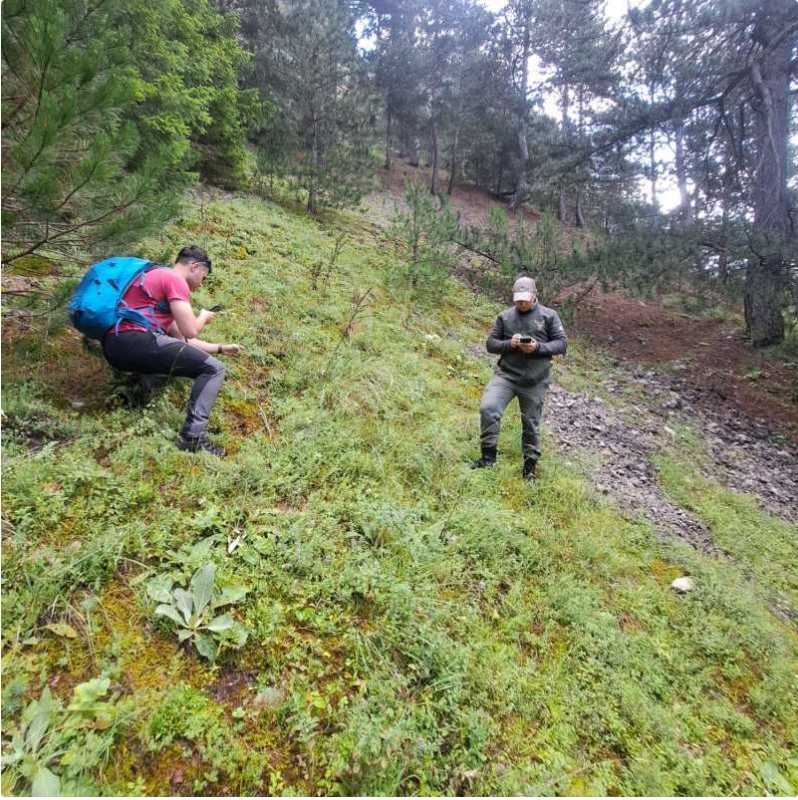
Each year, park specialists closely monitor the population and watch for any changes to its habitat that could threaten its survival.
This year, monitoring was carried out on a sample area of about 20 square metres, with the number of identified specimens similar to that recorded in previous years.
Data show that around 300 specimens grow across the species' entire 50-square-metre habitat.
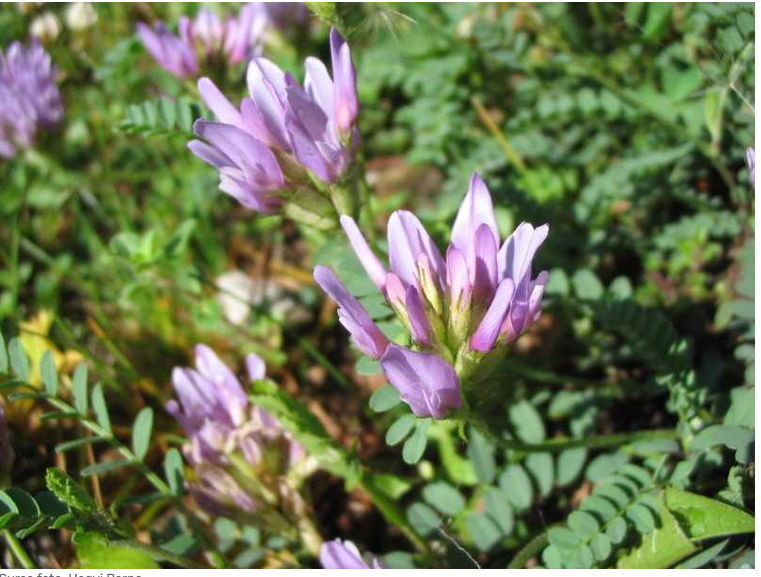
The Bicaz milkvetch is a small plant with blue-violet flowers and belongs to the Fabaceae family, which also includes lentils, beans, chickpeas and peas.
In Hegyi Barna's view, the fact that the plant is not particularly striking has helped ensure its survival, as it has not attracted the attention of tourists who might otherwise have picked it.
According to the park director, one of the main threats to the species is habitat change. The plant grows on rocky scree slopes, and the expansion of forest vegetation could shade the areas where it develops.
As the area is also a tourist destination, there is a risk that footpaths could be created across the plant's habitat, something specialists are monitoring closely.
Hegyi Barna said the park administration does not intend to install warning signs, in order to avoid encouraging people to uproot the plants for transplantation elsewhere.
For the time being, he said, no threats to the species have been identified.
If trees begin to encroach on the plant's habitat, action will be taken to remove them as part of the habitat's active management.
Hegyi Barna stressed that the species is important precisely because it exists nowhere else in the world and must therefore be protected.
'It is a species that evolved here, locally, in this area. It would be a great loss if it were to disappear. It is part of nature, created by God, and we should not wipe it out through lack of care, negligence or, at times, malice. More often than not, however, it is neglect and indifference, because it has no economic value and is of no interest to most people,' Hegyi Barna said.
The Hasmas-Bicaz Gorges National Park, located in the Hasmas Mountains across Harghita and Neamt counties, is also home to other rare and protected species, including the lady's slipper orchid (Cypripedium calceolus) and several iris species, which are monitored annually by the park administration. AGERPRES (RO - writing by Gina Stefan; EN - writing by Simona Iacob)
- Category: English
- Date: 2026-08-10 16:02:15
- Foto: Hegyi Barna