
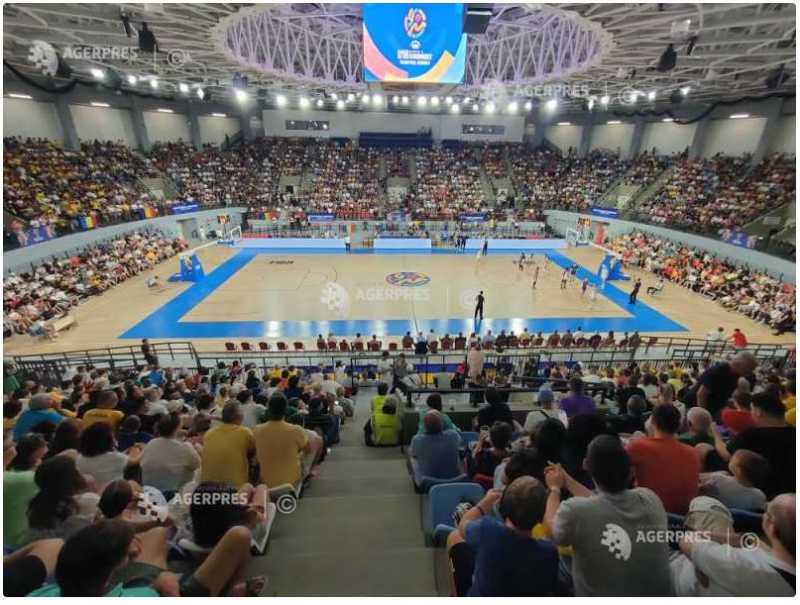
The U18 Women's European Basketball Championship, which opened the doors of the new Danubius Arena - a major investment completed in recent years by the Tulcea County Council - has become far more than a sporting event. For organizers, it is a chance to spot new talent; for players and spectators, an occasion to create lasting memories; and, in the words of FIBA Europe's executive director Kamil Novak, a sign that 'something good is happening', despite the war Russia continues to wage in neighboring Ukraine.
Novak told AGERPRES that FIBA Europe organizes summer tournaments every year for various age categories, for both girls and boys, giving young athletes the chance to represent their countries, reach their full potential, and ultimately become role models.
'It is a match for their lives. For us, it is at the same time important to discover young talents, and these will become role models for other generations. This tournament is special because it takes place in a special hall, and for most of the players it is the best arena they have ever been in,' Novak said.
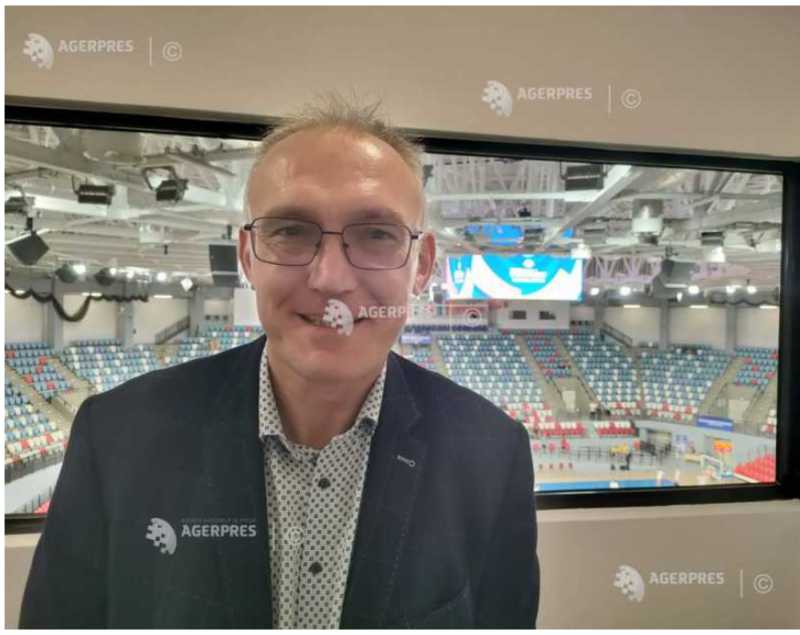
He noted that the Tulcea tournament brings together 20 Division B teams and emphasized how vital high-quality infrastructure is for a community.
'In a few days, the tournament here will end, but this infrastructure will last for decades. It can be used not only for basketball. The more than 4,000 spectators who were here today will have concerts, congresses, and anything they want. This facility is a legacy of our championship, but also for this region. I don't want to say it is unique, but it is special. I am very happy that something big remains here, for the country, the region, and the city, and we can truly say it makes sense,' he added.
Novak also referred to the RO-ALERT messages that were sent even during games.
'We are in a very challenging period, and I believe that despite this - I don't do politics, I am in executive functions - these messages are a kind of sign that, despite being close to a region facing terrible problems, something good is happening,' he concluded.
The 20 participating teams played in the two basketball halls of Danubius Arena, a modern complex offering European-level conditions for ball sports. Romania's matches, all victories, drew over 4,000 spectators - far more than other games, although those too were followed passionately by fans.
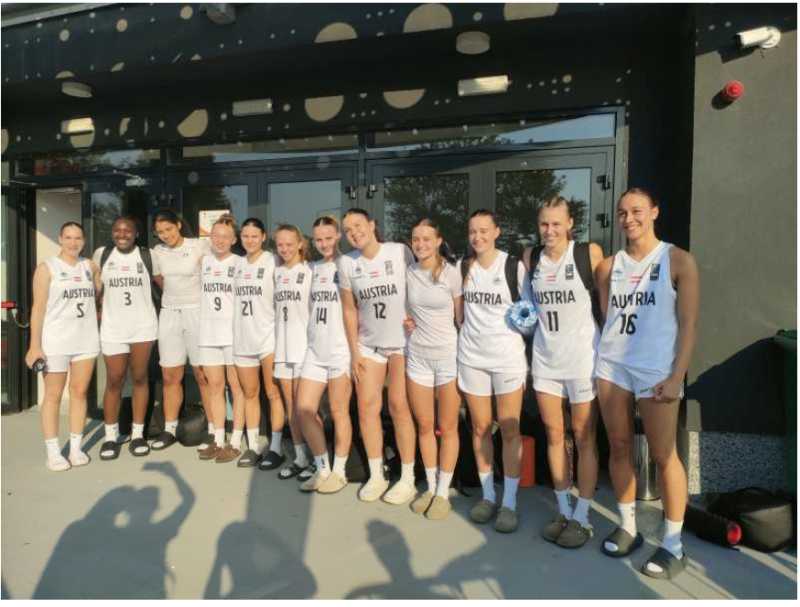
Seventeen-year-old Maria Brunner of Austria said after a tough match against Lithuania: 'Lithuania has a very strong team and it was a difficult game for us. But the coaches told us we did very well, and it was wonderful.'
Her team also visited the Danube Delta, though alongside pleasant memories, some teammates had unsettling experiences.
'We received RO-ALERT messages. People at the hotel told us what to do and assured us there was no reason to worry, because the war is in Ukraine and does not affect Romania. But the first time we got the message, it was harsh and scary. I am sure we are safe here and have no reason to worry. (...) I want my friends to have a voice, because I noticed some people here are very friendly. But we also faced a lot of discrimination and racism, and many - especially boys - speak very badly and racist. I want racism to be discussed and the racial problem to be acknowledged. We were walking down the street and three boys said 'look at that black girl!' It wasn't the first time. If it happens repeatedly in different parts of the world, that's not a reason to avoid talking about it. We should do something if we can, and then focus on the same problem elsewhere,' Brunner said.
The Tulcea tournament also honored the county's 'golden generation' of basketball-players who later became coaches or moved on from the sport. They were celebrated with golden basketballs by the Romanian federation and featured in the trophy displays in Danubius Arena's lobby.
Mihaela Grecu, coach at CSS Tulcea and technical director of the Romanian Basketball Federation Regional Branch No. 9, presented the legendary team that began in the 1980s under coaches Mioara and Mircea Kosa: 'This is the CSS Tulcea team we played with - Flori Nichitov, number 10; Doina Tocala, number 13.'
She recalled that Tulcea hosted international friendly tournaments in 1989, 1991, and 1999, and even a European cadet final, giving the new arena a historical foundation.
'These are my 36 years, plus my coaches Mircea and Mioara Kosa, who began in the 1970s - 1980s. They had many national finals, and we are the first athletes of the golden generation, which is why we received golden balls. We also have photos of the current national team, and of the FRB president, and of our boys in the national squad - Dan Teodor Constantin and David Tudorache. These are our trophies and our years of work,' Grecu said.
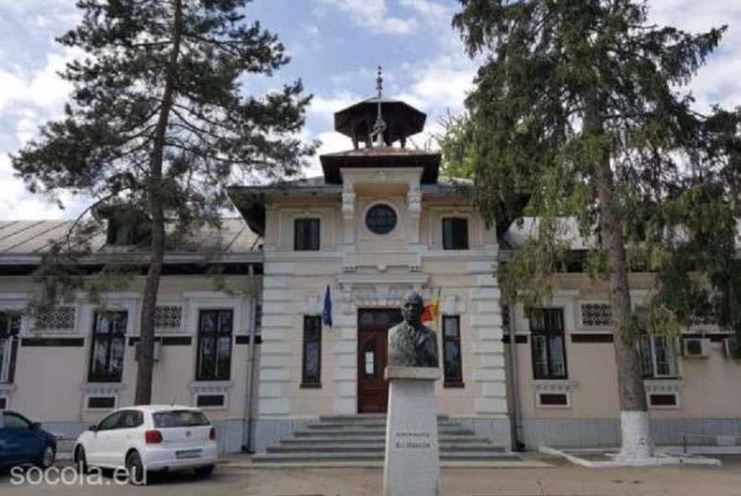
According to Gheorghe Stan's Pages from the History of Tulcea Sports, the promoter of basketball in the county was professor Dumitru Andreev, a former Division A player who founded Tulcea's senior team in 1968. During the FIBA tournament, the sports hall where he trained his first students was officially named after him.
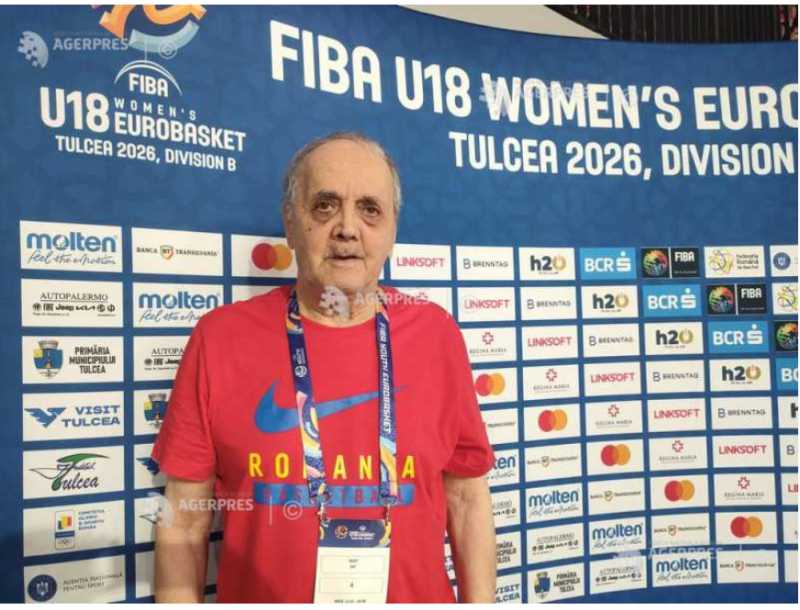
'I started basketball at 15, but I didn't think I would become a coach. My achievement is that a former player became president of the FRB. For Tulcea, it is enormous. I was enormously surprised by such an initiative. It was overwhelming. Not everyone gets their name on a school sports hall,' Andreev said.
For many former Tulcea players, the new arena felt almost unreal, 'like stepping into another world'. For professional athletes, Danubius Arena offers conditions comparable to official international competitions, promising many future events and spectacles.
FRB president Carmen Tocala said Tulcea will next host the senior national team on the 30th, in a qualifying match for the 2029 European Championship against Denmark. She emphasized promoting Romania and the Danube Delta: 'We came here for the wonderful Delta, for the wonderful land this country has. If we, citizens, do nothing, who will?'
In this context, the RO-ALERT messages triggered by the war in Ukraine seemed almost secondary.
'The players were not very scared. After all, we are in a conflict zone. I'm glad that, through these messages, they realized they are not in a war zone. On the other hand, we created memories. In 50 years, they will tell their children and grandchildren how they were in a conflict area, how the messages sounded, and how close the war was. We managed to create another kind of memory - stories you tell your children,' Tocala said.
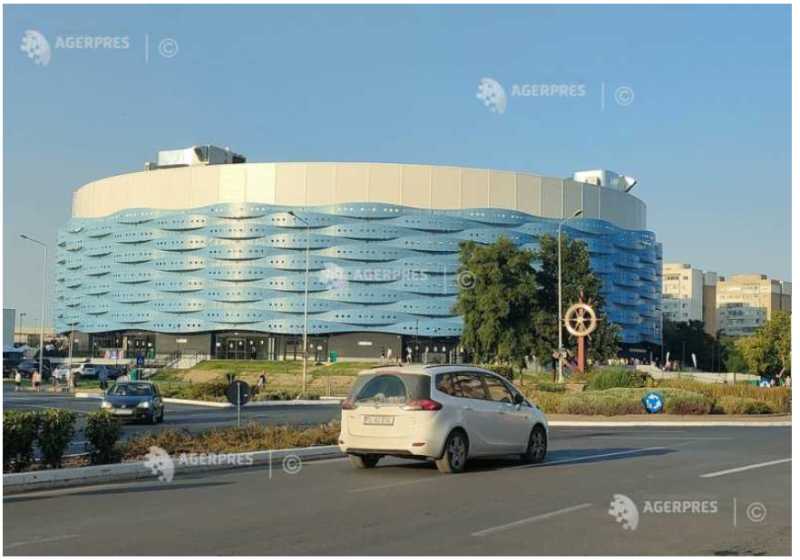
Danubius Arena - formerly Tulcea's multipurpose hall - covers over 15,000 square meters, seats more than 4,000 spectators, and includes modern facilities such as an underground parking lot, team and official locker rooms, media spaces, and all necessary competition areas. The County Council invested around 25 million euros in the project, which can host basketball, volleyball, and handball.
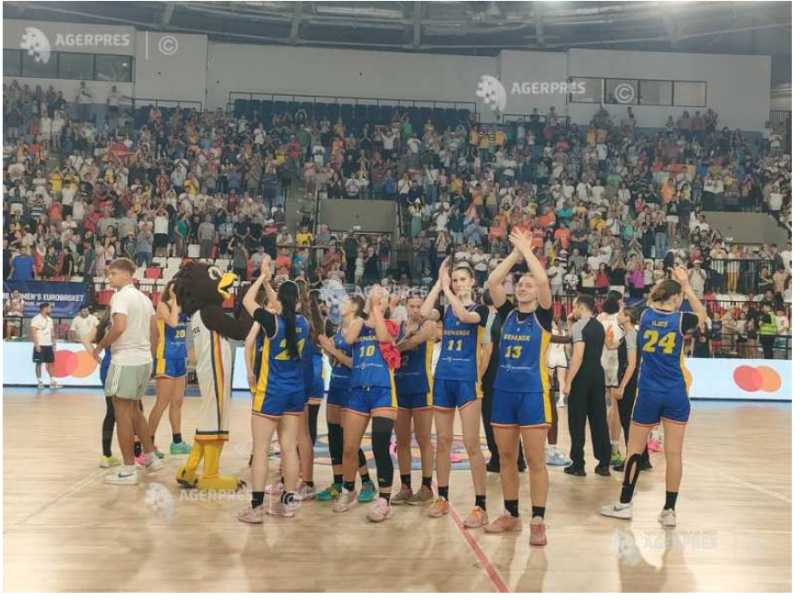
Romania's U18 team has won all its matches and will return before the public on Friday at 18:00, facing Bulgaria. AGERPRES (RO - writing by: Luisiana Bigea; EN - writing by: Simona Klodnischi)
- Category: English
- Date: 2026-08-06 17:07:56
- Foto: Luisiana BIGEA / AGERPRES Photo