
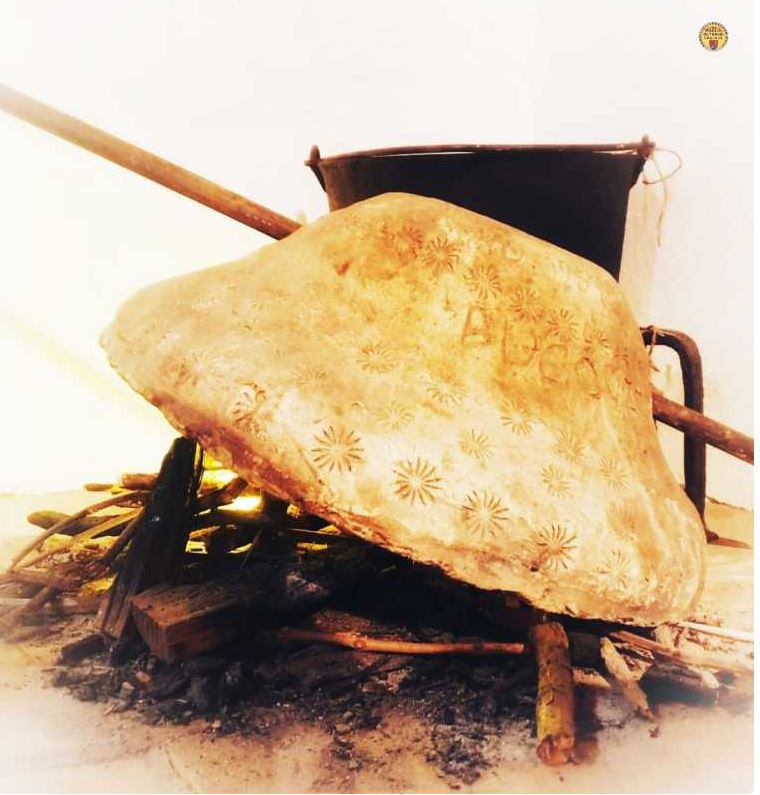
The Dolj County Council launched on Wednesday the multi-annual cultural project 'The Culture of the Clay Baking Dome in Oltenia', aiming to secure recognition and protection for traditional techniques of making and using the 'test' - the clay dome used for baking bread. The first objective is to register these practices in the National Registry of Intangible Cultural Heritage, as a preliminary step toward a UNESCO nomination.
The project, implemented by the Dolj County Centre for Culture and Arts and the Oltenia Museum, involves scientific research, documentation and a broad programme of education, promotion and revitalisation of traditions linked to the 'test' and regional gastronomy. Partners include the Craiova Food Industry High School and the 'Curaj Înainte' Association.
Dolj County Council president Cosmin Vasile said the initiative continues the county's strategy of promoting local heritage internationally, recalling the UNESCO listing of Horezu ceramics, the Calus male folk dance ritual, and the art of sewing the Romanian top-sleeve embroidery blouse, as well as ongoing efforts to include Oltenian semi-fortified tower houses 'cule' in the World Heritage List.
According to Vasile, clay dome-baked bread and its associated traditions are an identity marker that must be passed on to future generations.
'Today, one of the oldest bread-making methods in Oltenian households begins its path toward the gallery that already includes Horezu ceramics, the Calus ritual, and the art of the Romanian blouse, listed in UNESCO thanks to specialists at the Oltenia Museum,' Vasile said. He added that the Dolj County Council has strengthened cooperation with the Ministry of Culture and the National Heritage Institute to support the inclusion of Oltenian 'cule' in UNESCO, after restoring those in Brabova and Cernatesti with EU funds. Cultural events such as the Brabova Traditional Music Festival and a film festival in Cernatesti were developed around these monuments.
The launch event was attended by Ioana Baskerville, president of the National Commission for Safeguarding Intangible Cultural Heritage and UNESCO expert, along with representatives of partner institutions and the 'Curaj Înainte' Association.
A team of museum specialists, researchers and ethnographers is currently conducting fieldwork in several localities across Dolj and the wider Oltenia region where the craft of making the 'test' is still preserved. Documentation includes interviews, documentary filming and the collection of historical information required for the national heritage file.
In parallel, the project will feature culinary demonstrations, workshops, summer schools, conferences, competitions and travelling exhibitions, all aimed at promoting 'test' culture and supporting Romania's long-term bid to include this element in the UNESCO Representative List of the Intangible Cultural Heritage of Humanity. AGERPRES (RO - writing by: Maria Mitrica; EN - writing by: Simona Klodnischi)
- Category: English
- Date: 2026-08-05 21:19:34
- Foto: Muzeul Olteniei / Facebook