
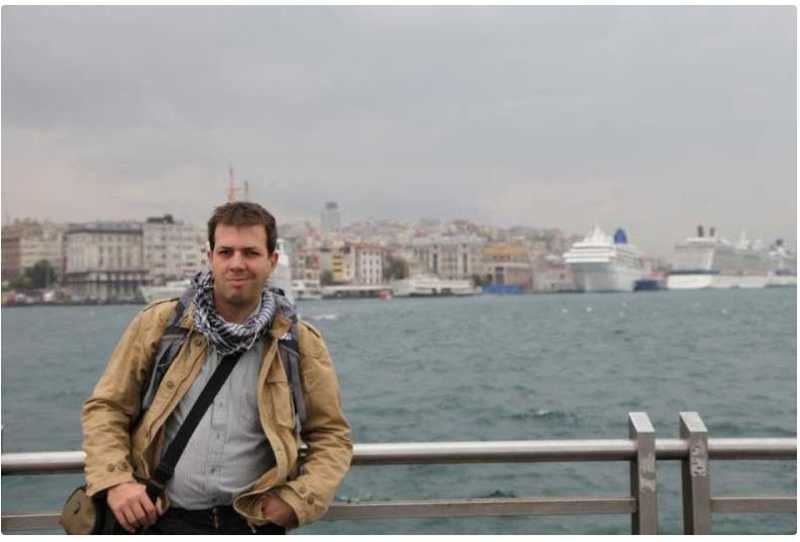
Nearly fifteen years ago, geographer Karda Zoltan left his hometown of Sfantu Gheorghe with a backpack and a desire to see the world beyond maps, encyclopedias and photo albums. Fascinated since childhood by the history of great civilizations and by explorers' journeys, he set out to discover for himself the places he had only read about.
In 2010, he reached India, retracing the path of Orientalist Korösi Csoma Sándor - regarded as the author of the first English-Tibetan dictionary - born in Korös, then part of the Grand Principality of Transylvania and today in Covasna County. In his luggage, Karda carried a handful of soil from the scholar's native village, which he scattered on Csoma's grave in Darjeeling, a symbolic gesture meant to link two worlds separated by thousands of kilometres.
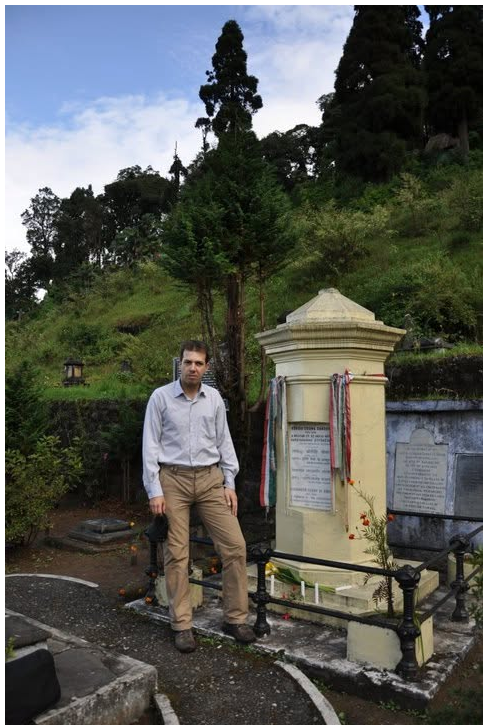
Photo credit: Karda Zoltan / Facebook
Two years later, he travelled the Silk Road, stopping in the ancient trading centres that once linked Europe and Asia, driven by a desire to honour his ancestors - Armenian merchants who had journeyed the same route.
In 2013, he set out along the Nile, following the trail of English explorer Samuel Baker and his wife, Flora Sass, born into a Székely family in Sfantu Gheorghe. Other expeditions across several continents followed, tracing the paths of figures and civilizations that had long fascinated him, including the Mongol ruler Timur Lenk, the great-great-grandson of Genghis Khan and one of history's most fearsome leaders.
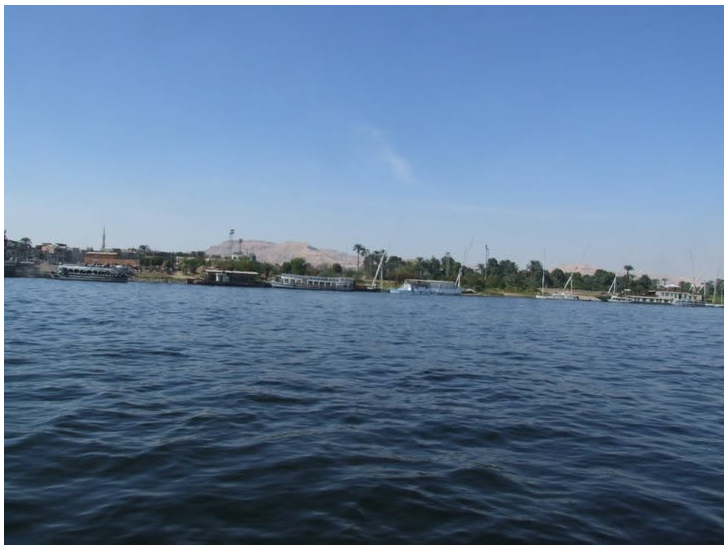
Photo credit: Karda Zoltan / Facebook
From each journey he returned with hundreds of photographs, stories and memories - images that stayed with him for life.
In Africa and the Middle East, he saw cities shattered by war, historic monuments reduced to ruins, and communities struggling without water or food - realities that changed the way he viewed the world, his homeland and his own responsibility for the future.
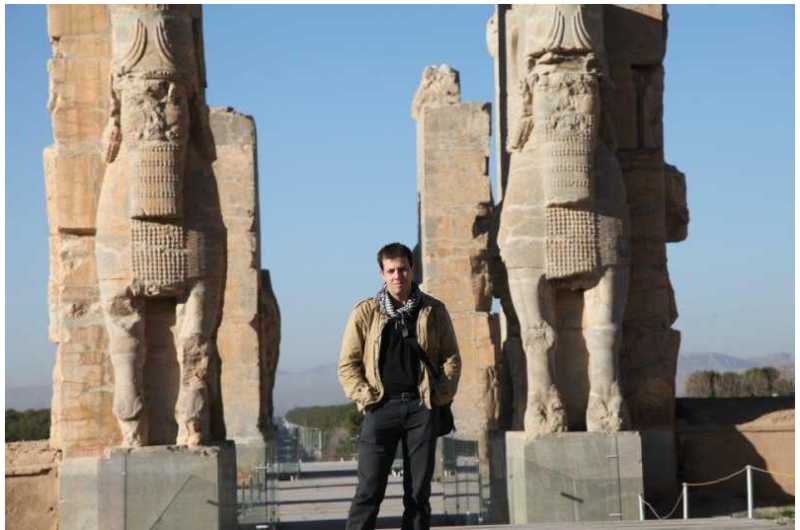
Photo credit: Karda Zoltan / Facebook
'Having travelled around 70 countries on the world map, African and Asian countries, I realized that the most beautiful country, and the most beautiful place on the world map are Romania and Transylvania. I would never leave from here. (...) Although I had two very interesting hobbies, photographing ancient Orthodox iconography from the East and Africa and ancient cultures and civilizations, in all countries I also looked at the environment and the quality of life that people have there. And I can tell you hand on my heart that we live well and beautifully. Unfortunately, we aren't even aware of how good our life is. (...) For example, in approximately 50 countries in Asia and Africa, the lack of water is an extraordinarily big problem, while we don't take care of our streams, we don't take care of those aquatic habitats we have, we don't take care of the environment. We squander. (...) We have everything, we don't even know how rich we are and how fulfilled we should feel,' Karda Zoltan told AGERPRES.
Water, forests, landscapes, tranquillity - all these could disappear one day if they are not protected, he warns. That is why, after years spent on the world's roads, he chose to invest at home in a project he hopes will endure, convinced that the most valuable legacy is not material wealth but nature and education.
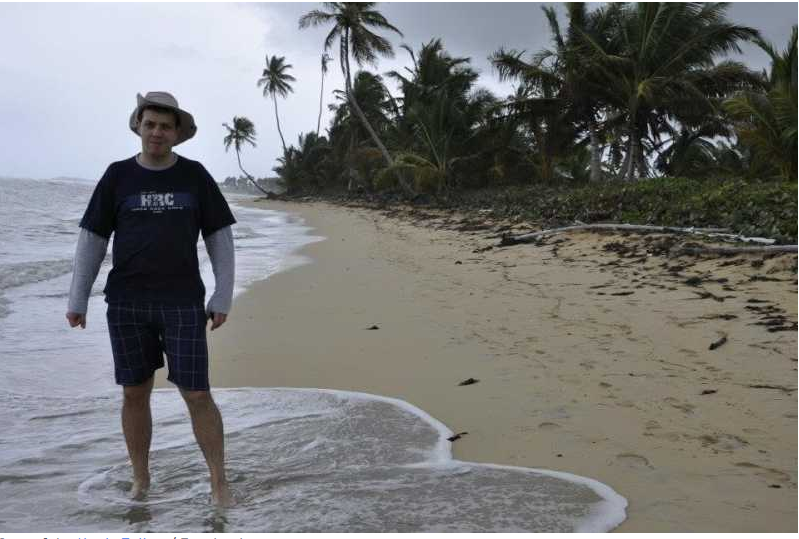
Photo credit: Karda Zoltan / Facebook
Karda Zoltan has laid the foundations of a botanical garden on the outskirts of Sfantu Gheorghe, planned to cover roughly 6,000 square metres. The project aims to preserve plant species native to the Carpathian Bend and to give children the chance to learn about nature directly in its midst - to plant, explore and spend time freely, away from screens.
'This area, Western Simeria, is very rich in plant and animal species strictly protected nationally and at European level. We have two black stork nests about 500 metres from the town's edge, around 20 families of Vipera berus, and three Ural owl nests,' said Karda Zoltan.
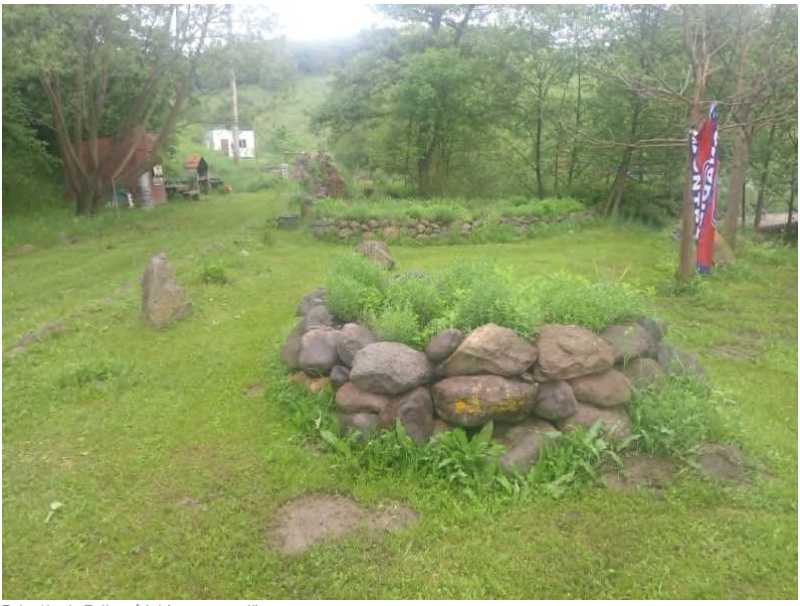
Photo credit: Karda Zoltan's personal archive
The site was originally a swamp, which he drained before creating a lake of roughly 1,000 square metres.
'The lake attracted animals closely tied to aquatic habitats - hedgehogs, salamanders. As we planted trees and interesting species over the past ten years, birds appeared. Now, in Simeria and the surrounding forests, there are about 50 bird species protected nationally or strictly protected at European level. It's an extraordinary wealth of flora and fauna. (...) This year we'll plant again. We wrote to several botanical gardens worldwide and received replies from four in Hungary, two in California and one in Romania. They will send seeds and roots. We've already made a list of species and hope to complete part of the planting this year, and open the botanical garden next spring,' he explained.
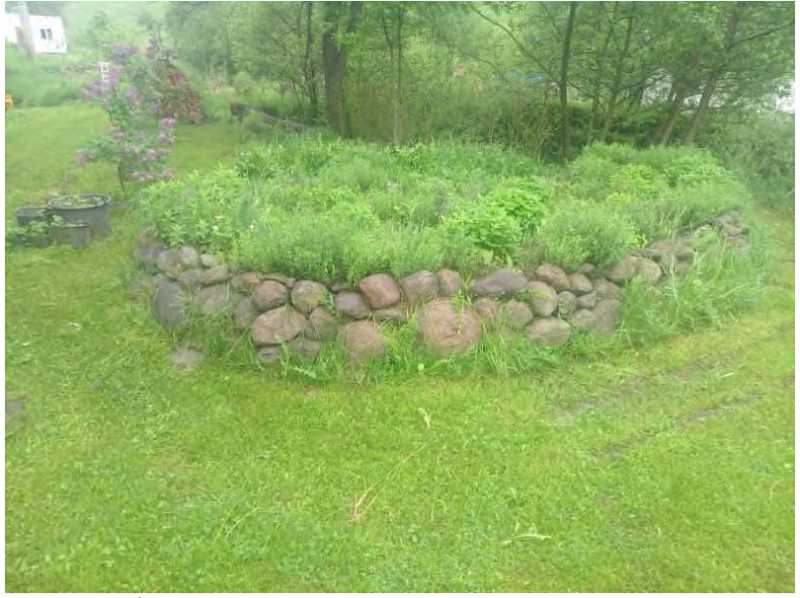
Photo credit: Karda Zoltan's personal archive
The project is linked to Greenwood After School, an ecological education centre he founded in 2019.
'Common-sense Romania starts with education - not only in school, but after-school as well. (...) We founded Greenwood After School in 2019, obtained start-up funding and organised multicultural bilingual camps, ecological education and forest-survival activities. Children came from across the country - Dobrogea, Timisoara, Iasi, Oltenia. (...) This summer we plan activities to prepare the botanical garden grounds and hope to bring in as many children as possible, from the area and from other cities, including Bucharest and Constanta. (...) Botanical gardens near cities are like a lung. I've seen their importance in many countries. Every child should leave knowing they planted something - a step toward preserving Romania's environment,' said the geographer from Covasna.
Photo credit: Karda Zoltan's personal archive
Walking through the growing oasis on the outskirts of Sfantu Gheorghe, he imagines what it might look like a century from now.
He speaks not of money, politics or technology, but of the lesson learned on his travels: civilizations vanish, flourishing cities become ruins, monuments crumble - nothing is eternal, yet life continues.
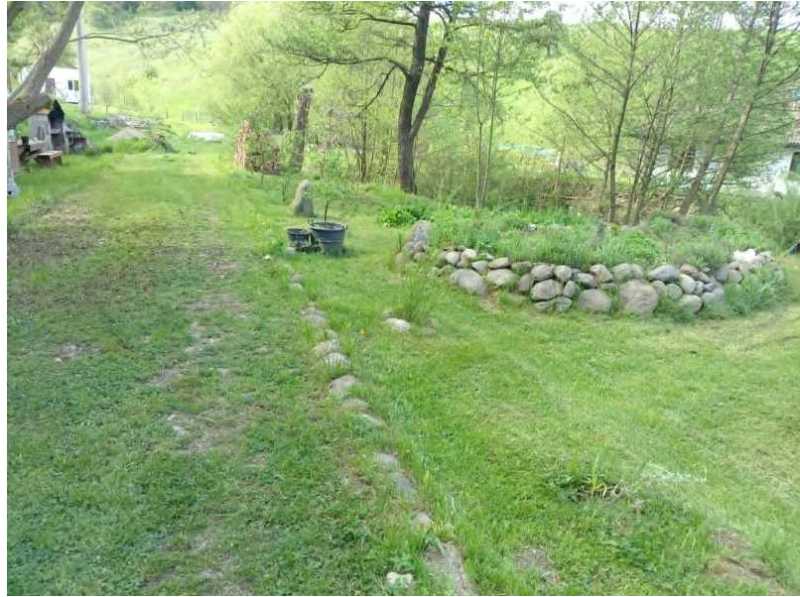
Photo credit: Karda Zoltan's personal archive
'If we manage to preserve nature, we will have a future. Plant a tree. It will keep growing long after we are gone,' urges Karda Zoltan. AGERPRES (RO - writing by: Oana Malina Negrea; EN - writing by: Simona Klodnischi)
Display count: 476- Category: English
- Date: 2026-07-10 17:01:27
- Foto: Karda Zoltan / Facebook