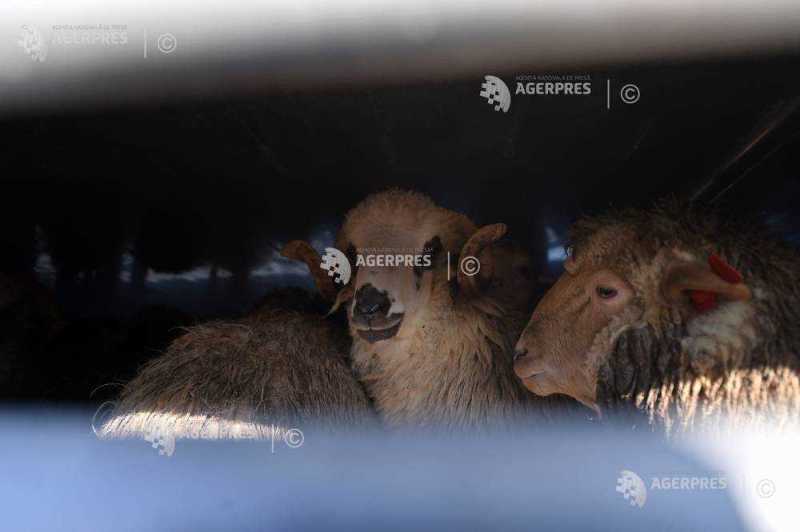

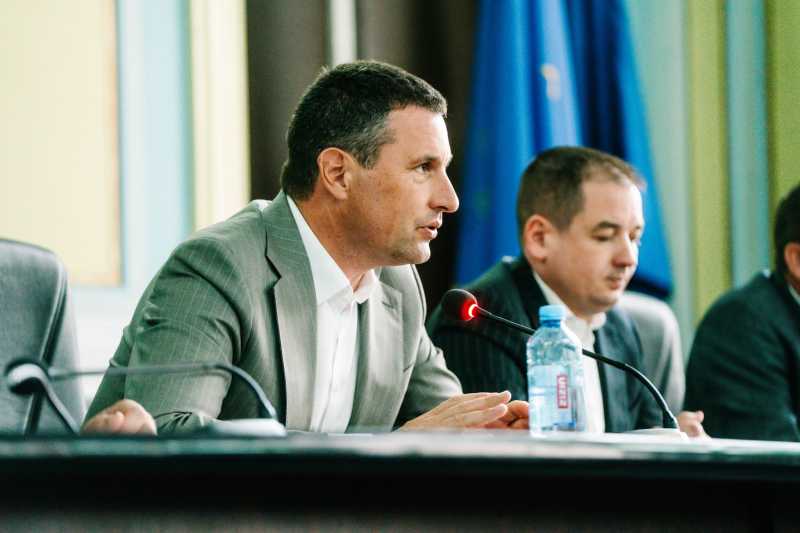
Romania must maintain its position as the European Union's largest exporter of sheep; authorities have taken measures to keep the epidemiological situation under control and are working on solutions to lift the export bans imposed by the European Commission, Interim Agriculture Minister Tanczos Barna announced on Thursday.
He met with representatives of sheep farmers in Brasov and explained that the authorities' goal is to find a compromise that harmonizes the very strict EU-level regulations with the specific nature and traditions of Romanian sheep farming—a model unlike any other in Europe.
'Romania must maintain its position as the European Union's largest exporter of sheep—a status earned through years of hard work and effort by those active in the sector. We have taken measures to keep the epidemiological situation under control and are working on solutions to lift the export bans imposed by the European Commission. Transparent dialogue between farmers and authorities must underpin these efforts. That is why, today, together with ANSVSA and local authorities, I met with representatives of sheep breeders in Brasov to outline our current situation and the potential next steps. Our goal is to find a compromise that harmonizes the very strict EU-wide regulations with the unique nature and traditions of Romanian sheep farming—a model unlike any other in Europe,' the minister wrote on his Facebook page.
He emphasized that no one is blaming the shepherds for the situation that has arisen and called on the farmers to act responsibly, urging them not to be swayed by misinformation spread on social media.
The Deputy Prime Minister reiterated that, in order to reduce the risk of disease spread while still allowing for the utilization of livestock, the National Committee for Disease Control decided to restrict the movement of sheep and goats within Romania for a period of 30 days, permitting only direct transport from farms or collection centers to slaughterhouses.
'At the same time, bilateral agreements are being renegotiated to allow for the continued export of live animals and carcasses to Middle Eastern countries, and we are continuing our dialogue with the European Commission to determine the most favorable path forward for Romania's sheep sector,' Tanczos Barna added.
The National Sanitary Veterinary and Food Safety Authority (ANSVSA) has imposed a 30-day domestic quarantine for sheep and goats as part of the national plan of urgent, integrated measures to contain and combat Peste des Petits Ruminants (PPR) and African Swine Fever (ASF).
According to a press release from the institution sent to AGERPRES on Wednesday, the decision aims to rapidly isolate the virus's transmission routes, given that it loses its contagiousness within 21 days.
The authorities strongly urge all livestock farmers to strictly observe biosecurity rules and to immediately report any signs of illness or animal mortality to veterinarians.
According to the ANSVSA, these measures follow the confirmed presence of the Peste des Petits Ruminants (PPR) virus in sheep at a holding in Mures County—a serious epidemiological situation coinciding with ongoing outbreaks of African Swine Fever (ASF). AGERPRES (RO - writing by: Andreea Marinescu; EN - writing by: Catalin Cristian Trandafir)
- Category: English
- Date: 2026-07-09 19:00:59
- Foto: Tánczos Barna / Facebook