
The Vegetal Genetic Resources Bank (BRGV) in Buzau warns that valuable native medicinal plants could disappear following the introduction of new genomic techniques (NGTs), while the Planta Romanica Employers' Association highlights increased toxicological risks, changes to therapeutic properties and the danger of genetic uniformity affecting the country's herbal medicine sector.
On 17 June, the European Parliament approved the agreement on plants obtained through NGTs, marking the final step in adopting the new legislation proposed by the European Commission in 2023.
According to specialists, the agreement has significant implications for agriculture. The BRGV in Buzau stressed that although plants developed through biotechnology may offer benefits, including greater resilience to climate change and reduced need for fertilisers and pesticides, there are no long-term studies on their impact on the environment and native species.
'We are talking about organisms modified through modern biotechnology methods and, once introduced into nature, they affect the entire plant world because they can create imbalances and become invasive. Native plants are affected through pollination because, in practice, pollination causes indigenous genetic resources to lose their identity and may result in new plants with different characteristics. There are no long-term impact studies, which is why I say we do not yet have the test of time. Organisms obtained through such procedures, whether we are talking about NGTs or genetically modified organisms, may bring hope to growers and farmers because they may be more resilient and productive, but we do not have robust impact studies showing what happens once they are introduced into the environment over time,' BRGV Director Costel Vanatoru told AGERPRES.
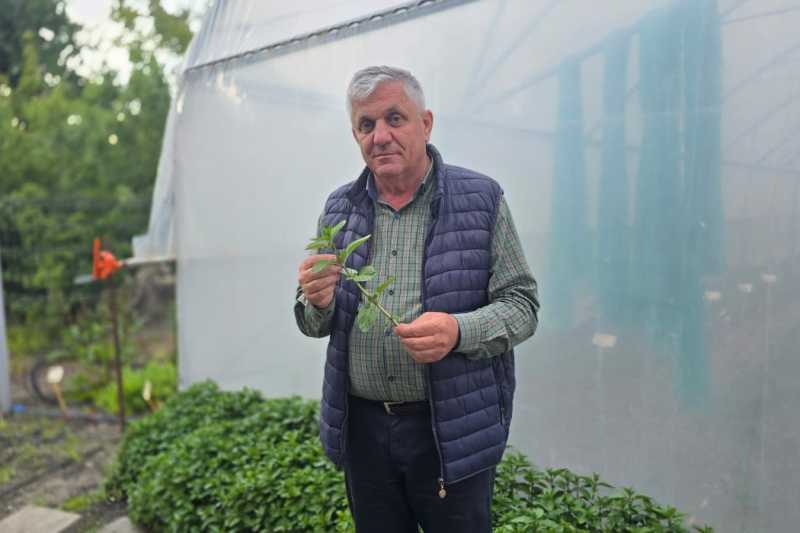
Photo: (c) Florin Zafiu / AGERPRES
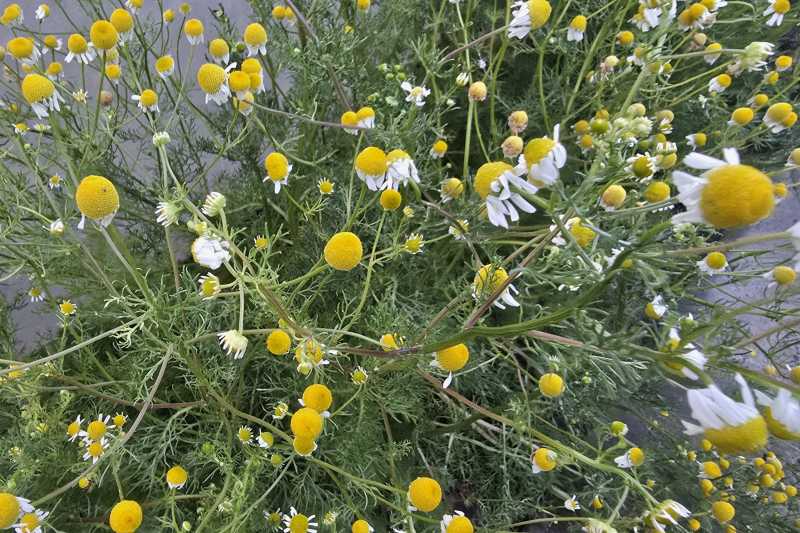
The BRGV has a portfolio of more than 20,000 plant varieties, primarily vegetables, flower species and aromatic and medicinal plants.
Representatives of the institution warned that the introduction of NGTs could affect one of Romania's traditional sectors and an area of particular importance, namely the pharmaceutical industry.
'We have more than 200 species of aromatic and medicinal plants, most of them native wild species, alongside cultivated plants. We have brought many varieties of medicinal and aromatic plants from the wild and are trying to preserve and conserve them, in keeping with the role of our gene bank, over the medium and long term. We are studying some of them biochemically in our laboratory and assessing how others perform in cultivation. These are valuable plants for culinary use, they include nectar-producing species that provide pollen for bees and, last but not least, we know that more than 8,000 medicines contain active substances derived from these plants. It would be a pity to lose this treasure before thoroughly assessing whether the introduction of plants obtained through targeted mutagenesis is justified,' Vanatoru said.
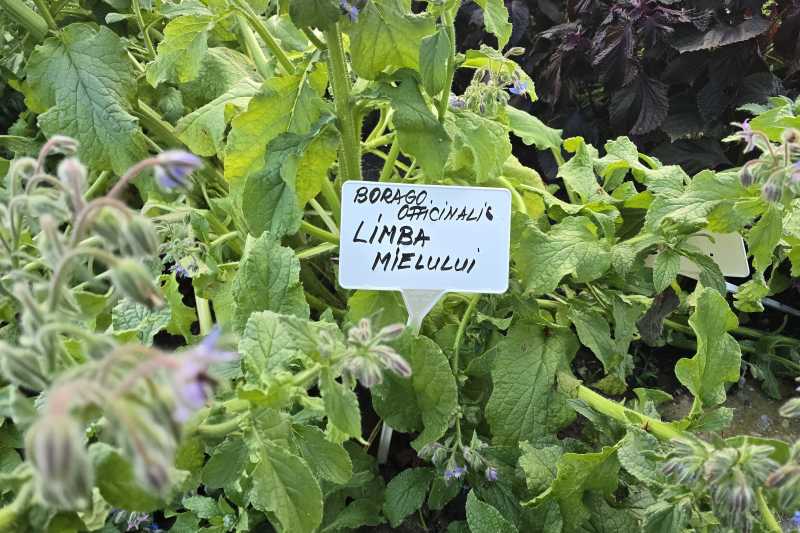
Photo: (c) Florin Zafiu / AGERPRES
He added that Romania has the potential to become one of the world's largest tea producers if it develops its aromatic and medicinal plant industry.
'Romania should have become one of the world's largest herbal infusion producers because we have these natural resources and we should develop this industry by protecting these plants and giving them special attention. It could become a valuable niche for Romanian agriculture if we focused on developing aromatic and medicinal plants. In the past, Romania generated substantial export revenue from medicinal plant extracts and raw medicinal plants,' the researcher added.
A number of plants with proven medicinal properties have already disappeared or are becoming increasingly rare in the wild.
Climate factors have contributed to the shrinking of the areas where they can be found and the introduction of new plant varieties could further affect them through genetic contamination.
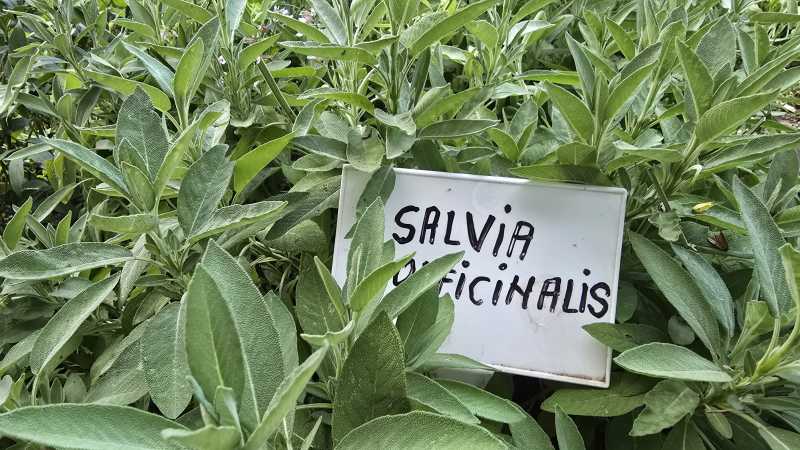
Photo: (c) Florin Zafiu / AGERPRES
Specialists also warned that European regulatory authorities treated medicinal and aromatic plants in the same way as agricultural crops when deciding to introduce NGTs into agriculture.
Beyond the active compounds used for purposes other than food, the new technologies could alter the composition, profile and effectiveness of medicinal plants.
President of the Planta Romanica Employers' Association Anca Daniela Raiciu said that 'a genetic modification may increase the concentration of one metabolite, reduce another, alter the balance of active substances, change bioavailability, increase toxicological risk and modify the pharmacological effect.'
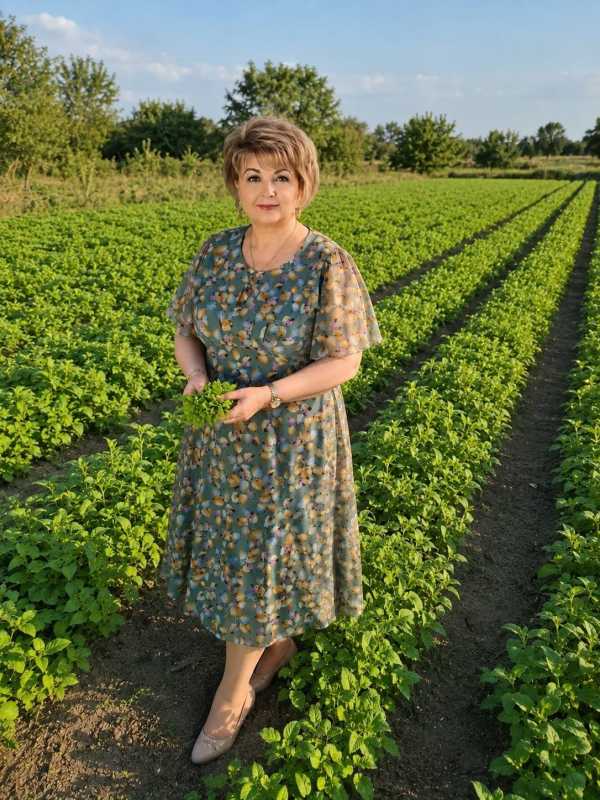
Photo source: Anca Daniela Raiciu
She said the association's position was not anti-scientific, stressing that public consultation, toxicological assessment and discussions on traceability and labelling should have taken place before such measures were promoted and approved.
'For Romania, the biodiversity of medicinal plants is a strategic resource and should not be sacrificed for market-driven genetic uniformity. It poses a risk to organic agriculture and is also a major economic issue because farmers become dependent on patented seeds. If genetic material is patented, small producers will be excluded. Public research could become dependent on licences and biodiversity will be controlled by large companies,' Anca Daniela Raiciu said.
Against this backdrop, specialists at both national and European level will seek measures to protect biodiversity and product safety while safeguarding the interests of growers and the national research sector.
According to the European Commission, the new legislation distinguishes between two categories of NGT plants. Category 1 NGT plants are those that could also occur naturally or through conventional breeding. They will be subject to a verification procedure and treated as conventional plants, exempt from legislation governing genetically modified organisms. Category 2 NGT plants are those with more complex modifications and will remain subject to the risk assessment and authorisation procedures laid down in GMO legislation, as well as traceability and labelling requirements. AGERPRES (RO - writing by: Florin Zafiu; EN - writing by: Adina Panaitescu)
- Category: English
- Date: 2026-07-06 11:30:17
- Foto: Florin Zafiu / AGERPRES