

The Universal Day of the Romanian Blouse is an opportunity to celebrate the creativity, diligence and craftsmanship of the women who have created and passed down through generations the traditions associated with making the ie with alti?a, from weaving the fabric to tailoring the garment and selecting its distinctive ornaments, the Culture Ministry said on Wednesday.
'On Romanian Blouse Day, the Culture Ministry expresses its gratitude to all those who contribute to preserving and promoting Romania's intangible cultural heritage. Its true value lies not only in the objects themselves, held in museum collections in Romania and abroad, but above all in the knowledge, techniques and talent of the people who bring them to life and pass them on,' the ministry said in a statement posted on Facebook.
Romanian Blouse Day is celebrated annually on June 24 and was officially recognised through Law No. 184/2022, following nearly a decade during which the occasion had been marked at the initiative of Romanian diaspora communities and promoters of Romanian cultural identity worldwide.
International recognition of these practices culminated in the inscription of the multinational file 'The Art of the Blouse with Altita - an Element of Cultural Identity in Romania and the Republic of Moldova' on UNESCO's Representative List of the Intangible Cultural Heritage of Humanity on December 1, 2022, in Rabat, Morocco. The file was prepared by experts under the coordination of Romania's Culture Ministry in cooperation with the Culture Ministry of the Republic of Moldova.
The blouse with altita (the decorative shoulder panel of the traditional Romanian blouse, Editor's note), the central piece of traditional women's costume, continues to be worn today during religious celebrations, family ceremonies and cultural and community events. Known by various local names, including ciupag (traditional embroidered blouse), spacel (short traditional blouse), manecar (blouse distinguished by its ornate sleeves), camasa rasucita (twisted-cut shirt) and camesa cu lancez (traditional shirt with decorative side inserts), it reflects the cultural diversity of the regions where it is made while preserving a common structure and identity function linked to its distinctive cut and rich ornamentation.
According to the ministry, Romania also celebrates Sanziene on June 24, one of the most important festivals in the traditional Romanian calendar. In 2021, 'Cultural Practices Associated with June 24 - Sanziene and Dragaica' were included in the National Inventory of Intangible Cultural Heritage as an expression of the relationship between human communities and nature at the beginning of summer.
The Ministry of Culture continues to implement and monitor the safeguarding measures undertaken through the UNESCO file, in partnership with practitioners' communities, museums, academia and cultural organisations.
'These efforts aim to support the transmission of traditional craftsmanship, the continued documentation and research of the element, the promotion of authentic practices and support for the women artisans who keep this heritage alive,' the ministry added. AGERPRES (RO - writing by: Daniel Popescu; EN - writing by: Simona Iacob)
Romanian Blouse Day/Culture Ministry: Celebration of women who passed down altita blouse craftsmanship

Conţinutul website-ului www.agerpres.ro este destinat exclusiv informării publice. Toate informaţiile publicate pe acest site de către AGERPRES sunt protejate de dispoziţiile legale incidente. Sunt interzise copierea, reproducerea, recompilarea, modificarea, precum şi orice modalitate de exploatare a conţinutului acestui website. Informaţiile transmise pe www.agerpres.ro pot fi preluate, în conformitate cu legislaţia aplicabilă, în limita a 500 de semne. Detalii în secţiunea Condiţii de utilizare. Dacă sunteţi interesaţi de preluarea ştirilor AGERPRES, vă rugăm să contactaţi Direcţia Marketing - marketing@agerpres.ro.
Alte știri din categorie

President Dan says Foreign Ministry investigating Orlivka school case
President Nicusor Dan said on Friday that Romania's Foreign Ministry has opened an investigation into the case of the school in Orlivka, Odesa region, where a Year 1 class taught in Romanian was closed. Speaking at a news conference held after the Carpathian Integration Initiative 'Carpathian 8' Summit, he said that 'remarkable progress has bee

Bolojan: We will try, within our possibilities and depending on our electoral weight, to form a Government
President of the National Liberal Party (PNL) Ilie Bolojan said on Friday that, although Siegfried Muresan's nomination for prime minister came three months late, the party would deal with the situation 'responsibly' and seek to form a Government based on its electoral weight. 'Yesterday, about 30 minutes beforehand, I learned from the piece of

Siegfried Muresan: We will start work on a government programme; beginning of next week - discussion with MPs
Prime Minister-designate Siegfried Muresan announced on Friday that he was starting work on the government programme together with the National Liberal Party (PNL), Save Romania Union (USR) and the Hungarian Democratic Union of Romania (UDMR), mentioning that he would present the priorities at the beginning of next week and, based on these, would hold an "extremely tran

CCIR's Daraban: The diaspora is not a sentimental issue but a chapter in the national economy
The experience gained by Romanians in the diaspora in competitive markets must be transformed into investment, jobs and exports, believes Mihai Daraban, President of the Chamber of Commerce and Industry of Romania (CCIR). According to a press release from the organisation sent to AGERPRES, the institution is strengthening its partnership with ROUNIT - Reunited
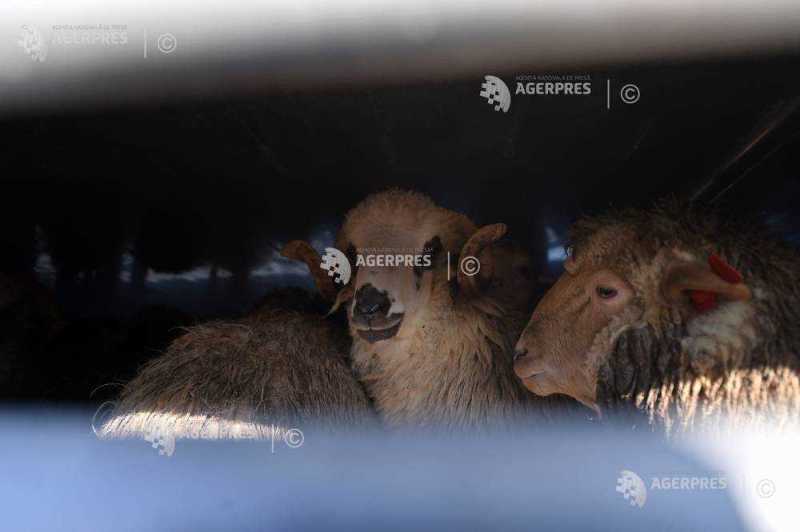
European Commission approves ANSVSA's Action Plan to unblock sheep and goat exports
The Action Plan of the National Veterinary Sanitary and Food Safety Authority (ANSVSA) for unblocking exports of sheep and goats has been approved by the European Commission, allowing exports of carcasses and products to resume under the differentiated vaccination scheme. According to an ANSVSA release sent to AGERPRES on Friday, the approved solution protects
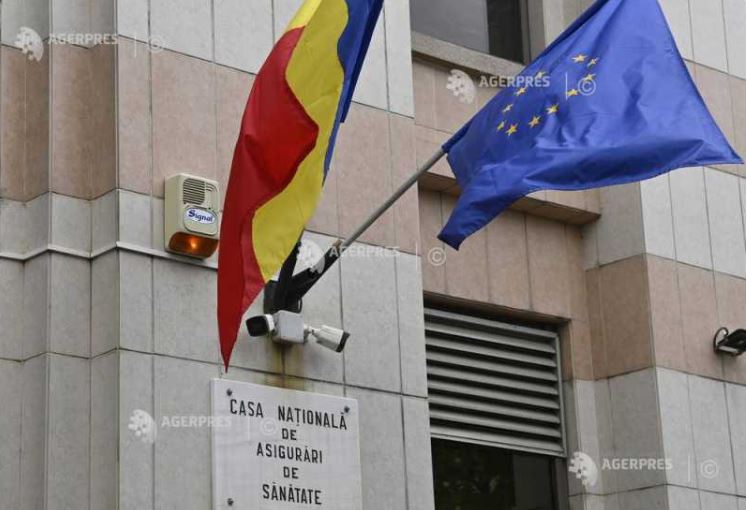
Health Insurance House launches project on cross-border exchange of medical images, laboratory results, discharge reports
The National Health Insurance House (CNAS) announced on Friday the launch of the European project 'Romanian Medical Images, Laboratory Results and Discharge Reports' (RO-MI-LR-DR), for the cross-border exchange of medical images, laboratory results and discharge reports. The project is funded through the EU4Health programme, with the European Health an
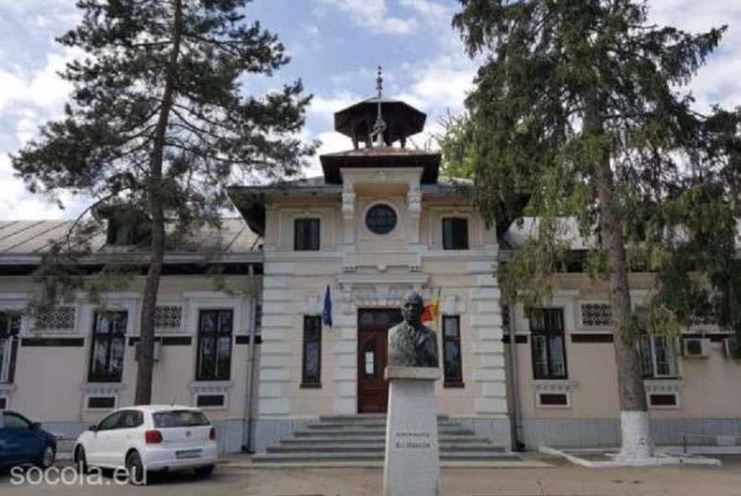
'Socola' Institute of Psychiatry in Iasi to hold new memory testing campaign at weekend
The 'Socola' Institute of Psychiatry in Iasi has announced that it will hold the third edition of its 'Memory Testing Campaign' on Saturday and Sunday, a campaign addressing people of all ages and aimed to identify individual risk factors that may predispose people to memory disorders, while also providing participants with specialist counselling.
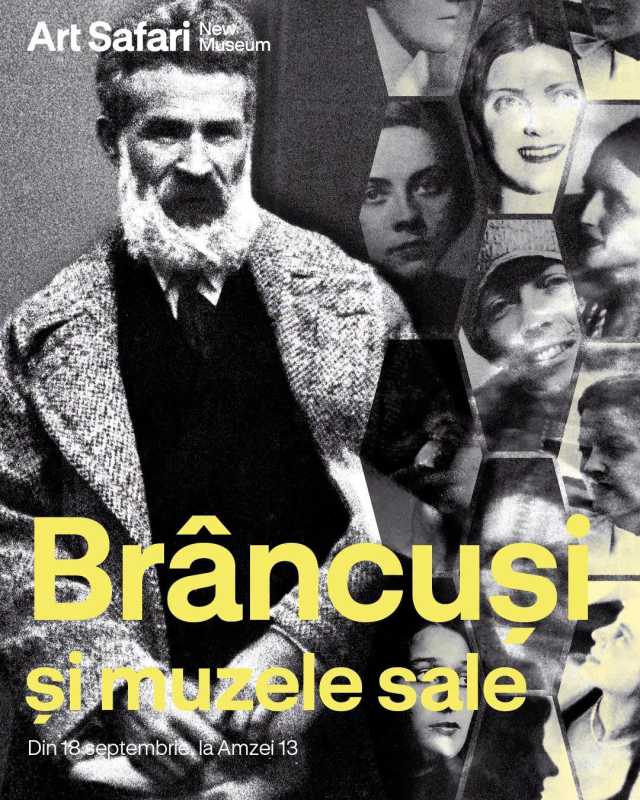
'Brancusi and His Muses' exhibition opens at Art Safari
'Brancusi and His Muses', the largest exhibition dedicated to the great sculptor to be held in Romania during Brancusi Year, opened on Thursday evening at the Art Safari New Museum. Curator Doina Lemny said she wanted the initiative to be different, allowing the public to enter the artist's studio atmosphere. 'It is true that Brancusi's wor