
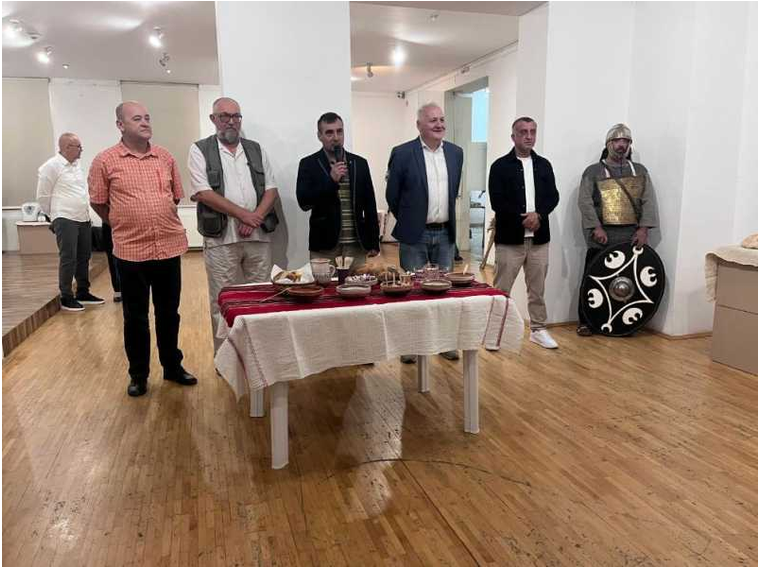
An exhibition centered on bread, which invites visitors to discover Dacian civilization from a fresh perspective, beyond the established warrior image, opened on Thursday at the 'Aurelian Sacerdoteanu' County Museum in Valcea.
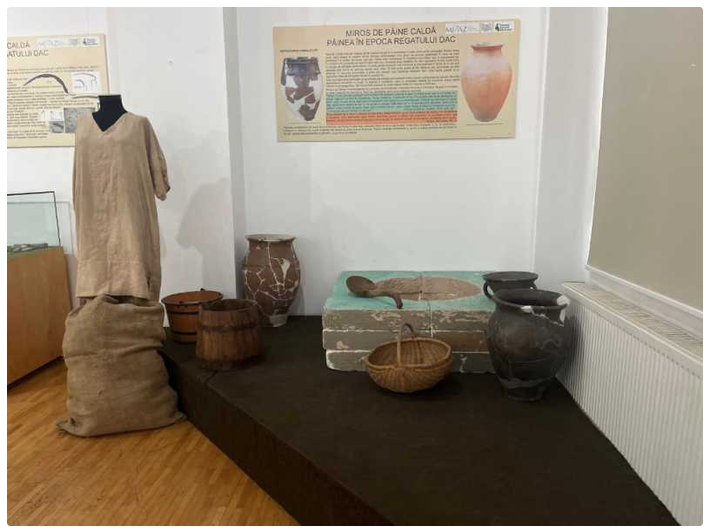
Mounted in partnership with the Zalau County Museum of History and Art and the Museum of Dacian and Roman Civilization in Deva, the exhibition presents artifacts and data that take the public on a journey through the stages of bread's evolution: from the crafting of specialized tools, soil preparation, grain cultivation, harvesting, storage, and wheat milling, to the kneading, baking, and consumption of this staple food.
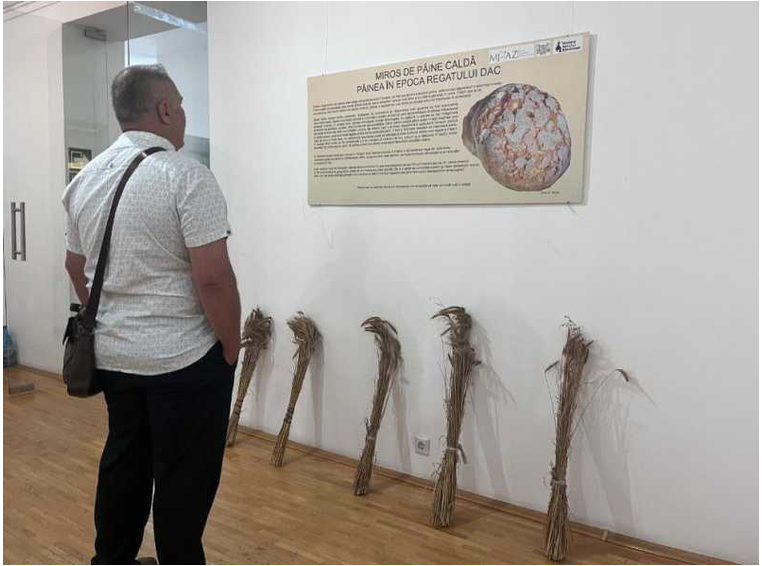
According to the organizers, visitors are essentially invited to look beyond the display cases and imaginatively reconstruct a living world, drawing upon scientific information gathered over time and archaeological discoveries.
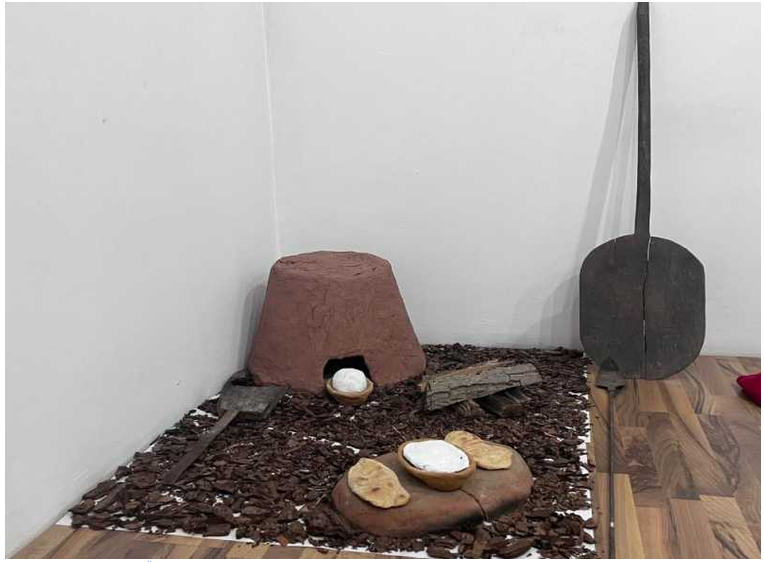
'It is no easy undertaking. We tried to capture every stage, step by step. To begin with, we explored the significance of bread in human history. We traced its origins in the Near East, dating back to around 11,000 BC, and examined the various roles bread has played, whether as a staple food or a ritual offering; then, we turned our attention to the era of the Dacian Kingdom. We started from the premise that the story of bread begins not in the fields, as one might imagine, but in the blacksmith's forge, where the tools used for tilling the land, and later for the various stages of bread-making, were crafted. (...) We sought to capture an aspect of daily life, because everyone knows the Dacians primarily as warriors. But what did they do when they weren't at war? They surely loved, quarreled, reconciled, and perhaps even hated one another. They were ordinary people, just like us, and that is how we should view them. And now, we are revealing to you what might be called the soul of Dacian civilization,' explained Dr. Iosif Vasile Ferencz, a researcher at the Museum of Dacian and Roman Civilization in Deva.
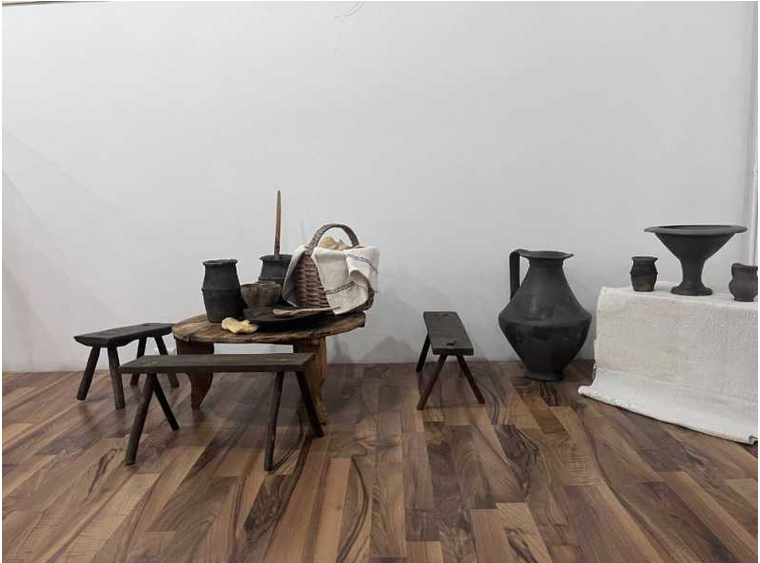
The exhibition also has an educational dimension, being accessible to school groups; students can find explanations of complex historical concepts on the panels accompanying the artifacts, thereby gaining a better understanding of the material covered in their classes.
In addition to the items provided by the two organizing museums, the exhibition features artifacts discovered at local archaeological sites; furthermore, visitors have the opportunity to explore the Valcea County Museum's permanent archaeology exhibition, which houses a substantial collection of Dacian-era objects, particularly from the Buridava fortress at Ocnele Mari.
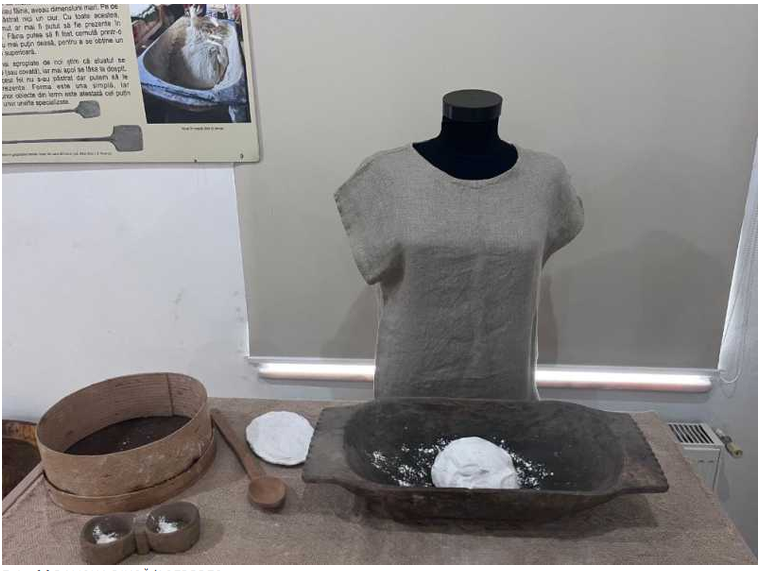
'This exhibition has been a genuine success. So far, it has been presented at eight other museums in Romania and three additional locations in Bessarabia. The exhibition's success stems from its educational approach, offering children a real learning opportunity. Visitors can observe the entire bread-making process, from the crafting of tools used to harvest wheat to the creation of the finished product: our daily bread. We have also contributed items to the exhibition; they account for about 20% of the displays. Many of these pieces come from the Vâlcea Village Museum, as numerous Dacian tools remained in use almost up to the present day, having been passed down from generation to generation and era to era,' stated archaeologist Ion Tutulescu, curator of the exhibition in Ramnicu Valcea and head of the History Department at the Valcea County Museum.
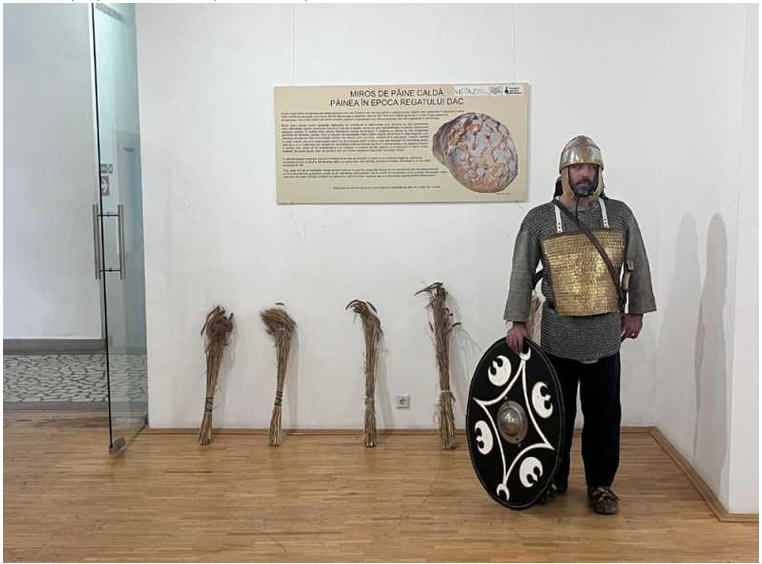
The exhibition 'The Scent of Warm Bread: Bread in the Era of the Dacian Kingdom' at the Valcea County Museum is open to visitors daily until November 20. AGERPRES(RO - writing by: Ramona Dinca; EN - writing by: Bogdan Gabaroi)
- Category: English
- Date: 2026-10-01 20:03:32
- Foto: Ramona DINCA / AGERPRES