

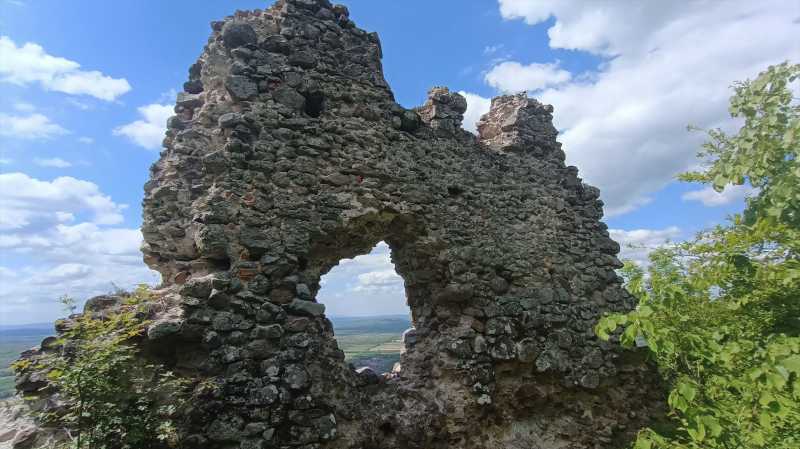
The ruins of Dezna Fortress have become a magnet for adventure tourism in recent years, following the development of the county's first certified via ferrata route, with thousands of adrenaline enthusiasts, many from abroad, coming to climb the cliffs beneath the historical monument.
Opened four years ago on the cliffs of Osoiu Hill, the route is fully equipped with metal safety cables and a suspended Indian bridge.
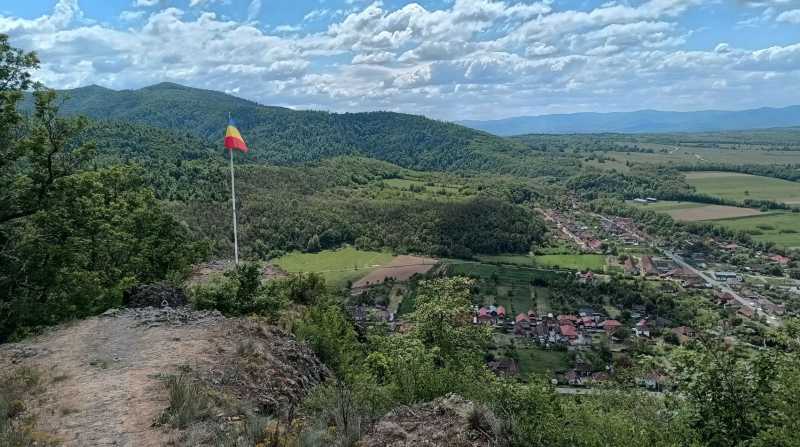
The development of this mountain infrastructure, unique in Arad County, was made possible with the support of specialist associations and local authorities, with the aim of revitalising tourism in the area and showcasing the historical monument, which is of national importance.
Dezna Mayor Ionica Marcel Lucoaie told AGERPRES on Thursday that tourism in the area has 'at least doubled' in recent years and that many foreigners are now coming to climb the cliffs.
'We have thousands of visitors to the fortress ruins every year, but what we have noticed is that many foreigners come, especially at weekends. In the car park at the foot of the hill, where we modernised the tourist shelter and the bridge this year, we see cars with Polish, German and Hungarian number plates. Many adrenaline enthusiasts also come from all over Romania, because this via ferrata route is unique in the county and complies with industry standards,' the mayor said.
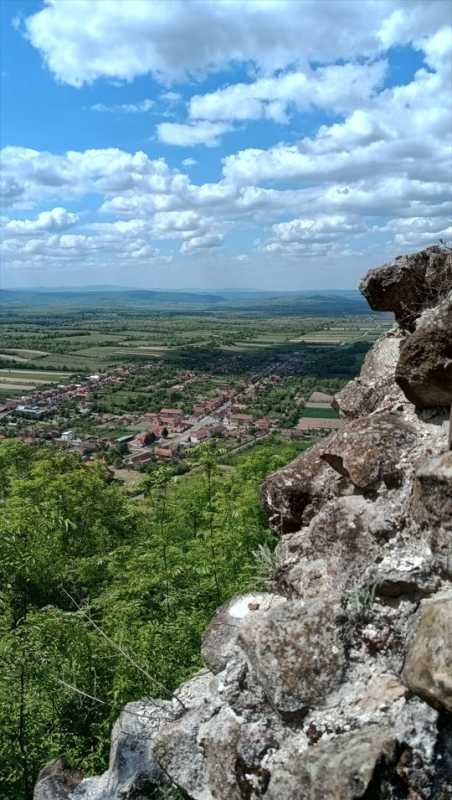
The increased interest in the facilities that have been developed is prompting the local authorities to create a new hiking and mountain-biking route linking the fortress hill with the resort of Moneasa.
'It is about five kilometres through the forest, along the hilltops, to Moneasa. We have already spoken to the mayor there about creating a route that will connect us. The work will involve minimal tree clearance and facilities specific to mountain tourism,' the mayor said.
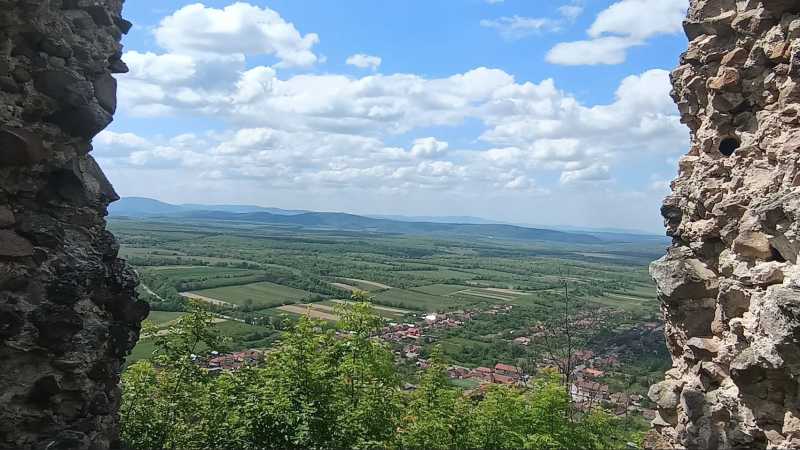
At the same time, Dezna Town Hall is considering installing an architectural lighting system to highlight the fortress ruins, making them visible from the road at night.
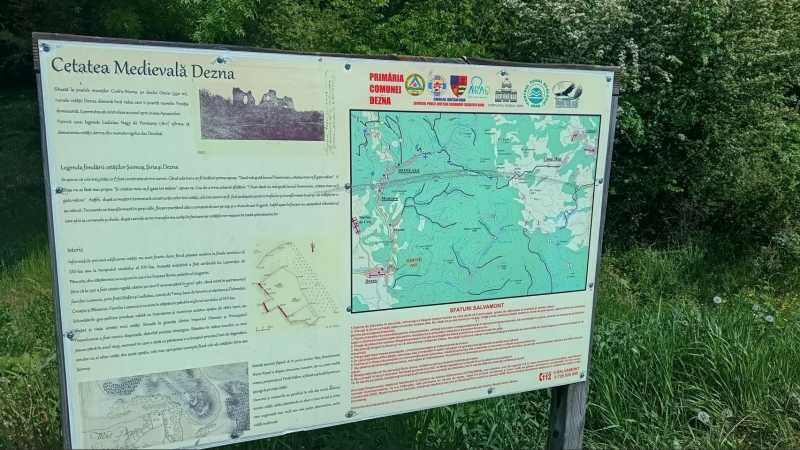
According to the tourist information board in the area, the construction of Dezna Fortress took place 'sometime at the end of the 13th century or the beginning of the 14th century', and in 1317 it became a royal fortress, a status it retained until 1387. In the middle of the 16th century, geopolitical changes resulting from the Turks' advance and conquest of the area changed the fortress's fate.
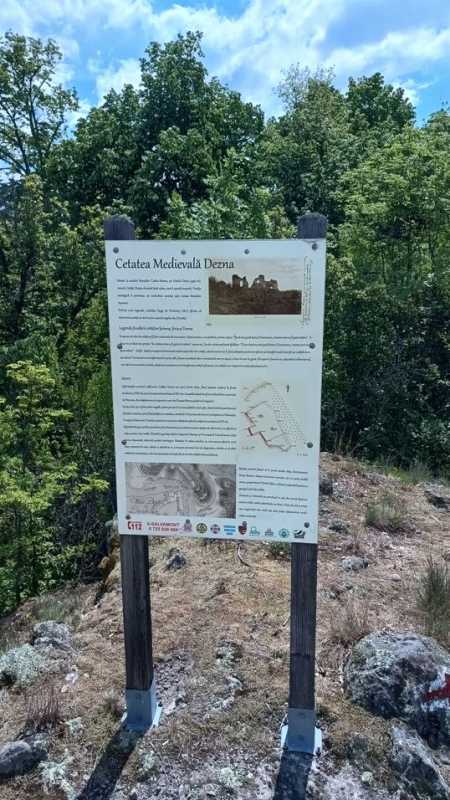
'Located on the border between the Ottoman Empire and the Principality of Transylvania, it was constantly disputed because of its strategic position. It remained in Turkish hands, with brief interruptions, until 1693, when its abandonment marked the beginning of a slow process of deterioration, similar to that experienced by other fortresses in this area, the closest examples being the fortresses of Siria and Soimos,' the tourist information board reads. AGERPRES (RO - writing by: Marian Buga; EN - writing by: Adina Panaitescu)
Photos: Marian Buga / AGERPRES
Display count: 95- Category: English
- Date: 2026-10-08 13:09:45
- Foto: Marian Buga / AGERPRES